
1
WDM LAN Optical Backbone Networks
and Standards for Aerospace
Applications
FiberFest 2009 Symposium – May 11, 2009
Sarry Habiby
Telcordia
shabiby@telcordia.com
Some of the results reported here pertain to a program
sponsored by: Defense Advanced Research Projects Agency
Advanced Technology Office (ATO)
RONIA Program: WDM Networks in Avionics Platform
ARPA Order No. V202/00
Issued by DARPA/CMO under Contract HR0011-07-C-0028
DISTRIBUTION STATEMENT A: Approved for Public Release, Distribution Unlimited

Outline
Motivation for Optical Networks in aircraft applications
Results of DARPA RONIA project
Current practice limitations
Drivers for advances in networking solutions for data
communications on-board aircraft
Vision for a future-proof optical network infrastructure: WDM LAN
Technology and network challenges (network architecture &
management) to achieve WDM Optical Backbone Network (OBN)
Opportunities for fiber optics and WDM in aircraft platforms.
Goal: enable design & implementation of fiber-based WDM LAN
using standards that facilitate flexible, high bandwidth, low cost &
low weight communications on aircraft platforms spanning military,
commercial applications
WDM OBN in aerospace applications:
Optical Fiber and WDM technology challenges: meeting SWAP-c
metrics & ability to withstand stringent environmental requirements
Review status of Standards development within WDM LAN Task
Group of the Society of Automotive Engineering (SAE)
2

3
Goal: Avionic Networks with New Attributes
Transparent, High Bandwidth: Support of heterogeneous legacy
(analog or multiple digital formats) & new high-bandwidth signals
Scalable and Secure: Scalable, reconfigurable, future proof
and secure aircraft backbone network
Significantly reduce new application introduction timeline (e.g.
for new sensors, antennae, and radios)
Physical layer supports multiple independent levels of security (MILS)
Flexible Networking: Network with simple control & management
functions – easy to use and upgrade
Streamline configuration provisioning (auto-discovery) for existing &
new network links
Upgrade network for anticipated and unanticipated future capability
without having to tear apart the airframe infrastructure
Fault Tolerant: Optical network redundancy and diversity
Reduce SWAP: Compact, reliable, low power and low cost
4
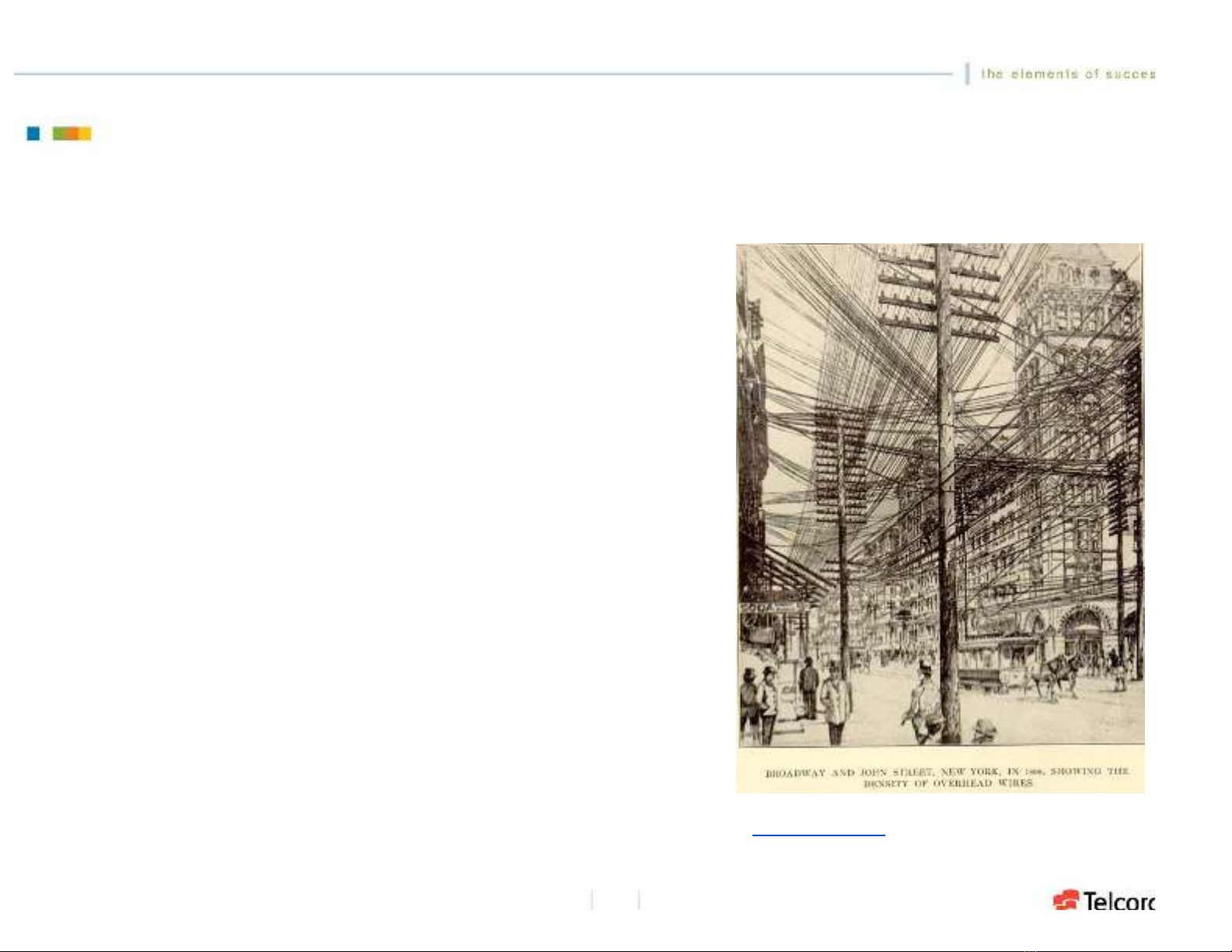
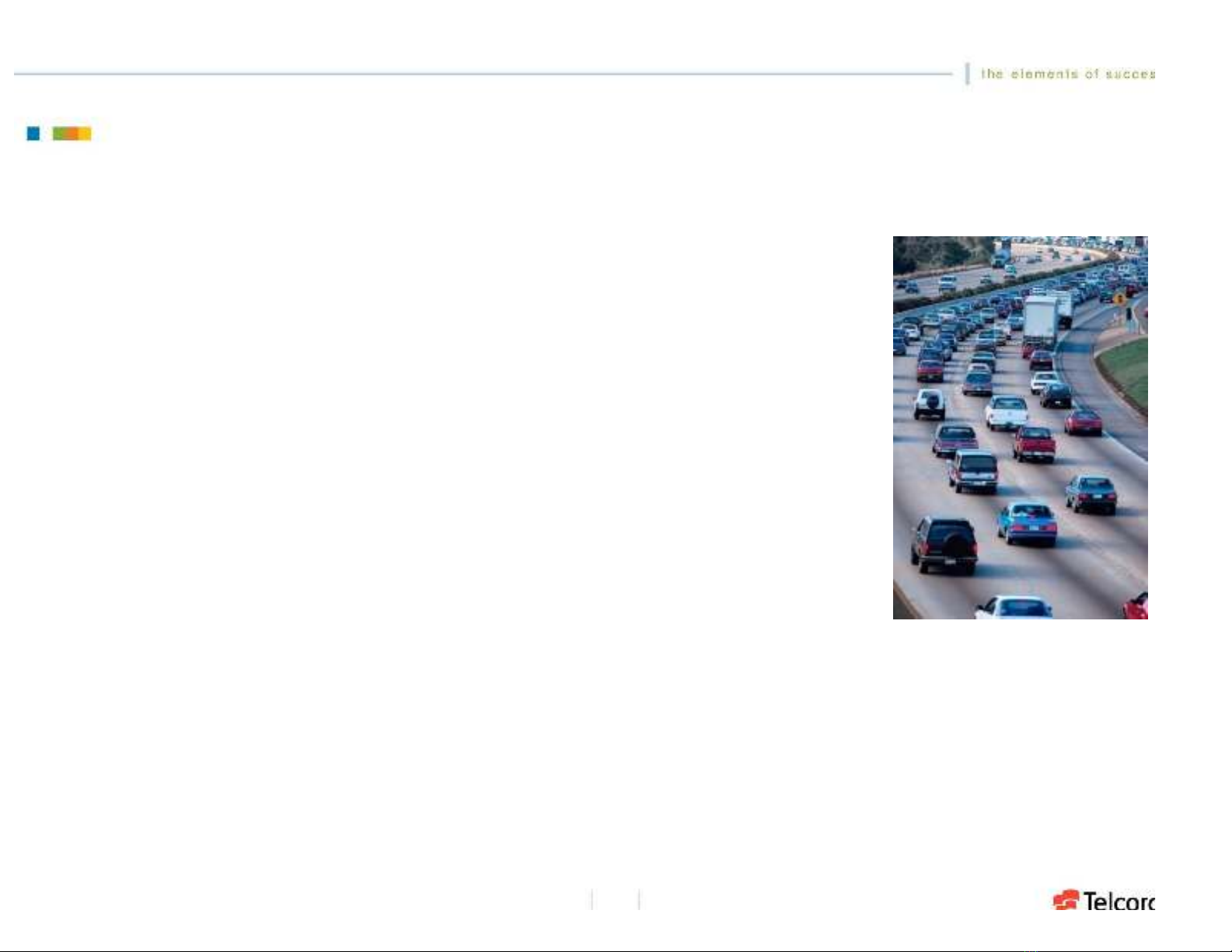
The challenge: increasing communications needs
on a finite platform
The need for communications is growing
rapidly
More sources
Higher bandwidth
Incompatible formats
Need to support legacy signals
In avionics, we have a platform that can
support only limited
Size
Weight
Power demands
There are other specialized
requirements
Environmental --reliability
Security
Growth without replacing infrastructure
Ease of maintenance
The challenge is not new!
thanks to :
Janet Jackel, Ted Woodward
Ravi Vaidyanathan
Haim Kobrinski
5
We can learn from Telecom solutions, without
replicating them
Optical fiber provides increased bandwidth
Optical fiber can also help with size/weight/power
limitations
Fiber is immune to EMI, HPM
Fiber supports WDM
WDM for even more bandwidth & flexibility in
its use
Different wavelengths don’t interact*
Different wavelengths can carry different data
rates, formats ….
WDM networking for even greater flexibility,
survivability, ability to add applications * To first order
![Câu hỏi trắc nghiệm Mạng máy tính: Tổng hợp [mới nhất]](https://cdn.tailieu.vn/images/document/thumbnail/2025/20251001/kimphuong1001/135x160/15231759305303.jpg)






![Giáo trình Triển khai hệ thống mạng Trường Cao đẳng nghề Số 20 [Mới nhất]](https://cdn.tailieu.vn/images/document/thumbnail/2024/20240830/xuanphongdacy04/135x160/177320125.jpg)









![Đề thi cuối kì Nhập môn Mạng máy tính: Tổng hợp [Năm]](https://cdn.tailieu.vn/images/document/thumbnail/2025/20251110/nminhthoi53@gmail.com/135x160/38281762757217.jpg)



![Đề thi học kì 2 môn Nhập môn Mạng máy tính [kèm đáp án]](https://cdn.tailieu.vn/images/document/thumbnail/2025/20251014/lakim0906/135x160/23811760416180.jpg)