

SEE PROFILE
See discussions, stats, and author profiles for this publication at: https://www.researchgate.net/publication/220295308
Mobile Phone Forensic Analysis
Article
in International Journal of Digital Crime and Forensics · July 2010
DOI: 10.4018/jdcf.2010070102 · Source: DBLP
CITATIONS
48
READS
29,238
4 authors
, including:
Kevin Curran
University of Ulster
593
PUBLICATIONS
8,789
CITATIONS
All content following this page was uploaded by Kevin Curran on 20 December 2016.
The user has requested enhancement of the downloaded file.

Please reference as : Curran, K., Robinson, A., Peacocke, S., Cassidy, S. (2010) Mobile Phone Forensic Analysis,
International Journal of Digital Crime and Forensics, Vol. 2, No. 2, pp:, April-May 2010, ISSN: 1941-6210, IGI Pub
Mobile Phone Forensic Analysis
Kevin Curran*, Andrew Robinson, Stephen Peacocke, Sean Cassidy
Intelligent Systems Research Centre
Faculty of Computing and Engineering, University of Ulster, Northern Ireland, UK
Email: kj.curran@ulster.ac.uk
Abstract
Recent technological advances in mobile phones and the development of smart phones has led to increased use and
dependence on the mobile phone. The explosion of its use has led to problems such as fraud, criminal use and
identity theft which have led to the need for mobile phone forensic analysis. This paper discusses mobile phone
forensic analysis, what it means, who avails of it and the software tools used.
Keywords: mobile phone forensics, digital forensic analysis, forensic examination, security
1
Introduction
Forensic Science is the use of forensic techniques and values to provide evidence to legal or related investigations
(Jansen, 2008). Issues such as deoxyribonucleic acid (DNA) typing or the identification of drugs are obvious topics
within this field. These involve the use of specialised scientific apparatus. Mobile phone forensic analysis is the
science of recovering digital evidence from a mobile phone under forensically sound conditions using accepted
methods. Digital forensics has grown rapidly due in part to the increase in mobile devices (Harrill, 2007). The phone
no longer simply connects us vocally with another, instead it stores our activities, dates, private numbers,
experiences – written, visual or audio-visual; and it allows access to the internet where we send private and public
messages. We no longer laugh, cry and love face to face; instead, all is recorded on our ‘Smartphone’. As we
transfer our experiences from the active, interpersonal world, to the digital; nothing remains private. Whispered
conversations, clandestine notes, and mental images are transferred and recorded by phone instead. Although it may
defy the ICT novice, deletion has never really meant deletion. Forensic investigators commonly start with phone
numbers dialled, answered, received or missed; stored phone numbers of people whom the mobile phone user may
know and text messages sent, received or deleted (Punja, 2008). Mobile phone capabilities increase in performance,
storage capacity and multimedia functionality turning phones into data reservoirs that can hold a broad range of
personal information. From an investigative perspective, digital evidence recovered from a cell phone can provide a
wealth of information about the user, and each technical advance in capabilities offers greater opportunity for
recovery of additional information (Jansen, 2008). Mobile phone forensics is a challenge as there is yet no de facto
mobile phone operating system.
There are two important points to remember when about to analyse a mobile phone. If the device is found switched
on, DO NOT switch it off and if the device is found switched off, DO NOT switch it on. Pay as you go mobile
phones are seen as ‘disposable’ in the criminal world. They are a means of communication that is not traceable,
because there is no signed contract with the network provider for the authorities to trace. However if the phone is
seized from the criminal then a number of forensic tests can be carried out and will reveal the entire call history and
messaging history of the criminals in question. Another place where mobile phone forensic analysis plays a very
large role is in domestic disputes. For example in the case of an abusive person who has been ordered by the court
to stay away from their spouse but returns to the family home to harass the other. Here the police can have a cell site
analysis carried out and determine where the abusive partner’s mobile phone was at the time of the alleged incident.
Mobile phone forensics can also play a vital role in road traffic collisions. The mobile phone can be taken and call
records and logs checked to see if the accused was using the phone when the accident occurred.

Please reference as : Curran, K., Robinson, A., Peacocke, S., Cassidy, S. (2010) Mobile Phone Forensic Analysis,
International Journal of Digital Crime and Forensics, Vol. 2, No. 2, pp:, April-May 2010, ISSN: 1941-6210, IGI Pub
Access to recovered information from mobile devices must be kept stable and unchanged, if it is to stand up in court.
The integrity of the recovered data must therefore be kept intact. This is a vulnerable process, but as the years pass,
advancements have been made to literally copy the information as fixed images, and thus unchanged, and
unchangeable. Data saved on phones is stored as flash electronically erasable programmable (EEPROM) read-only
memory (ROM)).
Mobile phone forensic analysis involves either manual or automatic extraction of data to be carried out by the
mobile phone forensic examiners. Automatic extraction is used when the device is compatible with one or more
pieces of forensic software and manual extraction is necessary when no compatible software is present. Automatic
reading of a SIM Card is used when the mobile phone is supported by one or more pieces of forensic software. A
manual verification is then required to confirm the extracted data is complete and correct. Manual reading of SIM
card is used when the mobile phone is not supported by any forensic software, or the support offered is limited to
such a degree that very little data is capable of being extracted. This method of analysis requires a forensics
examiner to manually traverse a handset and digitally record each of the screens. This will include the recording of
audio and videos in a format playable by the OIC. All images taken will be produced as a paper based report.
Forensic analysis of a mobile device using either manual or automatic techniques can produce some or all of the
following data: Make and model of the mobile handset; Mobile Station International Subscriber Directory Number
(MSISDN); Integrated circuit card ID (ICCID) - The SIM cards serial number service provider name (SPN);
Abbreviated dialling numbers; Last numbers received; Last numbers dialled; Missed calls; Short messages (SMS);
Calendar entries; Photographs stored in handset; Video stored in handset; Smart media/compact flash; MMS
Messages; Sim card link integrated circuit card ID (ICCID); International mobile subscriber identity (IMSI); Mobile
country code (MCC); Mobile network code (MNC); Mobile subscriber identification number (MSIN); Mobile
subscriber international ISDN number (MSISDN) and SMS messages. It is also possible to use AT on devices which
have modem support to extract information from the operating system without affecting other aspects of the system
state.
This paper is structured as follows: section 2 provides an overview of forensic guidelines drafted by the association
of chief police officers, section looks at the extraction of data from the Subscriber Identity Module (SIM) and phone,
section 4 highlights some popular mobile forensics applications and section 5 provides a conclusion.
2
Forensic Guidelines
The UK Association of Chief Police Officers (ACPO) has developed a guide for computer based electronic evidence
which contains rules for handling such evidence. The guidelines recommend that the mobile phone must be isolated
from the network by either turning the device off or placing it in a shielded secure container so that undesirable
changes do not occur, which may jeopardise important information. Delays may be encountered if personnel try to
regain access to such a device when a Personal Identification Number (PIN) is required. A shielded room should be
used for examining a mobile phone. There are portable solutions to this problem in the form of a “Faraday Tent” but
this option is less secure and cables going to and from the tent may act as aerials for the device. Devices also need to
be fully charged before any form of examination, so as to preserve any vital information found. For instance, it is
worth noting that there will be a strain on the battery, reducing power as it tries to re-connect to a local network.
The examination process needs to be well planned in order to prevent important data being lost, which may be
relevant and crucial to a court case. For example, the removal of the SIM card often requires the removal of the
battery beforehand. Therefore the date and time on the device may be lost. This would also be the case if the battery
was allowed to fully discharge its power. The insertion of a different SIM card into the device must be avoided as
such a process may result in a loss of information such as the call registers (received calls, dialled numbers, rejected
calls, missed calls). It will often be the case that manual examination will have to be carried out on such a device as
it may not be supported by analysis tools and therefore this would be the only option available for examination. This
procedure should be carried out even if the device is supported by analysis tools so as to validate results gathered
previously and ensure that the information download has completed successfully. Personnel carrying out such an
examination should familiarise themselves with that particular type of device/phone model in order that mistakes are
Please reference as : Curran, K., Robinson, A., Peacocke, S., Cassidy, S. (2010) Mobile Phone Forensic Analysis,
International Journal of Digital Crime and Forensics, Vol. 2, No. 2, pp:, April-May 2010, ISSN: 1941-6210, IGI Pub
Yes
Is expert advice available?
No
No
Is the Mobile Phone switched on?
Yes
Photograph or make note of what is on the screen
Consider consequences of switching off Mobile Phone. Record decision in
notes including time and detail of action taken including keystrokes
Submit Mobile Phone for forensic examination at earliest opportunity in accordance with
service policy, to prevent data loss due to discharged batteries.
Seize, seal and label all accessories associated Phone items such as: data &
leads, cradles, expansion cards, cases (which may contain aerials/leads)
Carefully package, seal and label the Mobile Phone so that accidental or
deliberate operation of the keys/buttons is prevented.
Follow advice given
Secure the scene and move people away from the Mobile Phone
Discovery of Mobile Phone to be seized
not made. User manuals can be downloaded from the manufacturer’s website on the internet. If familiarisation is not
carried out mistakes such as, the deletion of data through pressing the wrong button could occur.
For instance, an access card must be inserted into the device to imitate the original SIM card and therefore blocking
further network access and destruction of important information. This allows personnel to examine safely, such a
device as a mobile phone, at different locations. Furthermore, intervention from the service provider can be
requested so as to disconnect or block the device/phone from the network. However, this is not recommended as the
effects of such intervention are unknown, for example the voicemail recorded on the mobile phone account may be
lost. It is recommended that specially designed software be used for examining such a device as a mobile phone. If
non forensic tools are used, there should be a ‘dummy-run’ carried out with the same model type as the device to be
tested in order to rule out damage to important information. Such non forensic tools should be used as a last resort
during the examination process. The connection with the device must be secure so as to reduce the possibility of a
loss of information. Cable is the recommended interface, followed by infra-red, Bluetooth and WiFi. Any of the
interfaces after cable are considered to be very insecure and come with risks such as viruses.
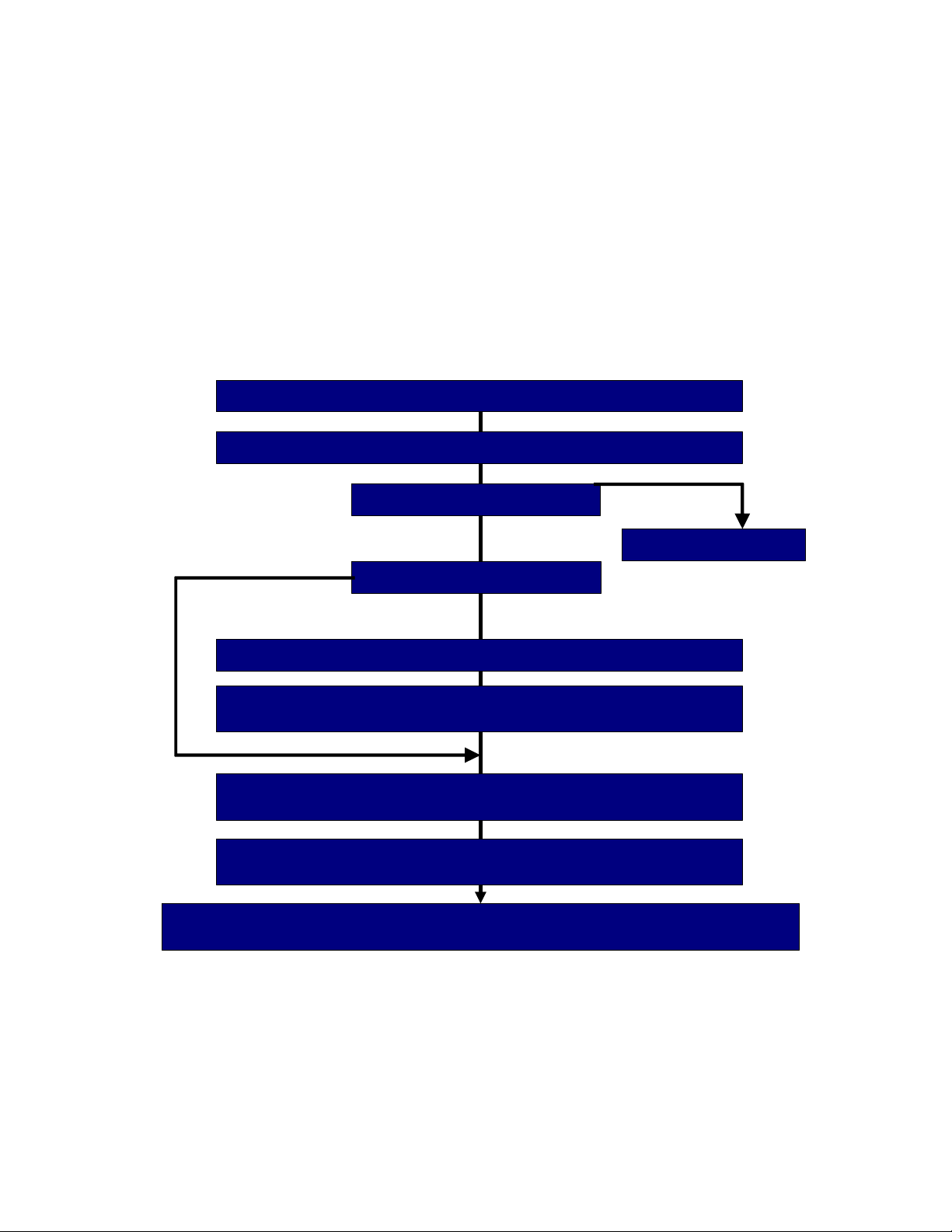
Figure 1: Recommended actions for phone analysis (ACPO, 2009)

Please reference as : Curran, K., Robinson, A., Peacocke, S., Cassidy, S. (2010) Mobile Phone Forensic Analysis,
International Journal of Digital Crime and Forensics, Vol. 2, No. 2, pp:, April-May 2010, ISSN: 1941-6210, IGI Pub
Figure 1 details the actions taken by personnel involved in the forensic analysis of a mobile device. This is precise
work which needs to be carried out professionally so as to preserve the information collected. Other forensic
evidence such as DNA, fingerprints, firearms and narcotics should also be considered so as to protect evidence. The
order in which forensic examinations take place is crucial, for example the examining of a mobile phone for
fingerprints may result in that particular handset being inoperative. Careful consideration must be taken so as not to
destroy important fingerprint or DNA evidence found on the device. The personnel involved with the seizure of the
device must ensure that they acquire everything involved with the device. This includes cables, chargers, memory
cards, boxes and network account bills. These items may help the inquiry considerably as the original packaging
may contain helpful pieces of data such as the PIN/PUK details. PC equipment must also be seized as the device in
question may have been connected with such a system at some stage. The PC may contain relevant software that
was used to transfer files, music, calendar dates, etc to and from the mobile phone. It must be taken into account that
some devices may have a clearance or ‘housekeeping’ feature which carries out data wiping at a set time. For
example, call logs may be deleted after a default period of thirty days (ACPO, 2009).
Care needs to be taken when encountering access codes such as PINs/passwords in order to avoid permanent
damage and loss of information from a device/mobile phone. The number of remaining password or Personal
Unblocking Key (PUK) attempts allowed on a SIM card should be verified. Subsequently, if the information on the
device/mobile phone is needed urgently, it would be appropriate to try the default PIN as set by the device’s service
provider so that delays may be avoided. It should be noted that only three attempts can be made to enter the correct
PIN. Nevertheless, one attempt should always be reserved in case the device owner provides the required PIN or it is
found elsewhere. Guessing the PUK should never be attempted as the data found on the SIM card is lost forever
once ten PUK attempts are made (ACPO, 2009).
Personnel who seize such devices should be trained extensively on how to take possession of a device appropriately
and they should have relevant packaging materials to keep such a device safe and secure, as it could be used as a
vital piece of evidence in a court case. Personnel should also be aware that some devices may remove/delete data
automatically if any manual examination is carried out. It is often the case that computers/PCs may have tools
installed so as to keep their information private, although this kind of behaviour is on the increase in mobile phones
due to their development over the past number of years. Personnel should be fully trained in the tools and
techniques used in mobile phone forensic analysis/examination. Before attempting a real case, experience in such
fields of expertise should be previously obtained. This is mainly related to the use of non-forensic tools which may
connect or join the device and PC either through cables or wirelessly and would result in a loss of vital
information/evidence (ACPO, 2009).
It is recommended that personnel involved with the examining of a device or mobile phone, make suitable use of
photography and video equipment so as to record or document the state of the device during various stages within
the examining processes. The scene from which the device was acquired should also be given the same level of
detail in recording or documenting the status of that area. The status of the device at the point of seizure needs to be
recorded and photographed carefully, especially any on-screen data. A log of actions must be maintained and
accompanied with the device when the device is seized and during the processes involved with examination. During
such an examination, the log of actions must be updated, for example if messages are received, this must be
documented. Such information as this must be documented in a way that is fitting to be incorporated into the final
report. Photographs and video may be used as forms of documentation. This is particularly important when it comes
to the recording of important information such as contacts and messages. Yet again the analysis tools or software
used have to be detailed extensively, for example version number and add-ons used (ACPO, 2009).
![Ứng dụng nên cài đặt cho điện thoại Android: [Danh sách/ Kinh nghiệm/ Mới nhất]](https://cdn.tailieu.vn/images/document/thumbnail/2013/20131013/o0yugj0o/135x160/5191381637039.jpg)



![Cài đặt hệ thống tự động gửi SMS cảnh báo khi website bị sập [Hướng dẫn chi tiết]](https://cdn.tailieu.vn/images/document/thumbnail/2013/20130725/qiqinn/135x160/8461374745652.jpg)



![Giáo trình Hướng dẫn thực hành Quản trị an toàn hệ thống: Phần 2 [Mới nhất]](https://cdn.tailieu.vn/images/document/thumbnail/2026/20260306/hoaphuong0906/135x160/83901773031107.jpg)


