
SYSTE M A T I C REV I E W Open Access
The importance of organizational characteristics
for improving outcomes in patients with chronic
disease: a systematic review of congestive heart
failure
Luci K Leykum
1*
, Michael Parchman
2
, Jacqueline Pugh
1
, Valerie Lawrence
1
, Polly H Noël
1
, Reuben R McDaniel Jr
3
Abstract
Background: Despite applications of models of care and organizational or system-level interventions to improve
patient outcomes for chronic disease, consistent improvements have not been achieved. This may reflect a
mismatch between the interventions and the nature of the settings in which they are attempted. The application
of complex adaptive systems (CAS) framework to understand clinical systems and inform efforts to improve them
may lead to more successful interventions. We performed a systematic review of interventions to improve
outcomes of patients with congestive heart failure (CHF) to examine whether interventions consistent with CAS are
more likely to be effective. We then examine differences between interventions that are most effective for
improving outcomes for patients with CHF versus previously published data for type 2 diabetes to explore the
potential impact of the nature of the disease on the types of interventions that are more likely to be effective.
Methods: We conducted a systematic review of the literature between 1998 and 2008 of organizational
interventions to improve care of patients with CHF. Two independent reviewers independently assessed studies
that met inclusion criteria to determine whether each reported intervention reflected one or more CAS
characteristics. The effectiveness of interventions was rated as either 0 (no effect), 0.5 (mixed effect), or 1.0
(effective) based on the type, number, and significance of reported outcomes. Fisher’s exact test was used to
examine the association between CAS characteristics and intervention effectiveness. Specific CAS characteristics
associated with intervention effectiveness for CHF were contrasted with previously published data for type 2
diabetes.
Results and discussion: Forty-four studies describing 46 interventions met eligibility criteria. All interventions
utilized at least one CAS characteristic, and 85% were either ‘mixed effect’or ‘effective’in terms of outcomes. The
number of CAS characteristics present in each intervention was associated with effectiveness (p < 0.001),
supporting the idea that interventions consistent with CAS are more likely to be effective. The individual CAS
characteristics associated with CHF intervention effectiveness were learning, self-organization, and co-evolution, a
finding different from our previously published analysis of interventions for diabetes. We suggest this difference
may be related to the degree of uncertainty involved in caring for patients with diabetes versus CHF.
Conclusion: These results suggest that for interventions to be effective, they must be consistent with the CAS
nature of clinical systems. The difference in specific CAS characteristics associated with intervention effectiveness
for CHF and diabetes suggests that interventions must also take into account attributes of the disease.
* Correspondence: leykum@uthscsa.edu
1
South Texas Veterans Health Care System and Department of Medicine,
University of Texas Health Science Center at San Antonio, San Antonio TX,
78229, USA
Full list of author information is available at the end of the article
Leykum et al.Implementation Science 2010, 5:66
http://www.implementationscience.com/content/5/1/66
Implementation
Science
© 2010 Leykum et al; licensee BioMed Central Ltd. This is an Open Access article distributed under the terms of the Creative Commons
Attribution License (http://creativecommons.org/licenses/by/2.0), which permits unrestricted use, distribution, and reproduction in
any medium, provided the original work is properly cited.

Background
Successful management of chronic disease in routine
practice is an elusive task [1,2]. As the number of
patients with chronic medical illness and the literature
regarding their optimal management have grown,
attempts have been made to improve their care by
implementing new models of care delivery. Implementa-
tion of these models involves intervening in specific
ways in clinical settings and organizations, and each
model has organizational elements that are considered
necessary for model implementation. For example, in
the chronic care model, delivery system design and
information systems are among the elements that are
specifically identified [3].
The number of interventions on an organizational
level to improve delivery of care and outcomes for
patients with chronic disease has grown. However, these
care models and organizational strategies have not met
with uniform success [4-14]. We believe that an impor-
tant reason for this variation in outcomes is that inter-
ventions do not adequately take into account the
characteristics of clinical systems in which patients
receive care.
Clinical microsystems are the building blocks of
healthcare delivery: the individual clinics, units, or other
areas where care is delivered. The complex adaptive sys-
tem (CAS) framework has been applied to clinical
microsystems as a theoretical model for better under-
standing them [15-22]. This framework suggests that
clinical settings are environments in which individuals
learn, inter-relate, self-organize, and co-evolve in
response to changes in their internal and external envir-
onments, in turn shaping those environments [15,19].
Because inputs and outputs in CAS may not be propor-
tional or predictable, interventions that are successful in
one setting may not be successful in another. However,
evidence suggests that interventions congruent with the
CAS framework and characteristics are in general more
likely to be effective [21-25].
The insight that clinical settings are CASs is important
to the field of implementation research, as it provides
guidance for how to approach disseminating research
findings into routine care. The CAS framework suggests
that local contexts and local interactions between indivi-
duals are critical considerations in designing interven-
tions, and that leveraging these may lead to
improvements in system performance. However, we
wanted to expand on this insight by exploring the possi-
bility that interventions must also be congruent with the
nature of the disease or diseases of the patients being
cared for. Diseases may mediate the way that interven-
tions influence a patient’s care. The level of complexity
of different diseases, and the ways that chronic diseases
impact patients’lives, varies greatly depending on the
type of disease, leading to the need for different
approaches. For example, self-monitoring in diabetes
may be more difficult than congestive heart failure
(CHF) because it may be more difficult to monitor car-
bohydrates and calories than salt, and involves the pain
of fingersticks versus standing on a scale to check
weight. Therefore, the most effective patterns of com-
munication between patients with type 2 diabetes and
their providers may be different from those for patients
with CHF, which in turn may affect the way that provi-
ders and staff interact and structure the delivery of care
for those groups of patients. Because of this, we believe
that for interventions whose goal is to improve the per-
formance of a clinical system to be most effective, they
must take into account not only the nature of the sys-
tem, but also the nature of the disease.
The purpose of this paper is twofold. First, we build
on the literature suggesting that interventions consistent
with CAS are more likely to be effective [22] by con-
ducting a systematic review of organizational interven-
tions focused on improving care of patients with CHF.
This work builds on our previously published systematic
review of interventions to improve outcomes for
patients with Type 2 diabetes, expanding the data
regarding the importance of considering health care set-
tings as CAS beyond a single chronic disease. Like dia-
betes, CHF is a common disease whose management is
broadly relevant. We also chose CHF because of the
growing number of studies of interventions to improve
CHF outcomes through changing the way that care is
delivered in clinical settings.
Our second purpose is to compare the findings of the
specific types of interventions that appear to be most
effective for CHF and diabetes, to identify differences in
the specific CAS characteristics associated with more
effective outcomes for each disease. We hypothesized
that there are fundamental differences between CHF
and diabetes in terms of their impact on patients’day-
to-day lives, the behaviors that are required for their
successful management, and the structure of care deliv-
ery that best supports successful management.
Methods
Systematic review of organizational interventions for CHF
Our methods mirrored those in our previously pub-
lished systematic review of organizational interventions
to improve care of patients with type 2 diabetes [22].
Specific elements are as follows.
Search strategy
We defined organizational interventions as those that
explicitly attempt to affect or change organizational
Leykum et al.Implementation Science 2010, 5:66
http://www.implementationscience.com/content/5/1/66
Page 2 of 10

structures or processes to implement evidence-based
practice. Our search strategy was based on four compo-
nents: the strategy developed by the Effective Practice
and Organization of Care (EPOC) Group of the
Cochrane Collaboration [26]; additional search terms for
types of organizational interventions not included in
EPOC, such as total quality improvement, PDSA (Plan-
Do-Study-Act), and practice redesign; additional search
terms identified in recent systematic reviews of quality
improvement initiatives; and bibliographies and Medline
indexing terms of relevant publications.
To focus the search on CHF, we added disease-speci-
fic MeSH and text word terms, ran a preliminary search,
and reviewed 2,559 titles and abstracts (determined by
saturation, until no further new terms were identified),
for additional text word terms. The search terms are
listed in Additional File 1. We did not search the man-
agement literature, nor did we seek out unpublished
data. We searched Medline from 1989 through 17 July
2008.
Inclusion and exclusion criteria
We included randomized, quasi-randomized, or con-
trolled clinical trials published in English and conducted
in economically developed countries identified as such
by the International Monetary Fund or the Organization
for Economic Cooperation and Development [27]. We
excluded non-English articles, with the rationale that
non-English studies comprise only 1% of the EPOC reg-
istry. Because our goal was to understand interventions
in routine outpatient practice, and to have uniformity in
the types of settings included, we excluded studies con-
ducted in nursing home or palliative care settings. To
focus on the impact of interventions of process of care
or patient outcomes, we excluded studies reporting only
the following non-clinical outcomes: patient or provider
knowledge; self-efficacy; satisfaction; or other attitudes
and beliefs. To minimize heterogeneity among study
populations, we excluded studies of cor pulmonale
patients exclusively. Finally, to focus on interventions
that attempted to improve care by changing the organi-
zations or settings in which care was delivered, we
excluded: care pathway interventions without organiza-
tional components (e.g., patient or provider education
only); work site health interventions; exercise rehabilita-
tion or diet only; and disease prevention or screening
only.
Four investigators independently reviewed overlapping
groups of differing halves of the citations’titles and
abstracts generated by the full literature search to assess
agreement regarding potentially eligible publications. If
eligibility was uncertain after review of the title and
abstract, the full article was reviewed. Eligible studies
were independently reviewed and jointly abstracted in
detail by teams of two investigators. Disagreements were
resolved by consensus of the group of investigators.
Assessment of leveraging of characteristics of CAS
Eligible publications of organizational interventions as
defined by the inclusion and exclusion criteria were
then independently evaluated by two raters with content
expertise in complexity science to assess the extent to
whicheachreportedintervention utilized the following
four recognized CAS characteristics [15,19,22]: indivi-
duals’capacity/ability to learn; the interconnections
between individuals; the ability of participants to self-
organize; and the tendency of participants to co-evolve.
Each intervention was given a point for each of the
characteristics present in the study design, for a possible
lowest score of 0 and highest score of 4. If a study con-
tained more than one intervention, each was assessed
separately. Definitions of each characteristic, along with
examples of specific interventions felt to reflect each
characteristic, are summarized in Table 1. An example
of an intervention felt to include all four CAS character-
istics included the addition of a nurse practitioner-led
clinic (changing the interconnections between patients
and providers), protocol development, and patient edu-
cation (learning). Patients received individualized feed-
back (self-organization), and the frequency of visits and
type of feedback changed depending on the patient’s
progress or symptoms (self-organization and co-evolu-
tion). An intervention that included only one CAS ele-
ment was one in which data from a one-time patient
survey was used to generate standardized care sugges-
tions embedded within an electronic health record (only
assessed as changing interconnections among patients
and providers by adding a new contact point). Addi-
tional File 2 contains detail of each reported interven-
tion and its CAS characteristic rating. The raters were
blinded to the outcomes of the studies. The kappa for
these scores between reviewers was 0.84, with conflicts
subsequently resolved by discussion.
Assessment of reported outcomes
Because of the great heterogeneity among reported out-
comes, we did not use effect size as the outcome vari-
able. Instead, we used a rating scale to assess the
effectiveness of the intervention. The outcomes of each
study were rated by two independent reviewers on a
scale of 0 (no effect), 0.5 (mixed results), and 1 (inter-
vention effective) based on the type (process versus out-
come), number, and statistical significance of outcomes
reported. Table 2 summarizes the criteria for each rating
category, as well as provides examples of outcomes felt
to reflect each category of effectiveness. Reviewers were
blinded to study intervention, author, and title of manu-
script, and one outcome rater was different from the
Leykum et al.Implementation Science 2010, 5:66
http://www.implementationscience.com/content/5/1/66
Page 3 of 10

intervention raters. The kappa for these scores was 0.86
with conflicts resolved by discussion.
Statistical analysis of association between CAS
characteristics and intervention effectiveness
We used Fisher’s exact test to test the significance of the
relationship between total number of characteristics of
CASs utilized in an intervention and the strength of
outcomes reported, as well as between each individual
characteristic and the strength of outcomes. Because a
mismatch between the unit of allocation and analysis
may bias a study towards positive results, we divided
studies into two groups based on whether a unit of ana-
lysis error was present. A second analysis using Fisher’s
exacttestwasperformedincluding only those studies
that did not contain a unit of analysis error. Finally, a
third analysis using logistic regression was performed to
weight studies based on both sample size and duration
of intervention, with outcome rating as the independent
variable, and CAS score, sample size, and intervention
duration as independent predictors.
All statistical analysis was performed using Stata 9.2
(College Station, Texas).
Analysis contrasting CAS characteristics associated with
effectiveness for CHF and diabetes
The relationship between each individual CAS charac-
teristic utilized in an intervention and strength of
reported outcomes was assessed, using Fisher’sexact
test with and without intervention with unit of analysis
error, as well as logistic regression. The individual char-
acteristics associated with intervention effectiveness for
CHF were compared with those previously reported for
diabetes [22].
Results
Systematic review of organizational interventions for CHF
Our search identified 2,510 publications for CHF. Of
those, 112 were potentially eligible based on review of
title and abstract, and were fully reviewed by a team of
two investigators. Based on this review, 44 articles were
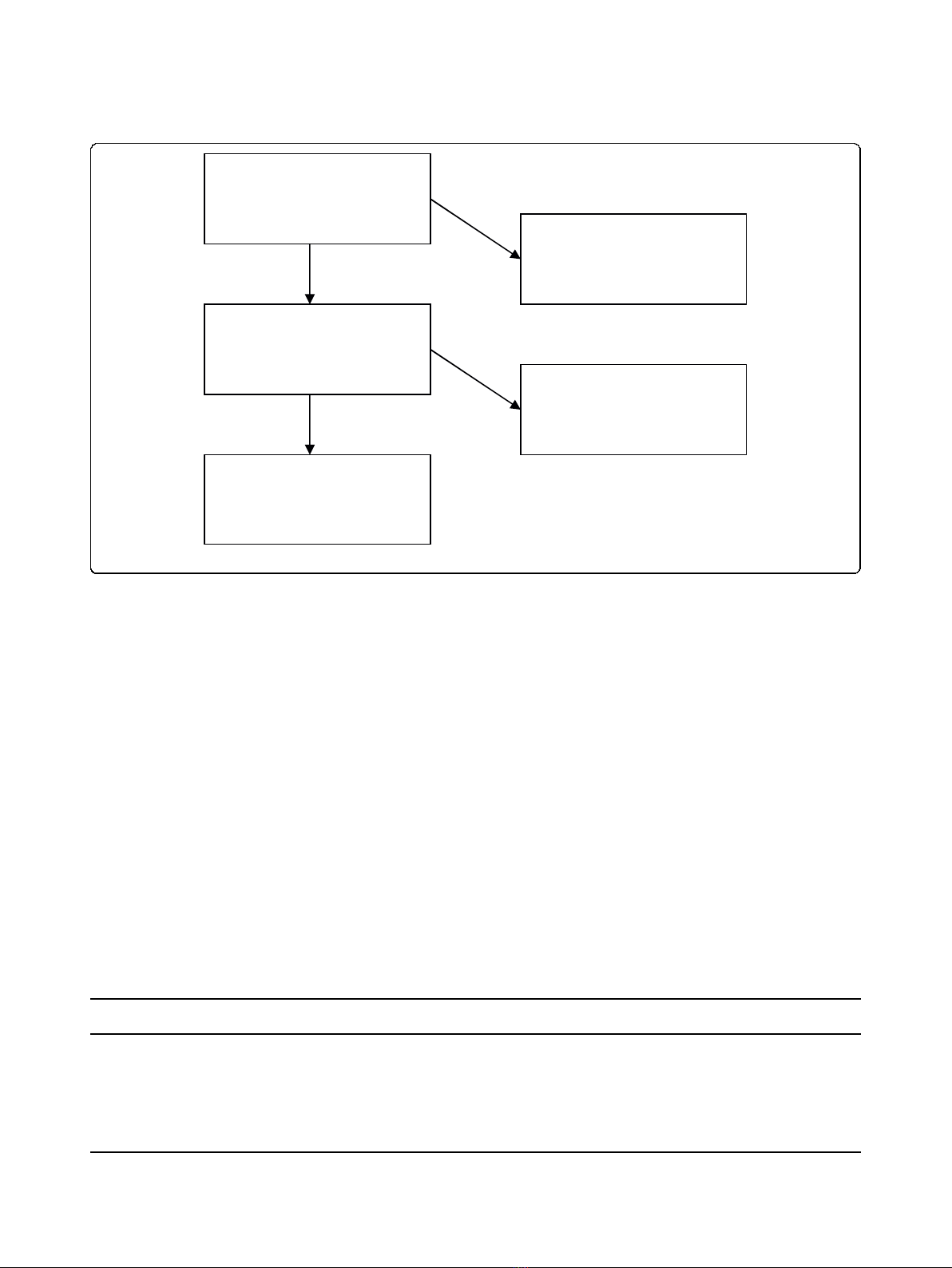
eligible for inclusion [28-71]. Figure 1 details the num-
bers of articles eligible and ineligible at each stage of
review. Seven studies had unit of allocation error, in
which the unit of randomization was either the provider
or clinic, but the unit of analysis was the patient. Two
studies reported two distinct interventions [50,59]; each
intervention was analyzed separately for a total of 46
interventions across 44 studies. The CAS scores for
each study are contained in Additional File 2.
Only 13 interventions out of 46 (28%) received a rat-
ing of 1 for outcomes through demonstrating significant
improvement in most or all reported outcomes; all
others were felt to have mixed or negative results. All
interventions incorporated at least one CAS characteris-
tic, with 41% utilizing two CAS characteristics, 28% uti-
lizing three, and 24% utilizing four. Ninety-three percent
of reported interventions were judged to change the pat-
tern of interconnections between individuals, typically
through the introduction of a new person such as a case
Table 1 Characteristics of Complex Adaptive Systems Abstracted
Characteristic Definition Example
Agents who
Learn
•People can and will process information, as well as react to changes in
information
•‘Health Buddy’with educational content
•Teach guidelines
Interconnections •Change in pattern of interactions, including non-verbal communication,
among agents
•Introducing new agents into the system
•Letters to patients
•Nurse-led heart failure group clinic
•Clinical reminders
Self-organization •Order is created in a system without explicit hierarchical direction •Flexibility in tailoring intervention to individual
patients
Co-evolution •The system and the environment influence each other’s development •Individualized ‘HOME’treatment plan that changes
over time
Table 2 Criteria used to classify intervention effectiveness, with examples of outcomes reflecting each level of
effectiveness
Outcome
Score
Criteria Example
0•No statistically differences between control and intervention groups, or
between intervention and baseline, on process or outcome measures
•No difference in adherence, NYHA class, # visits, or #
hospitalizations
0.5 •Trends without significance
•Mixed outcomes (significant improvement in minority of measures)
•Significant improvement compared with baseline, but not with control
•Significant improvement in adherence, trends for CHF-
related admission and total number of hospital days
1•Statistically significant improvement:
-all outcomes if ≤3 endpoints
-majority of outcomes if > 3 endpoints
•Significant reduction in all-cause mortality and all-cause
admissions at 3 months
Leykum et al.Implementation Science 2010, 5:66
http://www.implementationscience.com/content/5/1/66
Page 4 of 10
manager. Thirty-five interventions (76%) impacted learn-
ing; sixteen (35%) allowed self-organization of study par-
ticipants; and in thirty (65%), the intervention evolved
over time based on factors such as the patient’s status
or symptoms.
The association between number of CAS characteris-
tics leveraged in an intervention and its effectiveness is
shown in Table 3. None of the studies utilizing only one
or two characteristics demonstrated significant improve-
ment in most or all outcomes. All studies utilizing three
or four CAS characteristics demonstrated at least mixed
results, and ninety-one percent of those using all four
CAS characteristics received the highest rating of effec-
tiveness based on having demonstrated statistically sig-
nificant improvement in most or all outcomes. This
association between number of CAS characteristics uti-
lized and the effectiveness of an intervention was signifi-
cant (p < 0.001), and remained so after studies with unit
of allocation error were excluded (p < 0.001). This asso-
ciation also remained significant in logistic regression
analysis, adjusting for sample size and intervention dura-
tion (p < 0.001).
Three individual CAS characteristics were associated
with CHF intervention effectiveness: learning (p = 0.05),
self-organization (p < 0.001), and co-evolution (p =
0.002). These associations remained significant after
excluding studies with unit of analysis error. The asso-
ciation between interconnections and effectiveness was
not significant (p = 0.72). The detail of analysis for indi-
vidual CAS characteristics and intervention effectiveness
is shown in Additional File 3.
Analysis contrasting CHF and diabetes
A systematic review of interventions to improve care of
patients with diabetes through changing the way health
care organizations delivered care was previously
2,510 publications
identified by search
strategy
112 publications
included for full review
by teams of reviewers
2,398 publications
ineligible based on
review of abstract
67 publications
ineligible based on full
review
44 studies eligible
Figure 1 Articles eligible and ineligible at each stage of review.
Table 3 Distribution of CAS and intervention effectiveness for CHF studies
Total CAS
Score
Rating of Intervention Effectiveness Total No. Studies with each CAS Score
0 0.5 1
112 0 3
2613 0 19
3010 3 13
40 1 10 11
Total 7 26 13 46
P < 0.001
Leykum et al.Implementation Science 2010, 5:66
http://www.implementationscience.com/content/5/1/66
Page 5 of 10


![Báo cáo seminar chuyên ngành Công nghệ hóa học và thực phẩm [Mới nhất]](https://cdn.tailieu.vn/images/document/thumbnail/2025/20250711/hienkelvinzoi@gmail.com/135x160/47051752458701.jpg)