

TNU Journal of Science and Technology
229(06): 149 - 159
http://jst.tnu.edu.vn 149 Email: jst@tnu.edu.vn
ENERGY AND ENERGY MODELS FOR TROPICAL ISLANDS IN VIETNAM
Nguyen Hoang Phuong1,2*, Vo Viet Cuong2, Nguyen Truong Phuc Khanh3, Tran Quoc Cuong1
1Tien Giang University, 2HCM University of Technology and Education, 3Sai Gon VRG Investment Corporation
ARTICLE INFO
ABSTRACT
Received:
04/3/2024
When delving into energy research, addressing the energy needs of islands
becomes a noteworthy challenge due to their geographical isolation,
making energy supply a formidable task. Constructing an energy model for
islands can be regarded as building a scaled-down version of a national
energy system. Vietnam, being a tropical country with an extensive
coastline and over 3,000 islands, poses a significant issue for researching
on-site energy potential for these islands and developing efficient energy
usage models, reducing Carbon dioxide emissions-contributing
substantially to the sustainable development of the islands. In this article,
analytical, synthesis, and comparative methods are employed to evaluate
and provide valuable insights, leading to the proposal of an energy-efficient
model and Carbon dioxide emission reduction for Vietnam's tropical
islands. The research results reveal a considerable energy potential in
Vietnam's tropical islands, and the application of technical solutions to
optimize energy usage for these islands is rational. The proposed energy
model can not only be applied to Vietnam's tropical islands but can also
contribute to promoting sustainable energy development for island
communities worldwide with similar characteristics.
Revised:
14/5/2024
Published:
14/5/2024
KEYWORDS
Energy model
Tropical islands
Solutions
Efficient utilization
Renewable energy
NĂNG LƯỢNG VÀ MÔ HÌNH NĂNG LƯỢNG CHO CÁC ĐẢO NHIỆT ĐỚI
Ở VIỆT NAM
Nguyễn Hoàng Phương1,2,*, Võ Viết Cường2, Nguyễn Trương Phúc Khánh3, Trần Quốc Cường1
1Trường Đại học Tiền Giang, 2Trường Đại học Sư phạm Kỹ thuật TP.HCM, 3Công ty CP Đầu tư Sài Gòn VRG
THÔNG TIN BÀI BÁO
TÓM TẮT
Ngày nhận bài:
04/3/2024
Khi nghiên cứu về năng lượng, vấn đề năng lượng cho các đảo là một
thách thức đáng chú ý do sự cách biệt địa lý của chúng, dẫn đến việc cung
cấp năng lượng trở nên khó khăn. Việc xây dựng mô hình năng lượng cho
các đảo có thể được xem xét như việc xây dựng một mô hình thu nhỏ của
hệ thống năng lượng quốc gia. Việt Nam là một quốc gia nhiệt đới, với bờ
biển dài và hơn 3.000 hòn đảo, đặt ra vấn đề quan trọng là nghiên cứu
tiềm năng năng lượng tại chỗ cho các đảo và phát triển mô hình sử dụng
năng lượng hiệu quả, giảm phát thải CO2 góp phần quan trọng vào sự
phát triển bền vững của các đảo. Trong bài báo này phương pháp phân
tích, tổng hợp và so sánh được sử dụng để đánh giá và đưa ra nhận xét có
giá trị, từ đó đề xuất mô hình sử dụng năng lượng hiệu quả, giảm phát
thải CO2 cho các đảo nhiệt đới của Việt Nam. Kết quả nghiên cứu cho
thấy tiềm năng năng lượng tại các đảo nhiệt đới của Việt Nam là rất đáng
kể, việc áp dụng các giải pháp kỹ thuật nhằm tối ưu hóa việc sử dụng
năng lượng cho các đảo này là hợp lý. Mô hình năng lượng được đề xuất
không chỉ có thể áp dụng cho các đảo nhiệt đới của Việt Nam mà còn có
thể góp phần thúc đẩy phát triển năng lượng bền vững cho cộng đồng đảo
trên thế giới có các đặc điểm tương đồng.
Ngày hoàn thiện:
14/5/2024
Ngày đăng:
14/5/2024
TỪ KHÓA
Mô hình năng lượng
Đảo nhiệt đới
Giải pháp
Sử dụng hiệu quả
Năng lượng tái tạo
DOI: https://doi.org/10.34238/tnu-jst.9833
* Corresponding author. Email: nguyenhoangphuong@tgu.edu.vn
TNU Journal of Science and Technology
229(06): 149 - 159
http://jst.tnu.edu.vn 150 Email: jst@tnu.edu.vn
1. Introduction
Small offshore islands face energy scarcity and isolation due to their remote locations, requiring
independent power systems. Currently, they rely heavily on fossil fuels, especially during high-
demand months. Seasonal variations, fuel price fluctuations, and the pressure from tourism growth
necessitate a sustainable energy supply. Meanwhile, due to the tropical island characteristics, on-
site energy sources such as solar energy are abundant; islands often experience strong and
consistent winds, and biomass sources like solid waste and agricultural residues are plentiful, albeit
contributing to environmental pollution. The consideration of technical solutions for energy
efficiency has also been neglected in application. Additionally, the islands' undeveloped or
underutilized on-site energy sources result in heavy reliance on fossil fuels for electricity
generation, transportation, and energy production, leading to significant CO2 emissions into the
environment. Developing energy models is imperative to reduce costs. This demonstrates the
urgency of building energy models to mitigate costs and safeguard the environment.
Alexis Ioannidis and Konstantinos J. Chalvatzis [1] conducted research on the needs and
strategies for addressing energy independence, sustainable development, and energy security on
islands worldwide. They found that the growth of indigenous renewable energy sources directly
contributes to energy independence, enhances sustainable development, and improves energy
security. Specifically, firstly, we are examining the energy situation in the Indian Ocean Region.
(1) Mauritius: In 2015, the majority of electricity in Mauritius was generated from coal
(40.0%) and diesel fuel (37.0%), with renewable energy playing a minor role. This indicates that
Mauritius has not made significant progress towards its energy strategy. At the current pace, it is
expected that Mauritius will not be able to achieve its energy targets for 2020 and 2025 [2].
(2) Reunion Island - France: Reunion Island boasts significant solar potential (6.5 kWh/m2),
contributing to 130 MW of installed solar photovoltaic capacity by 2016. Wind farms, with a
combined capacity of 14.7 MW, show promise for further development. While hydropower has
reduced to 1/4 of total output, biomass remains a diverse and essential energy source. To combat
reliance on fossil fuels (44.5% of energy consumption), the government aims for 100%
renewable energy by 2025, offering incentives like tax exemptions and subsidies [3], [4].
(3) Maldives Islands: Tourism constitutes 25% of the Maldives' GDP, with imported diesel
powering the islands, including 290 MW in total diesel power generators. Despite solar panel
installations, the country remains entirely reliant on oil imports for electricity [5].
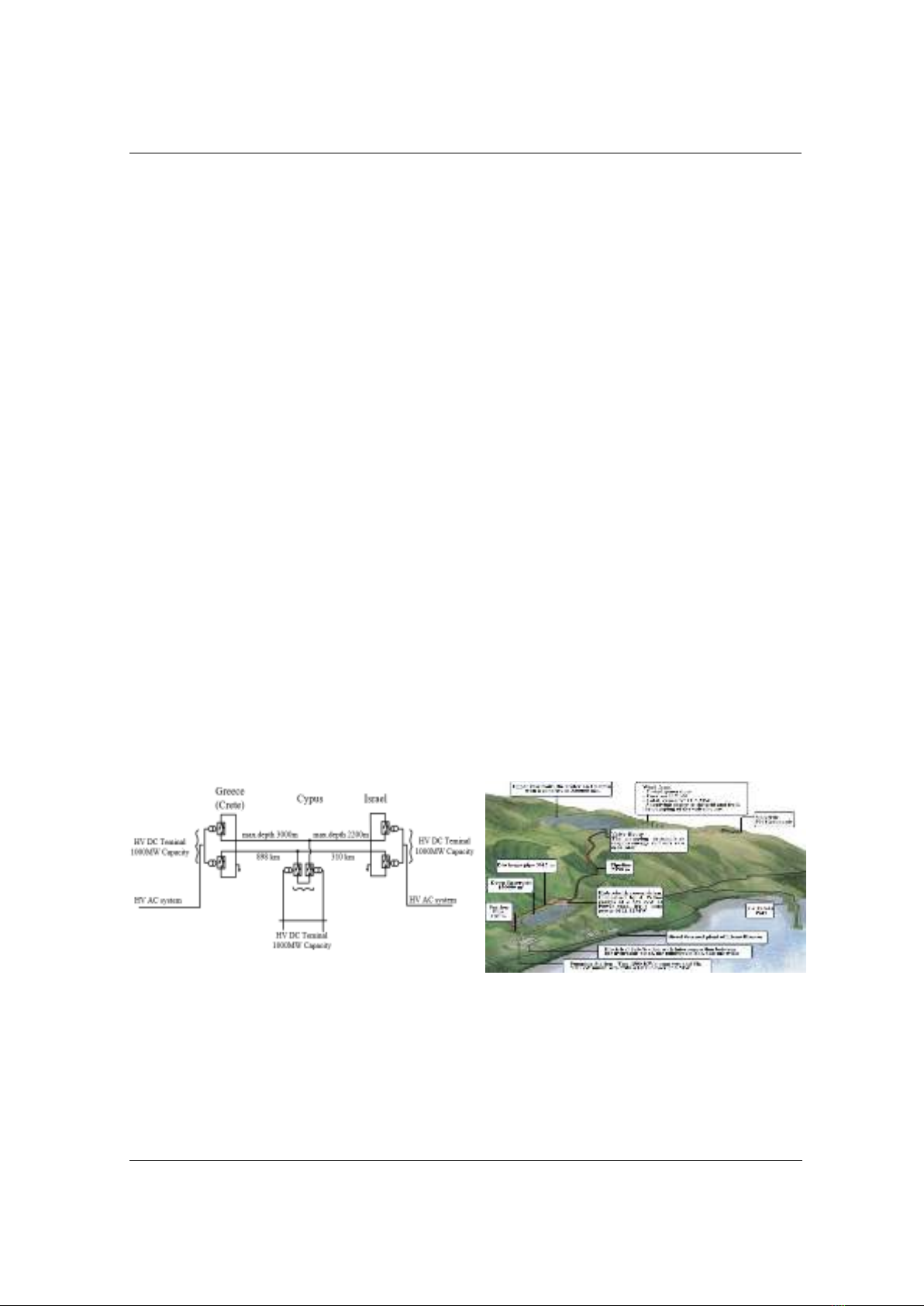
Figure 1. Electrical Grid Connection Diagram
between Greece, Cyprus, and Israel
Figure 2. Hydro-Wind Power System [4]
Energy Models of Mediterranean Islands: Mediterranean islands, like Cyprus, face energy
challenges, relying on the EuroAsia Interconnector, an underground DC power cable network
connecting Greece, Cyprus, and Israel, with a 2,000 MW capacity, to address energy isolation
and meet demand, as depicted in Figure 1 [1].
Next, the Energy Models of Atlantic Islands involve reducing reliance on fossil fuels through
local renewable sources. To tackle intermittent energy challenges, smart grids are employed to
monitor and manage energy supply and demand efficiently [6].
TNU Journal of Science and Technology
229(06): 149 - 159
http://jst.tnu.edu.vn 151 Email: jst@tnu.edu.vn
On Gran Canaria, the energy model is shifting from fossil fuels to prioritize electricity
demand and renewable sources. The island aims for 100% renewable energy usage,
implementing strategies across sectors like energy, heating, cooling, desalination, transportation,
gas, and electricity production. Surplus energy will be used for advanced solutions like carbon
capture for hydro production after meeting all electricity needs [7], [8].
El Hierro Island in Spain has transitioned from fossil fuels to renewable energy by combining
hydroelectric and wind power systems (Figure 2). This system meets approximately 77% of the
island's annual energy needs [4].
Vietnam has more than 3,000 islands of various sizes. Similar to many islands around the
world, Vietnamese islands face a common issue of energy scarcity. Specific energy models have
not been developed for Vietnam's islands. In particular, some tropical islands with relatively
larger land areas, such as Phu Quoc, Phu Quy, and Con Dao, are of significant interest.
Phu Quoc, the largest island in the Gulf of Thailand, relies on the national grid and diesel
backup for electricity. With plans to develop into a special economic zone, eco-tourism hub, and
more by 2030, the island's population is growing rapidly, reaching an expected 177,540 people by
2023. However, the rising electricity demand poses a challenge for adequate supply (Table 1) [9].
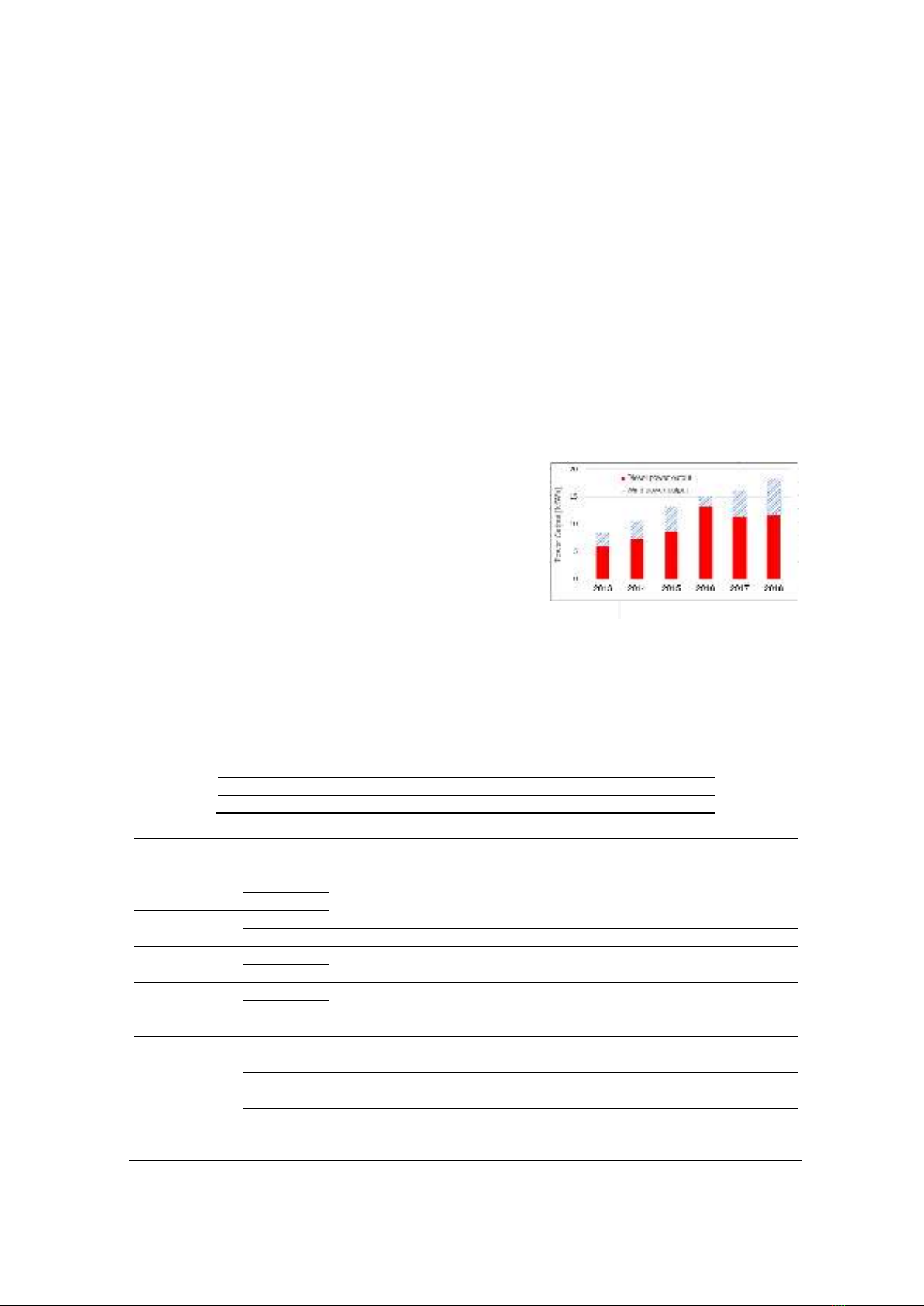
Phu Quy Island, operating independently from the
mainland, has been supplying continuous electricity since
2014. Despite the installation of wind turbines in 2012, the
island's energy demand is projected to increase by 21%
annually until 2030 [10]. The electricity output of Phu Quy
for the period 2013-2028 is illustrated in Figure 3. The
island heavily relies on diesel power generation, constituting
70% of the electricity output [11]. The current efficiency of
the power system is not fully optimized.
Figure 3. Electricity production of Phu
Quy island 2013-2018 [10]
Con Dao Island presently depends on diesel power. With an average electricity growth rate of
16% to 22% from 2015-2019, the demand is expected to peak at 27.3% in 2025.
The islands of Nam Du, An Son, and Tho Chu in Kien Giang province also rely on on-site
diesel power generation. It is not feasible to extend the grid to these islands due to the long
distances involved and their relatively low electricity consumption. Moreover, these islands do
not currently have a specific energy model for future development.
Table 1. Power demand of Phu Quoc (2018-2025) (kW) [9]
2018
2019
2020
2021
2022
2023
2024
2025
64.5
87.0
117.4
128.6
140.9
154.5
169.3
185.5
Table 2. Energy supply solutions for some tropical islands
Region
Island
Energy supply solution
Indian Ocean
Mauritius
There are renewable energy development policies in place, but there is no
comprehensive scientific strategy.
Reunion
Maldives
Southeast Asia
Bali
Phuket
Using the Kommod model to determine the optimal power generation structure
Mediterranean
Crete
Connecting electricity using a DC electrical system.
Cyprus
Atlantic Ocean
Madeira
Tailoring scenarios for each energy consumption sector.
Gran Canaria
El Hierro
Hydropower-wind model.
Vietnam's
tropical islands
Phu Quoc
Supplying electricity from the mainland using an underground cable
system and backup diesel generators.
Con Dao
Generating electricity from diesel and solar power.
Phu Quy
Generating electricity from diesel and wind power.
Ly Son
Supplying electricity from the mainland using an underground cable
system and diesel power generation.
TNU Journal of Science and Technology
229(06): 149 - 159
http://jst.tnu.edu.vn 152 Email: jst@tnu.edu.vn
Table 2 introduces the energy supply solutions for several tropical islands. In Europe, island
groups have established specific energy models to meet future development needs due to
limitations in enhancing renewable energy usage. In Southeast Asia, where renewable energy
potential is abundant but specific energy policies and models are lacking.
In general, global research has convincingly shown that offshore islands have implemented
various innovative energy models to meet their energy needs. However, in Vietnam, especially
on tropical islands, an effective energy model is still absent. This poses numerous challenges in
providing reliable energy and sustainable development. Extending the electricity grid to the
islands may temporarily address political security issues but requires significant investments and
faces difficulties in politically unstable situations. Therefore, proposing an efficient energy model
based on renewable energy, waste management, and implementing optimized technical solutions
for Vietnam's tropical islands is not only necessary but also urgent.
2. Materials and Methods
Synthesis approach: This method is employed to gather data and disseminate information
about the energy models currently being implemented on tropical islands worldwide. This
method aids in addressing the energy needs of these islands based on their natural conditions.
These models are synthesized from studies published in reputable scientific journals globally.
The synthesis includes results from the team's previous research, disclosed at international
conferences and published in reputable scientific journals during the period from 2017 to 2023.
Additionally, it incorporates findings from recent research by esteemed scientists published in
reputable journals.
Analysis Technique: This study analyzes previously published documents on emerging energy
forms, as well as the technical solutions proposed in the author's and other reputable scientists'
prior research. This helps assess the current state of the study, enabling more precise and accurate
recommendations for reasonable solutions.
Data Processing methods: Employing a comparative technique and creating statistical tables
for summarizing and comparing research results related to the potential of various energy forms.
This includes advanced technical solutions applicable to tropical islands, contributing to the
efficient utilization of energy needs for tropical islands in both the current and future periods.
3. Findings and discussion
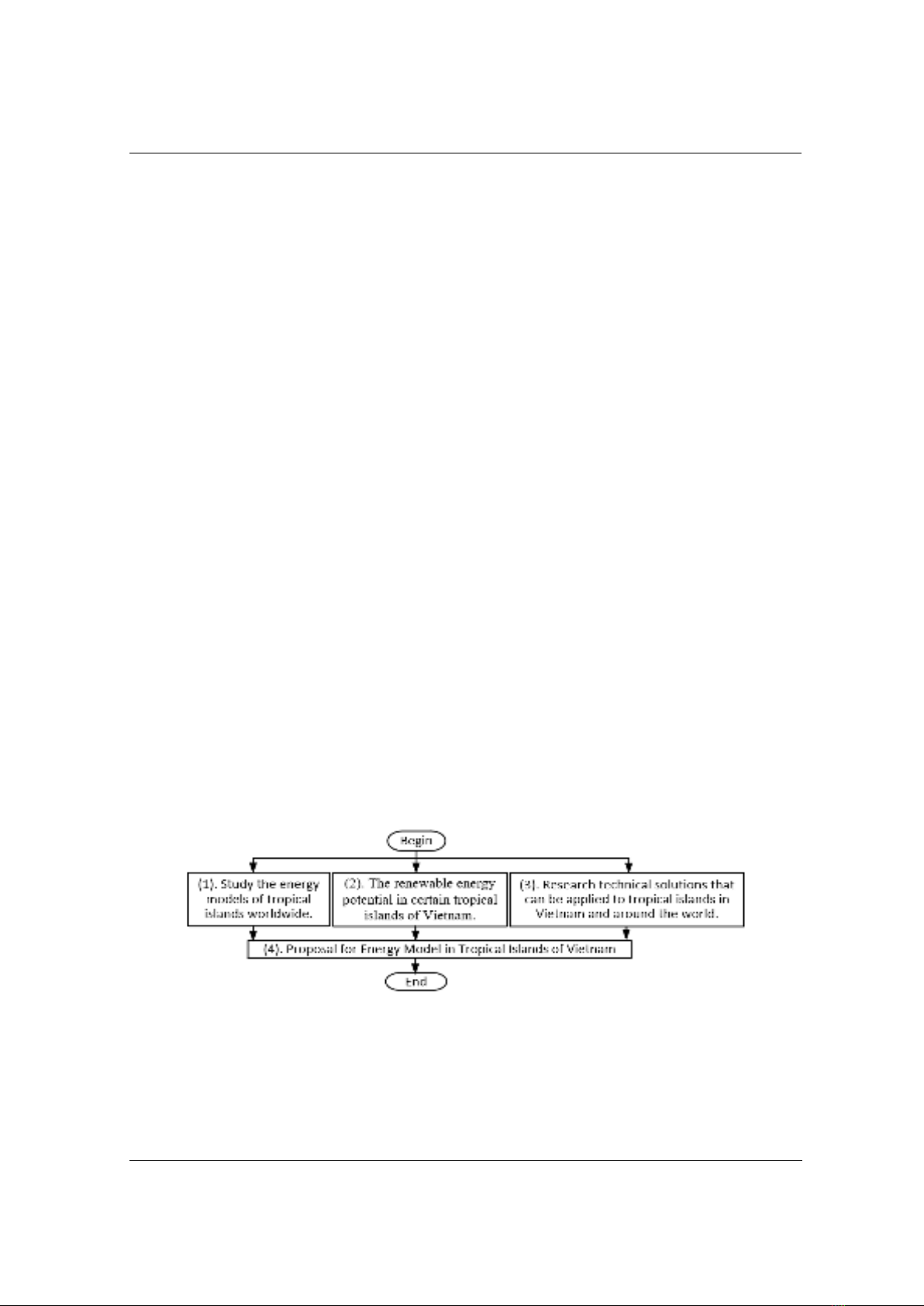
The diagram illustrating the construction of the energy model for tropical islands in Vietnam
is presented in Figure 4.
Figure 4. Flowchart of the energy model research for tropical islands in Vietnam
3.1. The renewable energy potential in certain tropical islands of Vietnam
3.1.1. Researching the potential for generating electricity from solid waste on islands
To assess the possibility of generating electricity from solid waste on islands, the research
team chose Phu Quoc for its accessible data infrastructure. Despite hosting diverse businesses,
such as manufacturing and tourism services, Phu Quoc currently lacks a standardized waste
TNU Journal of Science and Technology
229(06): 149 - 159
http://jst.tnu.edu.vn 153 Email: jst@tnu.edu.vn
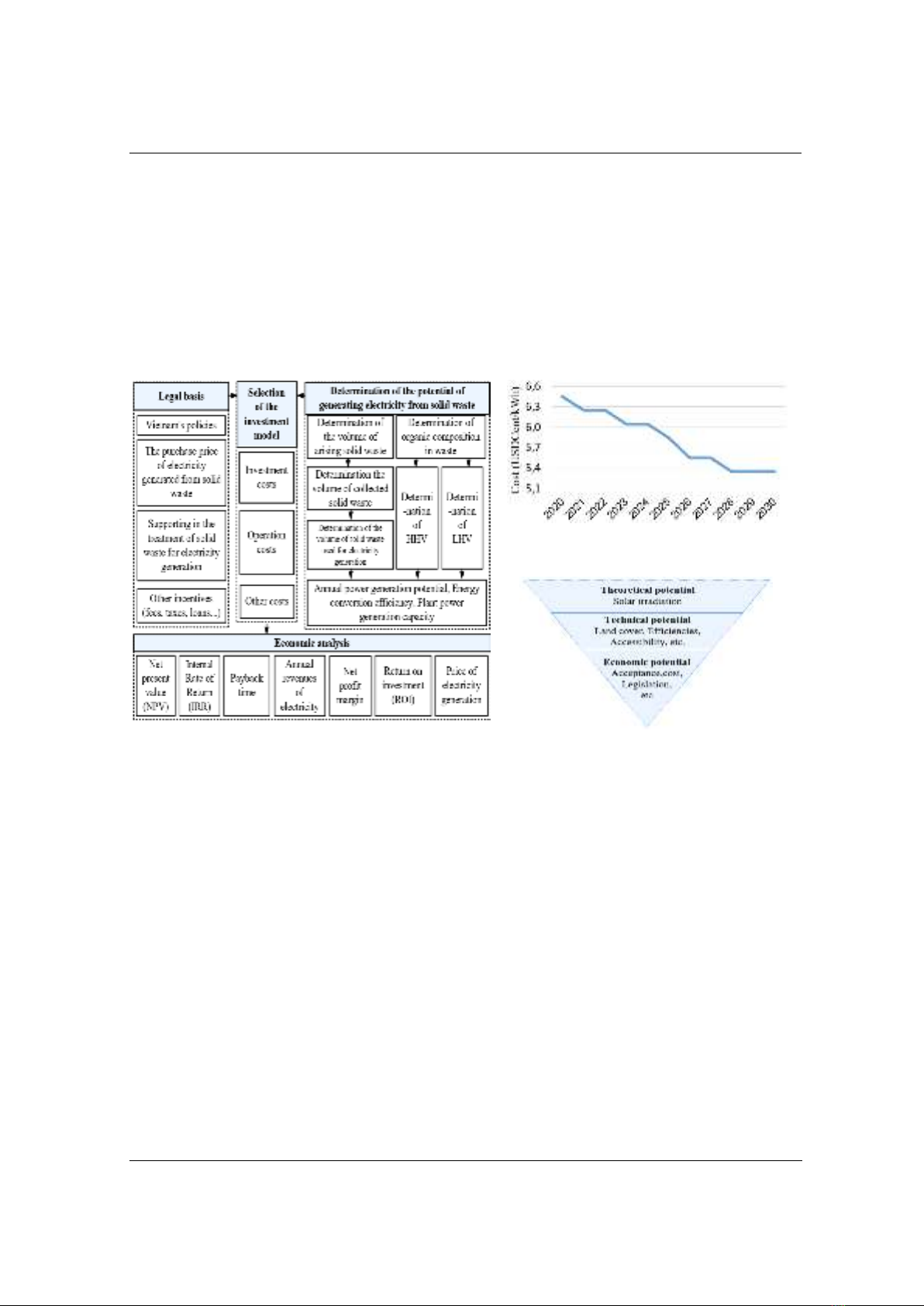
management system, leading to environmental pollution. The prospect of generating electricity
from solid waste on Phu Quoc Island is outlined in Figure 5 [12].
Harnessing energy from waste materials, specifically generating electricity from solid waste,
involves tapping into the stored energy in organic matter. The research findings reveal that the
potential for electricity generation from urban solid waste in Phu Quoc could reach a capacity
ranging from 4.7 to 7.0 MW between 2020 and 2030. The associated electricity costs fluctuate
from 6.4 to 5.4 cents/kWh between 2020 and 2030, as depicted in Figure 6 [12].
Therefore, it can be concluded that the potential for electricity generation from urban solid
waste in Phu Quoc is highly feasible, and in other similar tropical islands with comparable
economic conditions and population, the exploitation of electricity generation potential from
solid waste is also viable.
Figure 6. Cost of electricity generation from
solid waste [12]
Figure 7. Potential of solar energy using
the top-down approach [13]
Figure 5. Schematic of feasibility of producing
electricity from urban waste
3.1.2. Researching the solar power potential on islands
Similarly, for researching the solar power potential on islands, the authors selected Phu Quoc
due to the advantages of available data infrastructure. The potential for solar power generation
was investigated based on considerations of geographic location, solar radiation levels, land area,
building structures, and more, which could be used for solar panel installation. To systematically
calculate the photovoltaic potential, the research team employed a top-down approach, as
illustrated in Figure 7 [13]. The theoretical solar potential was computed using mathematical
function (1). The process for studying the solar power potential on the island is outlined in Figure
8, enabling the determination of total solar radiation energy and theoretical solar power
generation potential within the surveyed area.
In the scope of the research, the research team utilized commonly available photovoltaic
technologies in Vietnam with an efficiency of 16.30%. Subsequently, they assessed the economic
and technical feasibility of solar power generation for different scales, including 5 kWp, 10 kWp,
30 kWp, 100 kWp, and 300 kWp in Phu Quoc [14]. The research team also proposed three solar
power development scenarios, namely Scenario (1) - Low-level solar power development,
Scenario (2) - Moderate-level solar power development, and Scenario (3) - High-level solar
power development for Phu Quoc. These scenarios were aligned with the government's Phu Quoc
development plan until 2030, and the results are presented in Table 3.








![Bài tập trắc nghiệm Kỹ thuật nhiệt [mới nhất]](https://cdn.tailieu.vn/images/document/thumbnail/2025/20250613/laphong0906/135x160/72191768292573.jpg)
![Bài tập Kỹ thuật nhiệt [Tổng hợp]](https://cdn.tailieu.vn/images/document/thumbnail/2025/20250613/laphong0906/135x160/64951768292574.jpg)

![Bài giảng Năng lượng mới và tái tạo cơ sở [Chuẩn SEO]](https://cdn.tailieu.vn/images/document/thumbnail/2024/20240108/elysale10/135x160/16861767857074.jpg)


