FACTORS AFFECTING THE QUALITY OF SOYBEAN/BLACK
SESAME CONDENSED MILK
Ho Thi Ngoc Nhung1*, Nguyen Thi Thuy Duyen1, Lai Thi Hien1, Huynh Thi Thuy Loan1,
Lai Nguyen Uy Thy1, Dinh Thi Cam Lien1
ϭDong Nai Technology University
*Corresponding author: Ho Thi Ngoc Nhung, hothingocnhung@dntu.edu.vn
1. INTRODUCTION
Soy milk is extracted from soybeans. Soy
milk contains the same amount of protein and
fat as cow’s milk, and it does not contain sugar,
lactose, or cholesterol. Therefore, it is
considered a healthy drink and is a popular
alternative to milk for milk-intolerant
populations (W. Shurtleff, A. Aoyagi et al.,
2007).
Soy products provide a dairy replacement
for developing communities while enriching
the protein to yield a high-value protein
concentration with tremendous economic
potential in the food industry (Friedman et al.,
2001; Mazza et al., 1998). Soy products can
play an important and positive role in
improving our health when they are
incorporated into our diet.
Soy products should benefit cardiovascular
and overall health because of their high content
of polyunsaturated fats, fiber, vitamins and
minerals, and low levels of saturated fat (F.M
Sacks et al., 2006).
In 1999, based on results from 50
independent studies, the US Food and Drug
Administration (FDA) announced: “A diet low
in saturated fat and cholesterol that consists of
25 grams of soy protein a day will reduce the
risk of cardiovascular disease.” A University of
Kentucky study, after an analysis of over 38
independent studies, the New England Journal
of Medicine concluded: Consuming an average
of 47 grams of per soy protein will reduce 9.3%
total cholesterol, 12.9% low-density cholesterol
(LDL-cholesterol), and 10.5% triglycerides.
We know that a 1% reduction in total
GENERAL INFORMATION
ABSTRACT
Received date: 23/02/2024
The materials used in the processing of soybean-black sesame
condensed milk contribute to the creation of products with
high nutritional value as well as a variety of products. In this
study, we investigated the blend ratio
of soybeans: black
sesame was 8/2; 7/3; 6/4; 5/5; 4/6; milk to sugar was 8/2; 7/3;
6/4; 5/5; 4/6; and milk is assimilation level 500bar, 1000bar,
1500bar. After examining the blend ratio of ingredients used
in the blending, as follows: The soybean: black sesame ratio is
7:3, a product with a protein content of 14.04%, a fat content
of 24.67%, and a total sugar content of 20.75%; the blend ratio
of condensed milk:sugar is 5/5, resulting in a product with 63
oBx; and the product supplemented with 0.09% xanthan gum
and 500 bar assimilation achieves high sensory value.
Revised date: 23/03/2024
Accepted date: 17/04/2024
KEYWORD
Condense;
Soybean;
Black sesame;
Milk.
66
cholesterol reduces a 2-4% risk of
cardiovascular disease (Le Thi Thuy et al.,
2010; O. Akouma et al., 2006).
Defatted soy flour and grains, soy protein
concentrate, soy protein isolate, and soy and
soy oil are just a few of the relatively advanced
processing techniques that have helped soy
products develop in the West for decades.
Today, soy foods have become a part of Asian
culture. From the soy, it is processed into foods
such as soy milk, tofu, soy sauce, miso, natto,
etc. (Bainy E. M. et al., 2008; Alibhaia Z. et al.,
2006; B. M. Miller et al., 2012).
Lignans are a group of plant phenolic
compounds that are synthetic derivatives of
phenylpropanoids. (Ayres, Loike et al., 1990;
Cunha et al., 2012; Durazzo et al., 2013;
Ilkington et al., 2018). Several studies suggest
that the diet of lignans can prevent many
diseases, such as breast cancer, colon cancer,
cardiovascular disease, menopausal symptoms,
and osteoporosis (Durazzo et al., 2013; Landete
et al., 2012).
Lignans are found in most oily seeds and
nuts, as well as fiber-rich plants, including
grains such as wheat, barley, oats, and sesame
seeds. Sesame is a major source of lignans that
have been shown to have different biological
activities (Bedigian et al., 2010). Sesame
(Sesamum notifyum L.) is one of the most
important oilseed crops in the world because of
its high lipid content (Shyu, Hwang et al.,
2002). It is not only a raw material for cooking
oil; it is also widely used in food processing and
as a raw material for confectionery products
(Namiki et al., 1995).
Sesame seeds are a nutritious, healthy food
in eastern countries and have the effect of
promoting the health of sesame (Shyu, Hwang
et al., 2002).
2. METHODOLOGY
2.1. Materials
To ensure the quality and clear origin of
soy and black seame from the VIETSAN
company in Vietnam, choose the best type that
has been removed from small sizes, insects,
impurities, and harvested soybeans for 3 - 4
months.
2.2. Methods
Soybean seeds are cleaned, impurities
removed, soaked for 8 hours, and peeled.
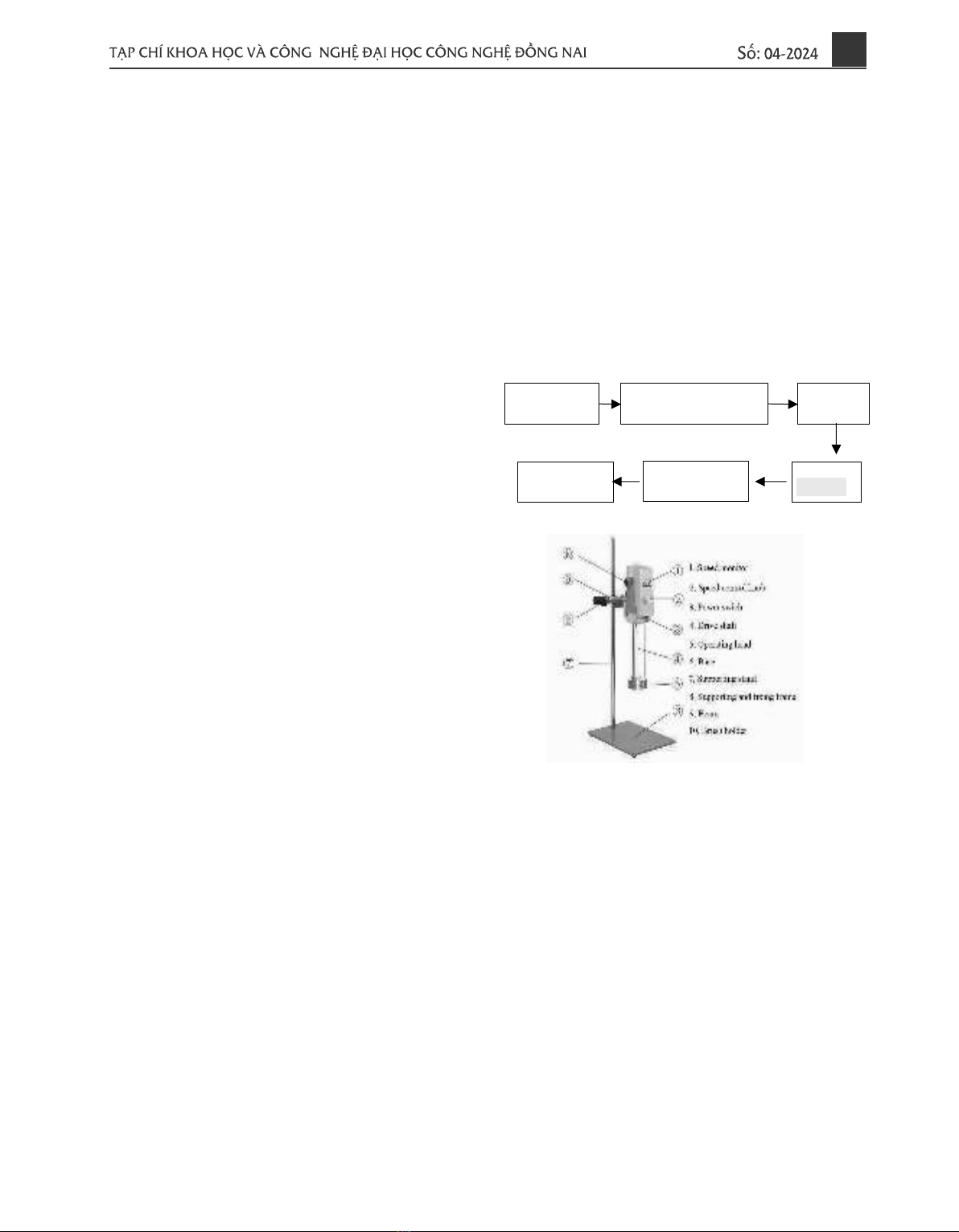
Product manufacturing process diagram and
homogenization equipment are in figure 1, 2.
Figure 1. Product manufacturing process diagram
Figure 2. Homogenization equipment
The experiment was arrangerd in the blend
ratio of soybeans: black sesame was 8/2; 7/3;
6/4; 5/5; 4/6, survey the blend ratio of milk:
sugar is 8/2; 7/3; 6/4; 5/5; 4/6. The experiments
based on Brix and sugar content, protein
content, fat content to give reasonable
parameters for processing milk concentrate
from soybean. Determination of total protein
content is the kjeldahl method. Method for
Determination of fat content is a soxhlet
extraction.
3. FINDINGS AND DISCUSSION
3.1. Effect of soybean/black sesame ratio to
condensed milk quality
Ingredient
Soaked and peeled
Grinded
Filtered
ConcentratĞĚ
e
AssimilateĚ
67
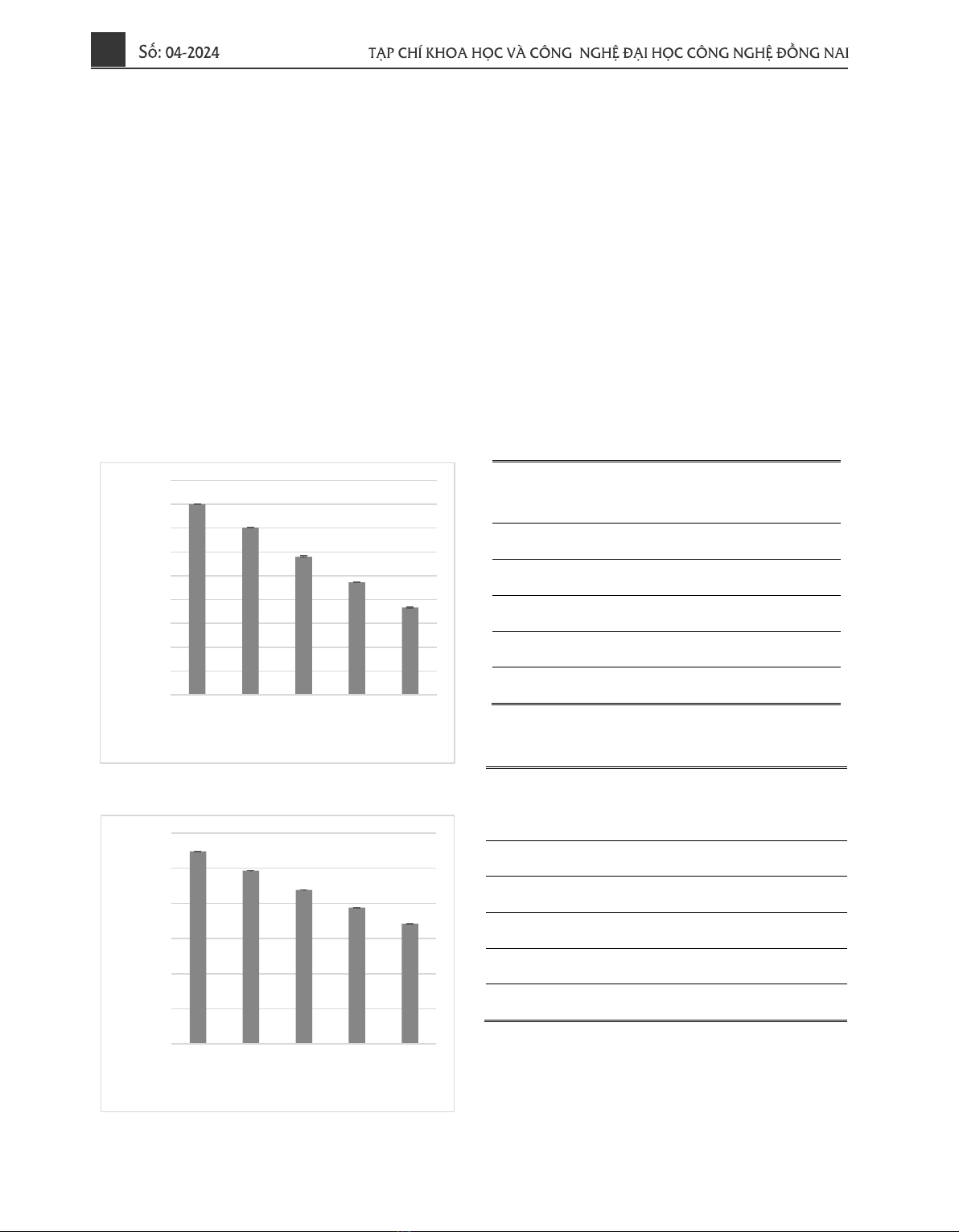
From Figure 3, when increasing the
proportion of black sesame, the total protein
increases gradually. The protein content
obtained gradually decreased from the ratio of
8:2. The cause of the above change was because
the protein content of soybeans was greater than
the protein content of black sesame. So, when
adding a soybean/black sesame ratio of 8/2, the
total protein content is higher than the ratio of
7/3, 6/4, 5/5, and 4/6. The result was an increase
in the proportion of sesame seeds, a decrease in
the protein content (Fellows P. J. et al., 2000).
On the other hand, When adding more black
sesame, the color of the product will improve,
and the fat content will also be higher.
Figure 3. Effect of the soybean/black sesame
blend ratio on protein content
Figure 4. Effect of soybean/black sesame blend
ratio on fat content
When increasing the proportion of black
sesame, the amount of total fat increases
gradually. From Figure 4, If the amount of
black sesame added according to the
soybean:black sesame ratio is 4/6, 5/5, the
characteristic taste of soybeans will be affected.
At normal temperature, the product will be
easily defatted, spoil, and affect the sensory
quality (Vu Binh Duong et al., 2015; Fellows et
al., 2000). At a ratio of 8/2, the product color is
not much improved, and the obtained
nutritional value is not high.
Table 1. The difference in soybean/black sesame
blend ratio to total sugar content
Soybean/black
seame ratio
Total sugar content
(%)
8/2 22.79a ±0.03
7/3 20.75b ±0.04
6/4 18.49c ±0.01
5/5 16.76d ±0.24
4/6 14.54e 0.05
Table 2. Differences in soybean/black sesame
blend ratio to sensory mean
From Table 1 and Table 2, when increasing
the proportion of black sesame, the total sugar
increases gradually. The sugar content obtained
from the ratio of 8/2, the cause of the above
change because the sugar content of soybeans
0
2
4
6
8
10
12
14
16
18
8/2 7/3 6/4 5/5 4/6
Protein content (%)
Soybean/black sesame ratio
0
5
10
15
20
25
30
8/2 7/3 6/4 5/5 4/6
Fat content(%)
Soybean/black sesame ratio
Soybean/black
sesame ratio
Sensory point
Color Structure Taste
8/2 4.06a
1.13e 0.20e
7/3 3.00b 1.86d 0.80d
6/4 2.00c 3.06c 2.06c
5/5 1.00d 4.00b 3.13b
4/6 0.01e 4.93a 4.13a
68
is greater than the sugar content of black
sesame. So, when adding a soybean/black
sesame ratio of 8/2, the total protein content is
higher than the ratio 7/3, 6/4, 5/5, 4/6. So in this
experiment, we chose the 7/3 soybean/black
sesame ratio as the most appropriate ratio
because, when adding a lot of black sesame, the
color of the product will improve and the
nutritional content will be higher.
3.2. Influence of the sugar blending ratio on
product quality
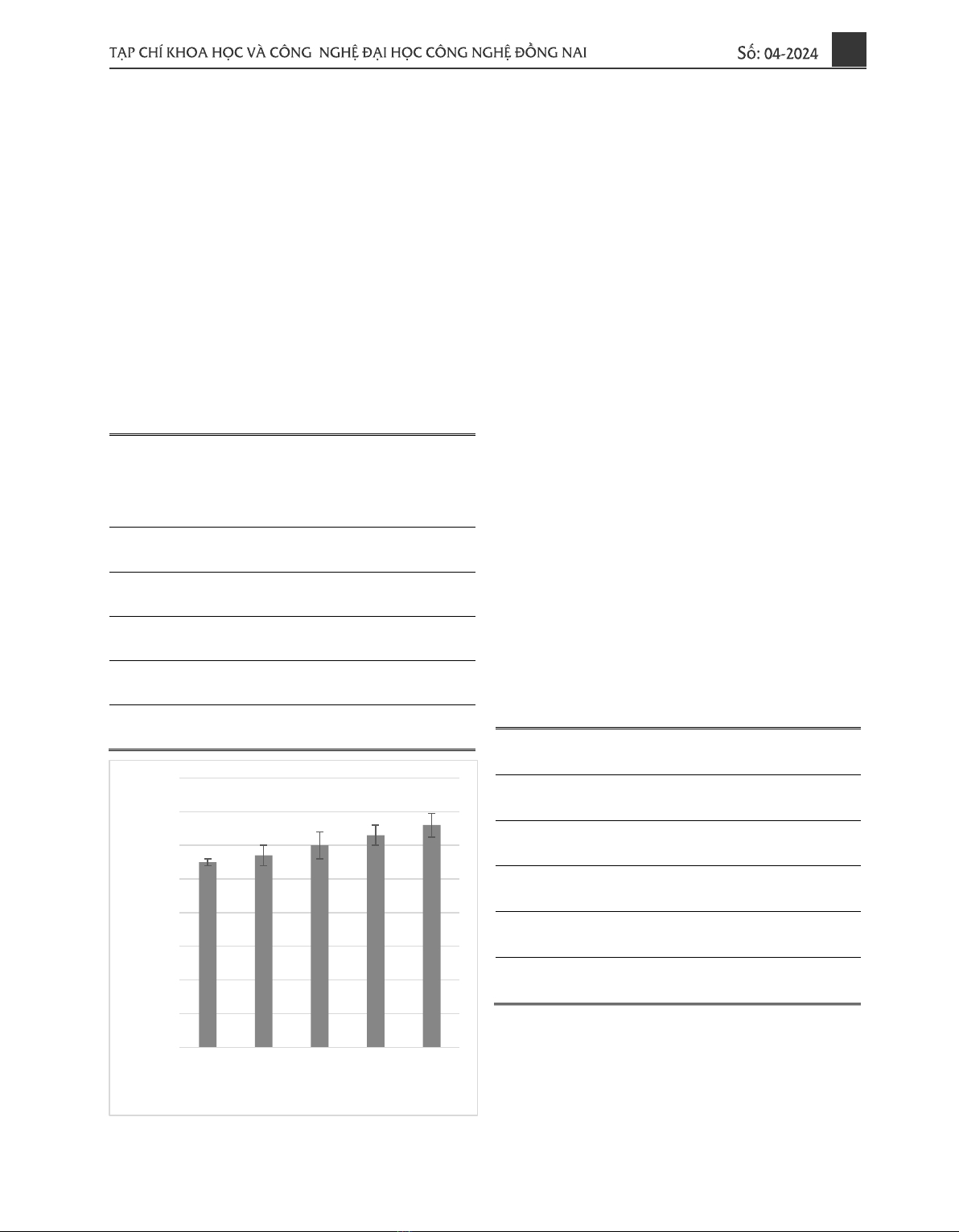
Table 3. Difference in sugar mixing ratio to
sensory mean score
Figure 5. Effect of sugar blending ratio on product
From the results of Figure 5 and Table 3,
we see that the Brix level increases with an
increasing sugar ratio. The ratio 4/6 gives the
highest Brix level, but the color of the product
is greatly affected, similar to Brusentsev and
Maslov’s research; too much sugar during
condensation will cause darkening (Brusentsev,
Maslov et al., 1982). In addition, when adding
too much sugar, there is foam because the sugar
does not dissolve completely in the product
(Thomas et al., 2001). On the contrary, if
adding sugar in a small ratio of 8/2, 7/3, and 6/4,
the sweetness will reduce the storage time, have
a low viscosity, and not be consistent with the
criteria for condensed milk products, Robinson
asserts that using sugar to increase shelf life is
not a substitute for raw milk, so use the
appropriate amount (Robinson et al., 2002).
Choose a ratio of 5/5 as the most suitable ratio
of added sugar.
3.3. Effect of mixing ratio xanthan gum
Table 4. The difference in the mixing ratio of
xanthan gum additives to the sensory average
From Table 4, we see that the higher the
mixing ratio of xanthan gum, the higher the
viscosity. But if you choose a mixing ratio of
0.1%, the milk will be too thick, causing
difficulties in the preservation and use
0
10
20
30
40
50
60
70
80
8/2 7/3 6/4 5/5 4/6
Brix (oBx)
Milk/sugar mixing ratio
Milk/sugar
mixing
ratio
Sensory point
Color Structure Taste
8:2 4.86a 4.86a 1.00e
7:3 4.00b 4.33a 1.86d
6:4 2.93c 2.93b 2.93c
5:5 1.80d 1.93c 4.00b
4:6 0.93e 0.93d 4.86a
The ratio of xanthan gum Structure
0.06% 1.13e ±0.01
0.07% 1.80d ±0.02
0.08% 2.93c ±0.01
0.09% 4.06b ±0.03
0.1% 4.80a ±0.02
69
processes and affecting the sensory quality.
Choosing the mixing ratio of 0.06%, 0.07%,
and 0.08% degrees of Brix is low. So choosing
the optimal rate of mixing xanthan gum of
0.09% is the appropriate rate.
3.4. Effect of the assimilation level on the
product
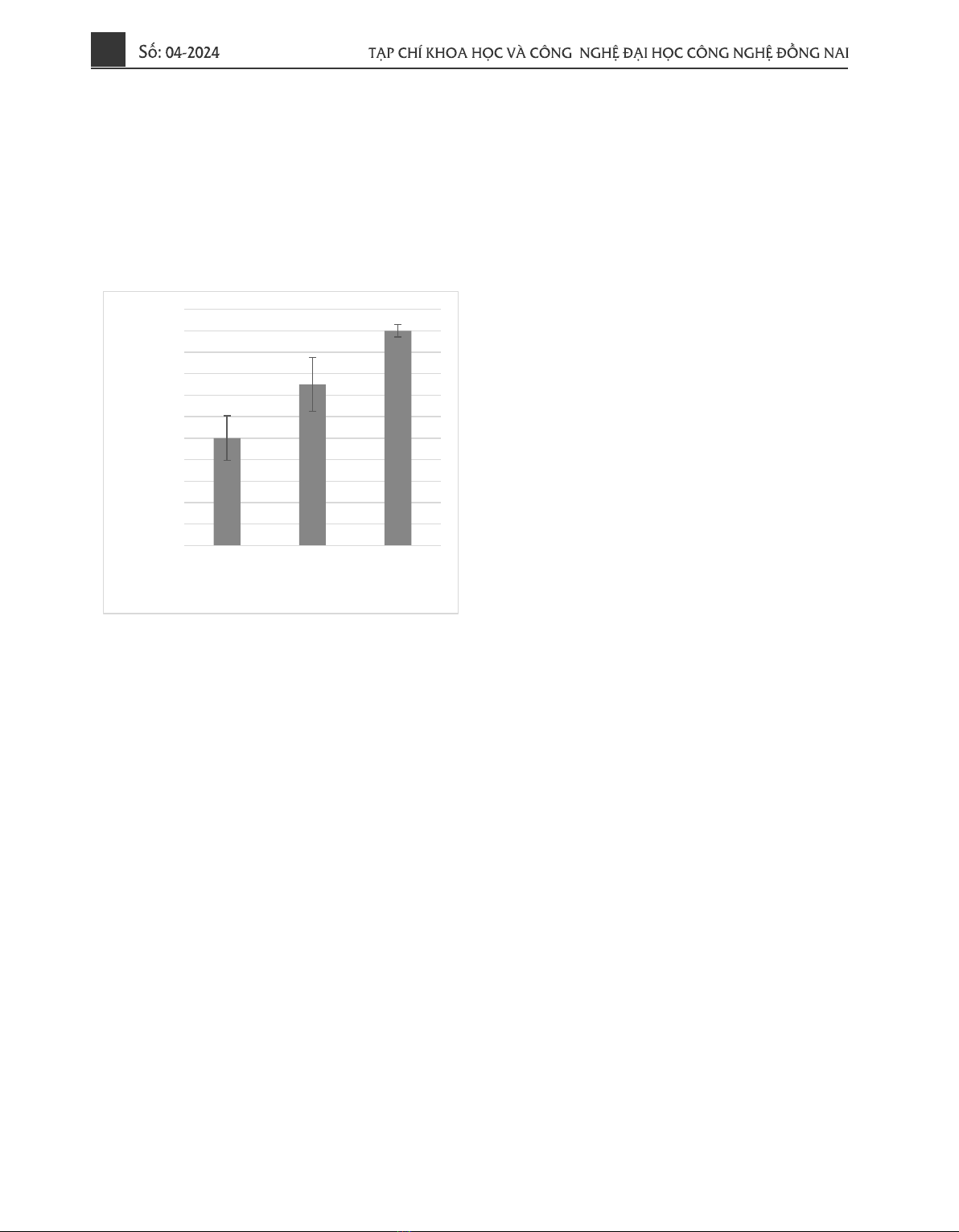
Figure 6. Effect of assimilation on the product
From the result of Figure 6, we see that the
Brix level of the product increases gradually
with the homogenization level from 500 bar,
1000 bar, to 1500 bar, but if homogenized at
high pressure, it will cause the milk to burn and
foam. An anabolic level of 500 bar is an
appropriate level of anabolism that reduces the
size of the fat globules, helps them distribute
them evenly in milk fat, makes milk
homogeneous, increases the quality of milk,
and increases milk storage time because when
assimilating milk for longer than 6 months, the
milk will not be dehydrated.
4. CONCLUSION
The ratio of soybean blending with black
sesame is 7/3, the ratio of sugar mixed with 5/5,
and the product has high sensory value. The
results of the topic are the process of processing
soy condensed milk; black sesame contributes
to the diversification of condensed milk lines,
meeting the current market demand for dairy
products. To increase the sensory value of the
product, it is necessary to explore adding the
ingredients of the blended seeds to the formula
of condensed milk.
REFERENCES
Alibhaia Z., Mondorb M., Moresolia C.,
Ippersielb D., Lamarcheb F. (2006),
"Production of soy protein
concentrates/isolates: traditional and
membrane technologies", Desalination,
Vol. 191, pp. 351-358.
Ayres, D. C., & Loike (1990), Lignans:
Chemical, biological and clinical
properties. New York: Cambridge
University Press978-052-10-6543-6.
B. M. Miller , A. Sauer , and C. I. Moraru
(2012), “Inactivation of Escherichia coli
in milk and concentrated milk using
pulsed-light treatment”, Department of
Food Science, Cornell University,
Stocking Hall, Ithaca, NY 14853.
Bainy E. M., Tosh S. M., Corredig M., Poysa
V., Woodrow L. (2008), "Varietal
differences of carbohydrates in defatted
soybean flour and soy protein isolate by-
products", Carbohydrate Polymers, pp.
664-672.
Bedigian (2010), D. Sesame: The genus
Sesamum. Boca Raton, FL, USA: CRC
Press978-084-93-3538-9.
Brusentsev, A.A, and Maslov, A.M.; Alekseev,
N.G. and Ladur, T.A. (1982) Method of
producing sweetened condensed milk.
Dairy Sci. Abstrs., 45(1) : 13.
64
64.2
64.4
64.6
64.8
65
65.2
65.4
65.6
65.8
66
66.2
500 1000 1500
Brix (oBx)
The level of assimilation (bar)
70