Hue University Journal of Science: Economics and Development
pISSN 2588-1205;eISSN 2615-9716
Vol. 134, No. 5S, 2025, pp. 55–71, DOI: 10.26459/hueunijed.v134i5S.7653
EWOM IN THE TOURISM AND HOSPITALITY INDUSTRY:
A BIBLIOMETRIC ANALYSIS USING CITESPACE
Vu Dinh Hoa1, 2 *, Tran Huu Tuan2, Nguyen Thi Ngoc Anh3, Doan Van Tuan1
1 School of Interdisciplinary Sciences and Arts, Vietnam National University, 144 Xuan Thuy, Dich Vong,
Cau Giay, Hanoi, Vietnam
2 School of Hospitality and Tourism, Hue University, 22 Lam Hoang St., Hue, Vietnam
3 University of Labour and Social Affairs, 43 Tran Duy Hung, Trung Hoa, Cau Giay, Hanoi, Vietnam
* Correspondence to Vu Dinh Hoa <vdhoa.dl24@hueuni.edu.vn>
(Submitted: October 15, 2024; Accepted: February 3, 2025)
Abstract. A thorough literature review is essential for systematizing and evaluating prior studies, as it helps
identify knowledge gaps and guide future research directions. This study employs the CiteSpace
scientometric analysis tool to comprehensively assess the academic works on eWOM in the tourism and
hospitality industry. The bibliometric analysis, based on 932 articles indexed in the Web of Science Core
Collection and Scopus from 2000 to September 2024, reveals that eWOM profoundly impacts activities
within the tourism and hospitality sectors. Four major research themes are identified, including studies on
the role and relationship of eWOM with tourists' decision-making, eWOM and sustainable tourism, eWOM,
and new technological applications in the tourism and hospitality industries. Additionally, the study
suggests future research directions, emphasizing the need to explore further the impact of emerging
technologies, social media platforms, and consumer psychology on behavior in the tourism and hospitality
sectors.
Keywords: eWOM, bibliometric analysis, tourism and hospitality, CiteSpace
1 Introduction
In the rapidly evolving landscape of the Internet and digital technology, electronic word-of-
mouth (eWOM) has become a critical factor influencing global consumer decisions and
purchasing behaviors [1]. eWOM is the sharing of information, opinions, and experiences about
products or services by consumers through electronic channels, particularly online platforms and
social media [2]. The dissemination of information via eWOM is swift and widespread,
transcending geographical and temporal boundaries and creating a vast pool of information for
consumers.
In the tourism and hospitality industry, eWOM is vital in shaping tourists' perceptions and
expectations, directly influencing their choice of destinations, accommodations, and related
services [3]. Given the intangible nature and the inability to experience tourism and hospitality
products before purchase, consumers face higher perceived uncertainty and risk than tangible
products [4]. As a result, tourists tend to seek advice, reviews, and discussions from those who

Vu Dinh Hoa et al.
Vol. 134, No. 5S, 2025
56
have already experienced the services through eWOM to reduce uncertainty and enhance trust
in their decision-making process [5]. Accessing real-life experiences and objective reviews from
the community helps mitigate risks and leads to more informed decisions [6]. eWOM provides
detailed information about service quality, pricing, reliability, and customer satisfaction, offering
tourists a comprehensive view of the products or services they are considering [7].
The volume of research on eWOM in the tourism and hospitality industry has steadily
increased. With this surge in studies, it has become essential to examine the characteristics of
existing publications and capture emerging trends, which have garnered significant attention
from researchers. Analyses of previous literature reviews reveal substantial differences in the
breadth and depth of focus. Most prior studies concentrated on general overviews of online
reviews or social media in tourism and hospitality [4, 8, 9, 10]. Due to the differences in the scope
and depth of focus in previous literature reviews, only a few reviews directly focus on eWOM in
the hospitality and tourism sectors. As a result, this field has yet to be fully explored.
Furthermore, compared to earlier reviews addressing the same scope, our study differentiates
itself by the tools used and the stage and data sources analyzed. Therefore, our research
contributes new findings not identified in previous reviews. For example, the study by Kumar
and Wadhwa [11] examined 695 studies on eWOM in the tourism industry from 2001 to 2021
using VOSviewer and RStudio. The research identified four main aspects: e-WOM dimensions,
e-WOM in tourism, performance analysis, and science mapping analysis. Through co-occurrence
analysis of keywords, the study identified two major thematic areas regarding eWOM aspects
and how eWOM influences tourists' decision-making and business activities. In contrast, our
research, by conducting a co-occurrence analysis using authors' keywords, identified four more
specific thematic research groups, including topics related to sustainable tourism, trust in the
context of eWOM, and online information sharing—areas not covered by Kumar and Wadhwa.
Additionally, compared to earlier reviews, the use of CiteSpace has been relatively limited;
however, CiteSpace is a powerful bibliometric analysis tool that enables the visualization and
analysis of the structure of scientific studies, helping to identify trends, emerging topics, and gaps
in current knowledge [12].
The objective of this study is to utilize CiteSpace to conduct a bibliometric analysis of
eWOM research in the tourism and hospitality industry, thereby addressing the following
research questions: (1) What are the current research findings on eWOM in the tourism and
hospitality industry? (2) What are the future research trends in this field? (3) What knowledge
gaps still need to be explored? By synthesizing and evaluating the existing body of research, we
aim to provide managers, tourism business practitioners, and researchers with a tool for
analyzing the research network (including countries, organizations, authors, and journals) and
identifying key research areas that require further exploration in the future.

Jos.hueuni.edu.vn
Vol. 134, No. 5S, 2025
57
2 Data and Research Tools
2.1 Data Sources and Selection Process
This study utilizes data from the Web of Science Core Collection, specifically indexed by
the Science Citation Index Expanded (SCIE) and Social Sciences Citation Index (SSCI), as well as
databases from Scopus. Given that data from Web of Science (WoS) and Scopus are widely used
and globally recognized, these indexes are considered reputable and ensure that the research
findings are more representative and credible [10, 13, 14].
To ensure the accuracy of search results and analysis, we followed a strict search protocol
by entering the following information on the WoS and Scopus search pages:
1. Keywords ("Electronic Word of Mouth" OR "eWOM" OR "E-WOM" OR "ewom") AND
"tourism"
2. Document type: "Article"
3. Language: "English"
4. Publication date range: From "January 1, 2000" to "September 1, 2024"
After searching, 1,026 articles were retrieved (366 from Scopus and 660 from WoS). Two
independent members screened the titles, abstracts, and content of the articles according to the
following criteria: (i) The data must explicitly reflect the impact of eWOM in the tourism and
hospitality industry or explain the relationship between eWOM and factors relevant to the
tourism and hospitality sectors, and (ii) The data must contribute to research on eWOM within
the tourism and hospitality industry. Irrelevant studies were excluded, and a third member was
consulted in cases of disagreement to make a final decision. After screening, the number of
articles included in the analysis is 932. This ensured the accuracy and validity of the data.
2.2 Research Tools
Various software tools are available to perform bibliometric analysis, each with advantages and
limitations [15]. In this study, we selected CiteSpace due to its superior features compared to
other software [12, 16]. CiteSpace offers unique functionalities, including: (i) Multidimensional
analysis: CiteSpace provides clustering analysis, keyword evolution, and co-citation network
analysis, enabling users to evaluate relationships in the literature from multiple perspectives,
thus highlighting potential research trends and the development of knowledge. (ii) Visualization
of results: The results are displayed as visual clusters, making it easier to interpret the
relationships, evolution, and research structure in a clear and comprehensible manner. (iii)
Handling large datasets: CiteSpace can process large-scale databases, supporting complex
quantitative analysis and ensuring the reliability and reproducibility of research findings [16].
Vu Dinh Hoa et al.
Vol. 134, No. 5S, 2025
58
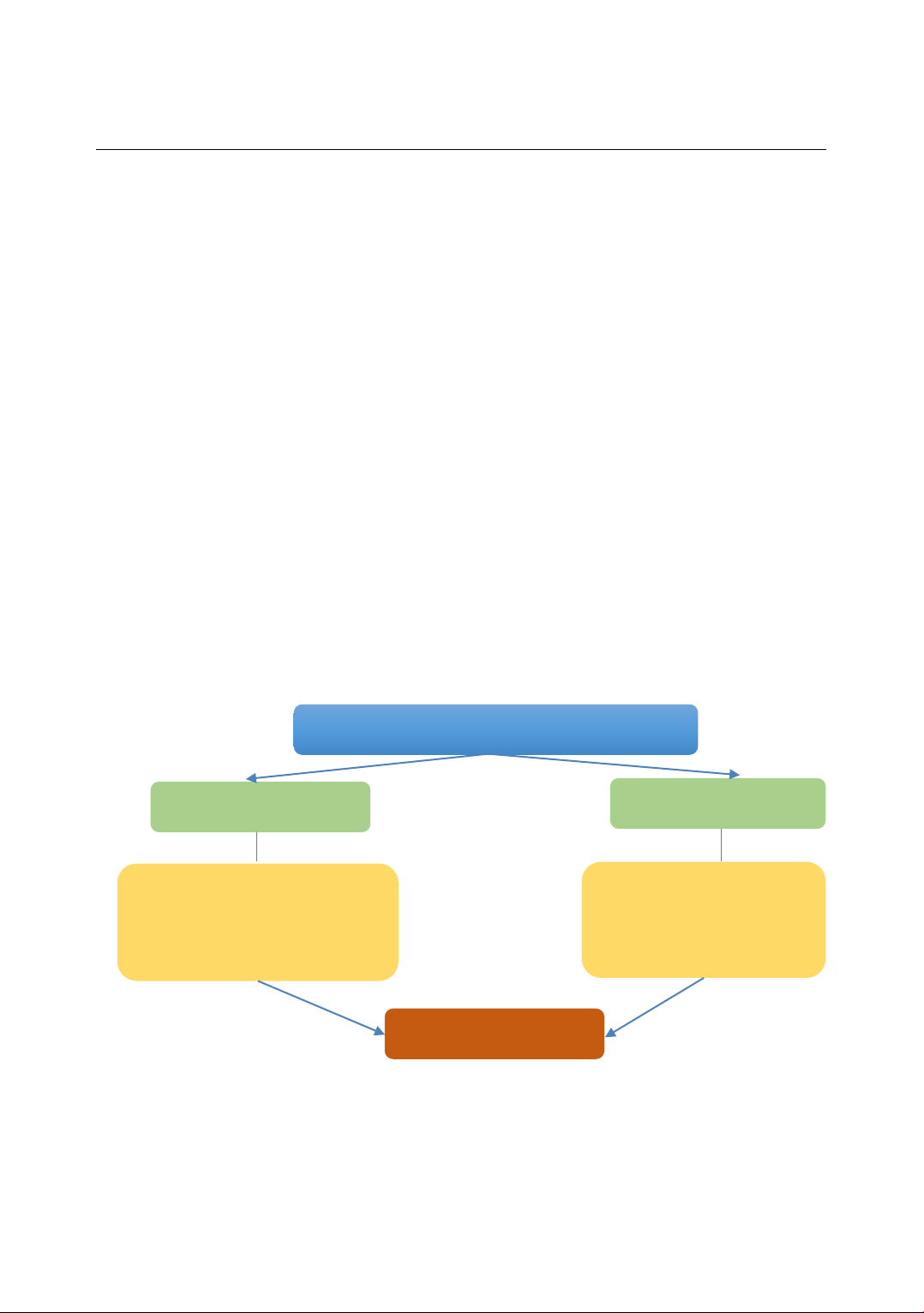
This study used CiteSpace to perform a visual bibliometric analysis of literature related to
eWOM in the tourism and hospitality sectors. The analysis process included the following steps
(Figure 1): (i) Import data files containing articles extracted from Web of Science and Scopus, then
remove duplicates to obtain the final dataset from 2000 to 2024; (ii) Select a time range from
January 2008 (no publications were found between 2000 and 2008) to September 2024, and set
each time slice to one year. Text processing terms were selected from titles, abstracts, author
keywords, and expanded keywords. The selection criterion was set to the top 25, meaning that
the 25 most frequently cited or appearing items from each time slice were chosen. To improve
processing efficiency and enhance the clarity of the visualizations, we applied data pruning
options such as Pathfinder, Pruning Sliced Networks, and Pruning the Merged Network; (iii)
Select nodes representing authors, organizations, and countries to create visual collaboration
networks, illustrating collaborative relationships among these nodes and identifying the most
influential stakeholders in eWOM research in tourism and hospitality; (iv) Select nodes
representing cited references, authors, and journals to gather information about the co-citation
status in this field; (v) Select nodes representing keywords to create a co-occurrence keyword
network, allowing us to understand the research development, current hotspots, and potential
turning points; (vi) The analysis of each segment provides an integrated and comprehensive view
of eWOM research in the tourism and hospitality industry, enabling us to establish a knowledge
framework and forecast future research directions or critical focus areas [16, 17].
Figure 1. Study steps
eWOM in hospitality and tourism
Basic Information
Co-occurrence
Publication Number
Publication Journal
Publication Category
Keyword
Research Hotspots
Keyword Burst
Future Directions
Jos.hueuni.edu.vn
Vol. 134, No. 5S, 2025
59
3 Research Results
3.1 Descriptive Analysis
Number of Studies Over Time
The publication status of articles is often regarded as a critical indicator to measure the progress
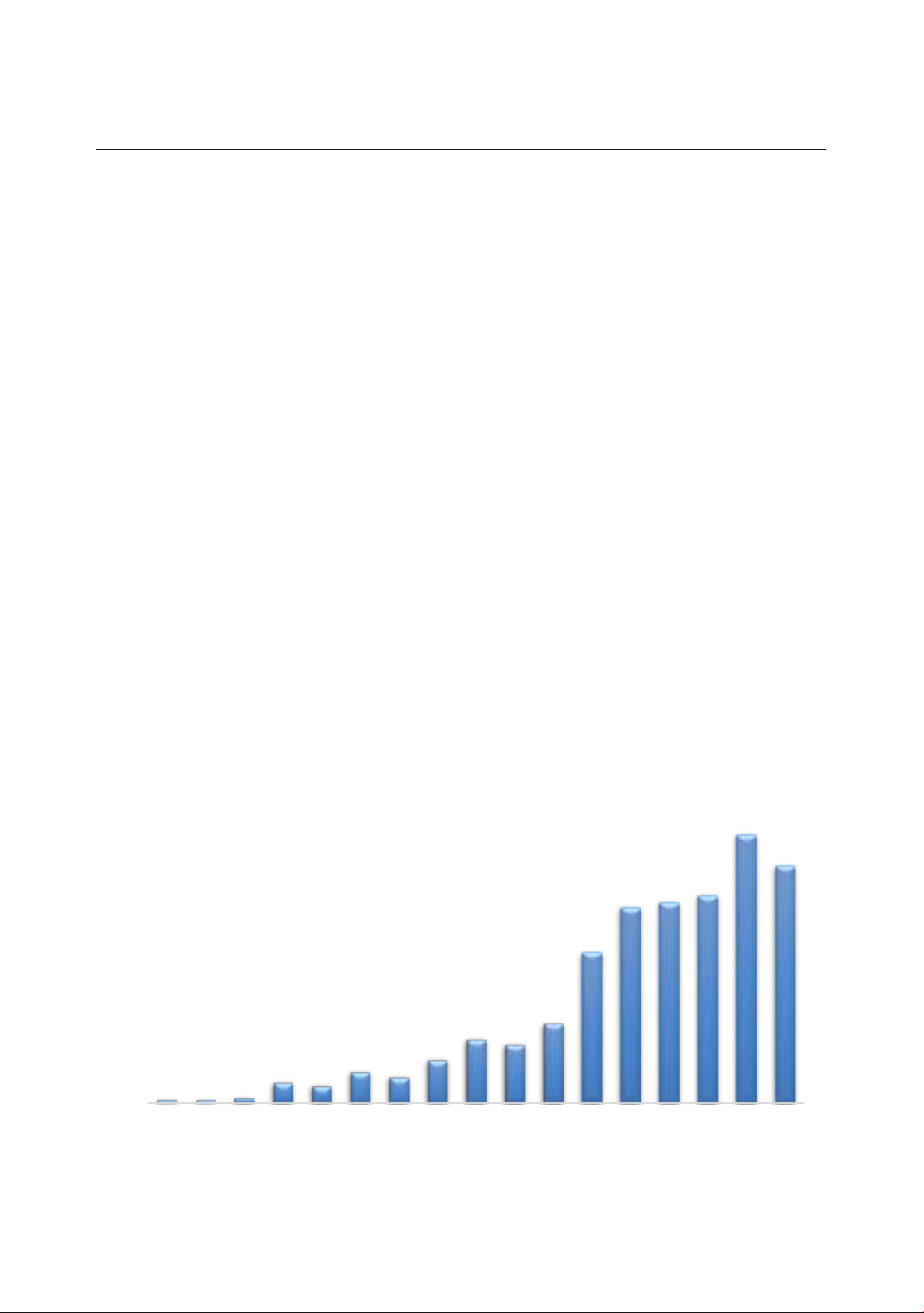
and level of interest in a particular research topic [14, 33]. Figure 2 presents the publication status
of 932 articles on eWOM in the hospitality and tourism industry from 2008 to September 2024.
The annual number of publications exhibits cyclical characteristics and can be divided into
three distinct periods: (1) 2008-2010, (2) 2011-2018, and (3) 2019-2024. In the first period (2008-
2010), this research area was still in its infancy, with only seven articles (0.75%) published. During
the second period (2011-2018), 197 articles (21.13%) were published, indicating moderate growth
compared to the initial phase. The rapid development of the Internet contributed to the expansion
of eWOM, and its role in tourism and hospitality began to attract increasing attention [14, 18].
The third period (2019-2024) is a significant growth phase, with nearly 80% of the articles in our
dataset published. This surge can be attributed to technological advancements, the rise of social
media platforms (Facebook, Instagram, TripAdvisor, and notably the popularity of travel review
and information-sharing platforms such as Yelp, Booking.com, Airbnb, and Google Reviews),
changes in the behavior of new generations of travelers (Generation Z and Millennials), the
impact of the COVID-19 pandemic, and the application of big data analytics. These factors have
made eWOM a crucial topic, garnering increasing attention from researchers in the tourism and
hospitality fields [9, 18, 19].
Figure 2. Annual publication statistics
2 2 3
12 10
18 15
25
37 34
46
87
113 116 120
155
137
0
20
40
60
80
100
120
140
160
180
2008 2009 2010 2011 2012 2013 2014 2015 2016 2017 2018 2019 2020 2021 2022 2023 2024
![Đề cương ôn tập Bản đồ du lịch [năm hiện tại]](https://cdn.tailieu.vn/images/document/thumbnail/2025/20250809/dlam2820@gmail.com/135x160/53061754884441.jpg)