BioMed Central
Page 1 of 6
(page number not for citation purposes)
Journal of Medical Case Reports
Open Access
Case report
Multiple myeloma presenting with high-output heart failure and
improving with anti-angiogenesis therapy: two case reports and a
review of the literature
Jason Robin*, Bara Fintel, Olga Pikovskaya, Charles Davidson, Jeffrey Cilley
and James Flaherty
Address: Department of Medicine, Division of Cardiology, Northwestern University Feinberg School of Medicine, Chicago, IL, USA
Email: Jason Robin* - j-robin@md.northwestern.edu; Bara Fintel - bfintel@gmail.com; Olga Pikovskaya - op2117@columbia.edu;
Charles Davidson - cdavidso@nmh.org; Jeffrey Cilley - cilleyj@yahoo.com; James Flaherty - jdflahery@hotmail.com
* Corresponding author
Abstract
Introduction: Common manifestations of multiple myeloma include osteolytic lesions, cytopenias,
hypercalcemia, and renal insufficiency. Patients may also exhibit heart failure which is often associated with
either past therapy or cardiac amyloidosis. A less recognized mechanism is high-output heart failure.
Diuretic therapy in this setting has little efficacy in treating the congested state. Furthermore, effective
pharmacotherapy has not been established. We report two patients with multiple myeloma and high-
output heart failure who failed diuretic therapy. The patients were given dexamethasone in conjunction
with lenalidomide and thalidomide, respectively. Shortly thereafter, each patient demonstrated a significant
improvement in symptoms. This is the first report of successful treatment of multiple myeloma-induced
high-output failure via the utilization of these agents.
Case presentation: Two patients with multiple myeloma were evaluated for volume overload. The first
was a 50-year-old man with refractory disease. Magnetic resonance imaging demonstrated diffuse marrow
replacement throughout the pelvis. Cardiac catheterization conveyed elevated filling pressures and a
cardiac output of 15 liters/minute. He quickly decompensated and required mechanical ventilation. The
second patient was a 61-year-old man recently diagnosed with multiple myeloma and volume overload.
Skeletal survey demonstrated numerous lytic lesions throughout the pelvis. His cardiac catheterization
also conveyed elevated filling pressures and a cardiac output of 10 liters/minute. Neither patient
responded to diuretic therapy and they were subsequently started on dexamethasone plus lenalidomide
and thalidomide, respectively. The first patient's brisk diuresis allowed for extubation within 48 hours after
the first dose. He had a net negative fluid balance of 15 liters over 10 days. The second patient also quickly
diuresed and on repeat cardiac catheterization, his cardiac output had normalized to 4.7 liters/minute.
Conclusion: Multiple myeloma can cause high-output failure. The mechanism is likely extensive bony
involvement causing innumerable intramedullary arteriovenous fistulas. Diuretic therapy is not effective in
treating this condition. Lenalidomide and thalidomide, both of which inhibit angiogenesis, seem to be viable
treatment options. Based on the rapid and effective results seen in these two patients, a potential novel
mechanism of 'pharmacologic fistula ligation' with these agents may be the most effective way to treat this
presentation.
Published: 15 July 2008
Journal of Medical Case Reports 2008, 2:229 doi:10.1186/1752-1947-2-229
Received: 18 April 2008
Accepted: 15 July 2008
This article is available from: http://www.jmedicalcasereports.com/content/2/1/229
© 2008 Robin et al; licensee BioMed Central Ltd.
This is an Open Access article distributed under the terms of the Creative Commons Attribution License (http://creativecommons.org/licenses/by/2.0),
which permits unrestricted use, distribution, and reproduction in any medium, provided the original work is properly cited.

Journal of Medical Case Reports 2008, 2:229 http://www.jmedicalcasereports.com/content/2/1/229
Page 2 of 6
(page number not for citation purposes)
Introduction
Multiple myeloma is characterized by the neoplastic pro-
liferation of a single clone of plasma cells producing a
monoclonal immunoglobulin. The proliferation of
plasma cells in the bone marrow results in extensive skel-
etal destruction with osteolytic lesions, osteopenia, and
pathologic fractures. Other common clinical findings
include cytopenias, hypercalcemia, recurrent bacterial
infection and renal insufficiency. Cardiac pathology has
also been well described with multiple myeloma. When
new onset heart failure is seen in the setting of multiple
myeloma, systemic amyloidosis with light chain deposi-
tion in the myocardium is often at the top of the differen-
tial diagnosis. Other etiologies which warrant
consideration are former drug therapies as well as under-
lying ischemia. However, another mechanism which
receives less attention is myeloma-induced high-output
failure. This typically presents in patients with extensive
bony involvement and the diagnosis is supported by
physical exam findings, echocardiography, and cardiac
catheterization. In these patients, traditional heart failure
therapies such as beta blockers, ACE inhibitors and diuret-
ics are not useful and may be detrimental. As with other
causes of high-output failure such as profound anemia,
thiamine deficiency, thyrotoxicosis and cirrhosis, the
treatment is to correct the underlying cause of the high-
output state. With multiple myeloma, there is literature
which supports the high-output state being secondary to
innumerable intramedullary arteriovenous fistulas [1,2].
If this is the case, pharmacotherapy with the ability to tar-
get the underlying malignancy and inhibit angiogenesis is
an intriguing therapeutic option. Lenalidomide and tha-
lidomide, both of which are acceptable therapies for mul-
tiple myeloma, have these pharmacological properties.
We describe two cases of multiple myeloma associated
with high-output failure that rapidly responded to the ini-
tiation of these agents.
Case presentation
Case 1
A 50-year-old man of Indian ancestry who was diagnosed
with multiple myeloma three years earlier was evaluated
in our hospital. His only other chronic medical issue was
mild hypertension. His myeloma had progressed rapidly
since diagnosis despite a variety of therapies over the years
including systemic corticosteroids, cyclophosphamide,
etoposide, cisplatin, stem cell transplantation, thalido-
mide, and for the most recent three months, bortezomib.
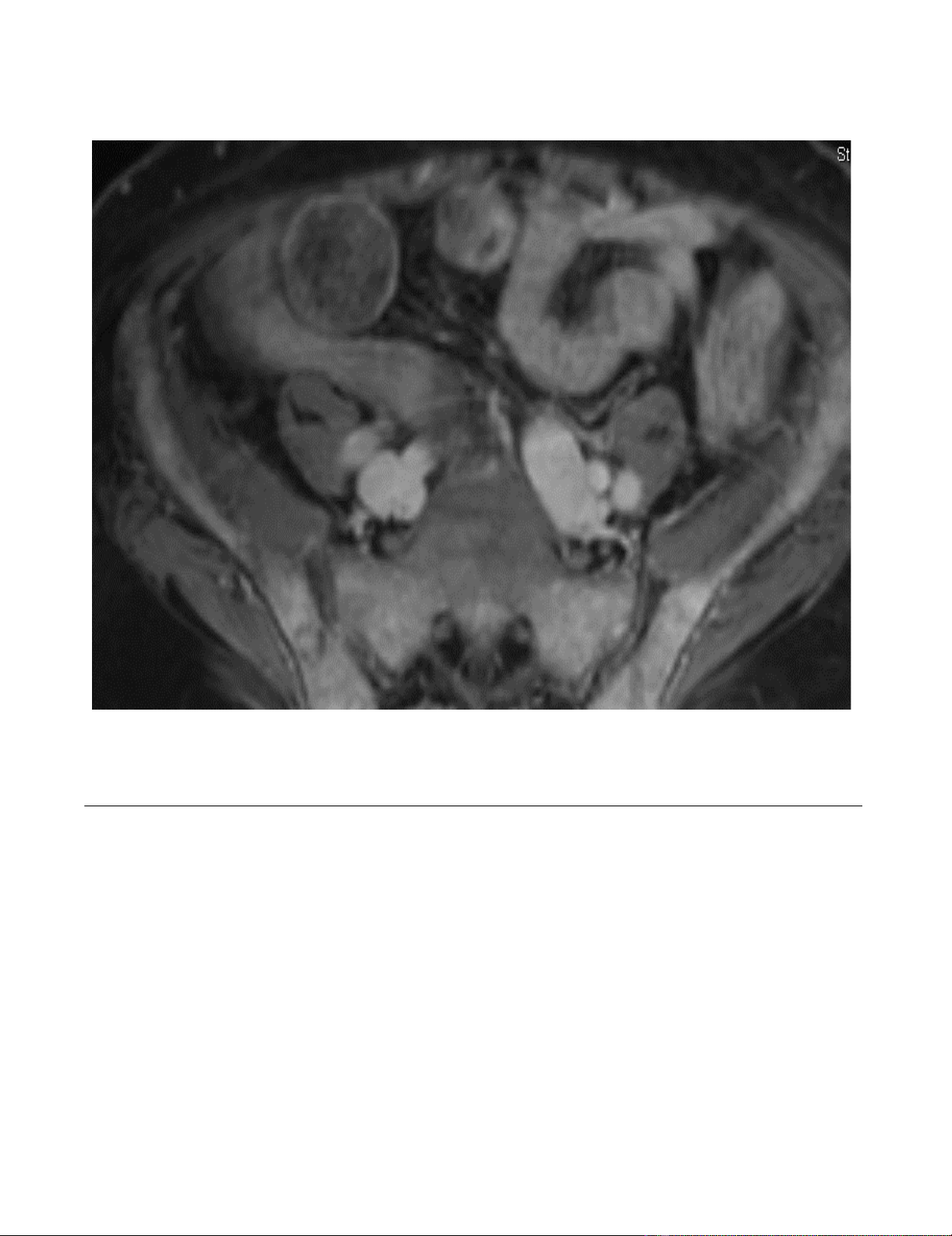
Blood work and magnetic resonance imaging at a recent
out-patient visit demonstrated pancytopenia as well as
diffuse myelomatous bone marrow replacement through-
out his pelvis and proximal femora (Figure 1). At this
time, he was being hospitalized due to extensive fluid
retention in the abdomen and lower extremities as well as
dyspnea. He stated that he had gained 15 pounds over the
past two weeks. On initial examination, he was afebrile
with a heart rate of 100 beats/minute and a blood pressure
of 97/50 mmHg. His oxygen saturation was 96% while
receiving oxygen at 3 liters/minute by nasal cannula. He
had crackles at the bases of his lungs bilaterally. His cardi-
ovascular exam was remarkable for 12 cm of jugular
venous distension and tachycardia with a 2/6 systolic flow
murmur at the left upper sternal border. His abdomen was
distended with shifting dullness to percussion and a liver
edge 4 cm below the right costal margin. His extremities
were warm to touch with 3 + bilateral lower extremity
edema as well as significant scrotal edema. Pertinent ini-
tial laboratory studies were remarkable for a hemoglobin
of 9.1 g/dl, a platelet count of 10,000 per microliter, a
blood urea nitrogen of 55 mg/dl, a creatinine of 1.0 mg/
dl, an albumin of 3.6 g/dl, and a calcium of 13 mg/dl. The
ECG demonstrated sinus tachycardia with normal voltage
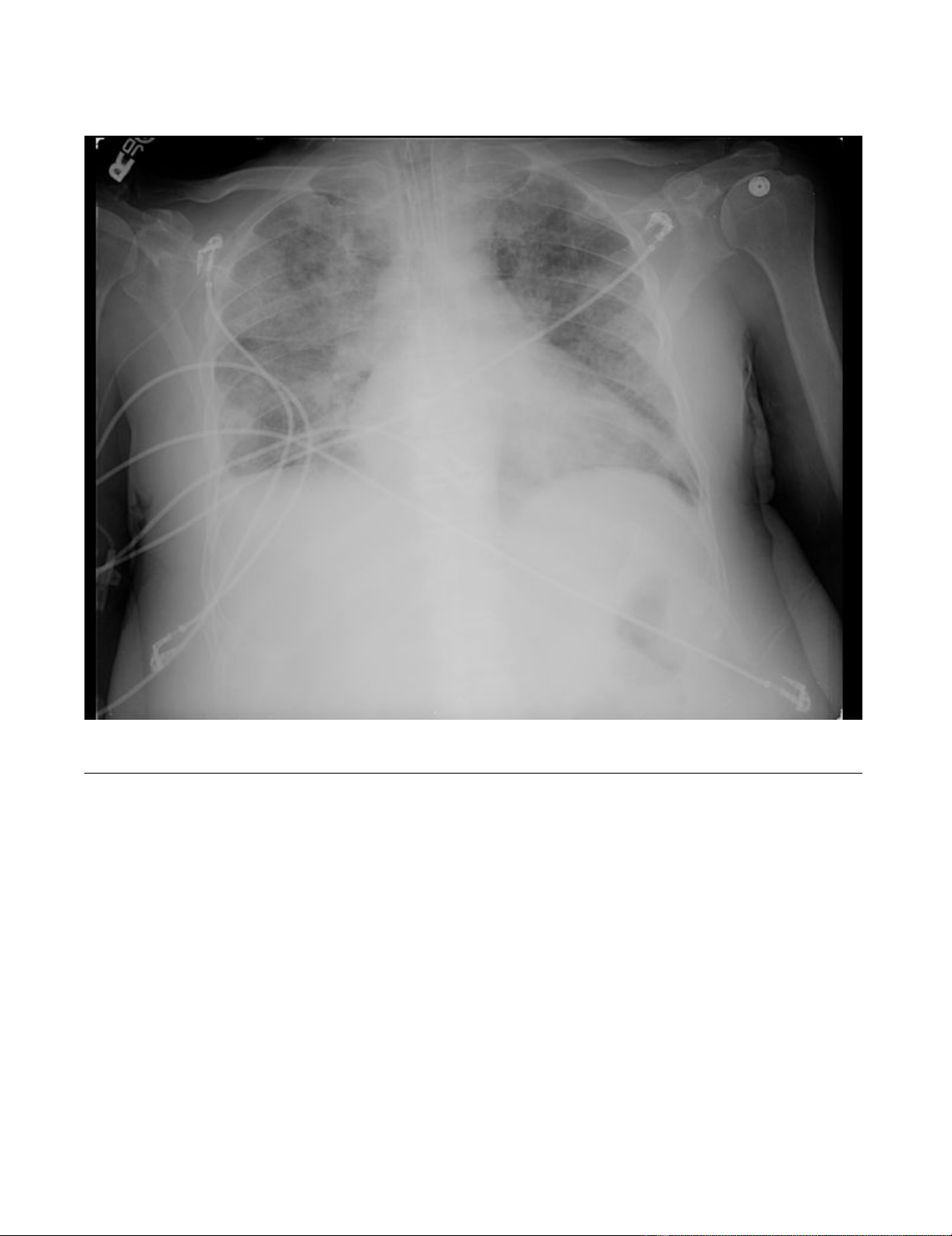
and diffuse T wave flattening. His chest X-ray demon-
strated mild cardiomegaly and evidence of pulmonary
edema. An echocardiogram conveyed a hyperdynamic left
ventricle with normal wall thickness, no regional wall
motion abnormalities, no valvular abnormalities and
normal diastolic function. Thrice daily intravenous furo-
semide was administered for the first ten hospital days.
Despite aggressive diuretic therapy, the patient's volume
status worsened. On the eleventh hospital day, cardiac
catheterization was performed (Table 1). Based on the
high output values obtained at catheterization, a thyroid
panel was obtained which was unremarkable. In addition,
he was given empiric thiamine replacement, placed on
broad-spectrum antibiotics for possible sepsis, and was
started on a continuous intravenous infusion of furosem-
ide. His respiratory status continued to worsen and on
hospital day number 14, he required intubation and
mechanical ventilation for hypoxemic respiratory failure
(Figure 2). His volume status continued to worsen over
the next 2 days despite the aforementioned therapy. As a
last resort, it was decided to initiate therapy targeting the
underlying myeloma on hospital day 17. Lenalidomide
25 mg and dexamethasone 40 mg daily were administered
through the patient's nasogastric tube. Within 24 hours, a
brisk diuresis was observed and he was successfully extu-
bated on hospital day 19. Dexamethasone was discontin-
ued per protocol after hospital day 20, though
lenalidomide was continued. By hospital day 27, he had a
net negative fluid balance of 15 liters and he was dis-
charged out of the intensive care unit. Unfortunately, on
hospital day 35 in the setting of his long standing refrac-
tory thrombocytopenia, he developed a massive upper
gastrointestinal bleed that could not be controlled despite
aggressive resuscitory efforts and died within hours.
Case 2
A 61-year-old African-American man with a history of cor-
onary artery disease presented to his internist with com-
Journal of Medical Case Reports 2008, 2:229 http://www.jmedicalcasereports.com/content/2/1/229
Page 3 of 6
(page number not for citation purposes)
plaints of fatigue and lower extremity edema. On
examination, he was afebrile with a heart rate of 75 beats/
minute and a blood pressure of 127/70 mmHg. His oxy-
gen saturation was 97% on room air. He had faint crackles
at the bases of his lungs bilaterally. His cardiovascular
exam was remarkable for 10 cm of jugular venous disten-
sion, a regular rhythm, and a 2/6 systolic flow murmur at
the left upper sternal border. His abdominal examination
was benign. His extremities were warm to touch with 2 +
bilateral lower extremity edema. Pertinent laboratory
studies were remarkable for a hemoglobin of 9.1 g/dl, a
platelet count of 105,00 per microliter, a blood urea nitro-
gen of 13 mg/dl, a creatinine of 1.0 mg/dl, an albumin of
3.9 g/dl, and a calcium of 9.2 mg/dl. His ECG demon-
strated normal sinus rhythm, normal voltage and left
atrial enlargement. An echocardiogram with Doppler con-
veyed hyperdynamic left ventricular function with an ejec-
tion fraction of 70%, no wall motion abnormalities, mild
concentric left ventricular hypertrophy, normal diastolic
function, moderate to severe left atrial enlargement (47
cc/m2) and no valvular abnormalities. A bone marrow
biopsy was performed and revealed a monoclonal popu-
lation of lambda-positive plasma cells making up 90% of
the total cell population. A skeletal survey demonstrated
multiple lytic lesions throughout the pelvis, right
humerus and skull. While the diagnosis of multiple mye-
loma was being investigated, the patient developed wors-
ening lower extremity edema despite oral furosemide
therapy. Cardiac catheterization was subsequently per-
formed (Table 1). Based on the diuresis noted in the first
case, it was decided to initiate thalidomide 50 mg daily
and increase the dose to 200 mg over the next 4 weeks. He
was also given oral dexamethasone. Two weeks after the
initiation of therapy, he no longer had peripheral edema.
MRI pelvisFigure 1
MRI pelvis. Diffuse bone marrow replacement throughout the pelvis and proximal femora with only small areas of residual
fatty marrow in the greater trochanters and femoral heads bilaterally. The diffuse enhancement is consistent with extensive
disease.
Journal of Medical Case Reports 2008, 2:229 http://www.jmedicalcasereports.com/content/2/1/229
Page 4 of 6
(page number not for citation purposes)
The thalidomide/dexamethasone therapy was continued
as he remained euvolemic and he was taken for a repeat
cardiac catheterization two months after the initiation of
therapy (Table 1). Based on his much improved clinical
status, he is currently being evaluated for stem cell trans-
plantation.
Discussion
Volume overload in the setting of multiple myeloma is
not uncommon and is usually attributed to low protein
states, renal failure, amyloid-related nephrotic syndrome,
or congestive heart failure. When heart failure is sus-
pected, considerations include amyloidosis, former thera-
pies, ischemia, and high-output failure. The
pathophysiology behind myeloma-induced high-output
failure is not entirely understood, but hypotheses include
increased splenic flow due to splenomegaly, a plasma cell
produced cytokine mediated process (IL-2, IL-6, Gamma
Interferon) or perhaps innumerable, small diffuse
intramedullary arteriovenous fistulas [3]. The latter seems
to have the most supporting data.
In a study by McBride [4], 34 patients with multiple mye-
loma were evaluated. Each patient had a cardiac index cal-
culated. Other variables evaluated included hemoglobin,
calcium, quantification of the monoclonal protein, stage
of disease and degree of bony involvement. When separat-
ing the cohort into those with an elevated cardiac index
(>4 liters/minute/m2) and a normal cardiac index (<4 lit-
ers/minute/m2), the only variable which was statistically
different between the two groups was the degree of bone
involvement (p = 0.001) [4]. Thus, extensive bone
involvement has the propensity to promote a high-output
state.
Chest X-rayFigure 2
Chest X-ray. Cardiomegaly with diffuse bilateral interstitial infiltrates and a right-sided pleural effusion.

Journal of Medical Case Reports 2008, 2:229 http://www.jmedicalcasereports.com/content/2/1/229
Page 5 of 6
(page number not for citation purposes)
The precise mechanism behind bone involvement pro-
moting a high-output state was elucidated by Inanir and
colleagues [2]. In their study, 11 patients with multiple
myeloma and a cardiac index >4.0 liters/minute/m2 were
evaluated. By injecting 99mTc-macroaggregated albumin
bubbles into the femoral artery as well as the antecubital
vein, an arteriovenous shunting ratio was calculated by
assessing the degree of pulmonary uptake after arterial
and venous injection. Any degree of pulmonary uptake
after arterial injection would invoke a degree of shunting
because these albumin bubbles should be trapped in the
first capillary bed. When comparing the cardiac indices of
the 11 patients to the arteriovenous shunting ratios, there
was a high correlation (coefficient, r = 0.79) which was
statistically significant (p = 0.004) [2].
The management of this syndrome is challenging, and
suffice to say, traditional heart failure therapy is not effec-
tive. Transcatheter embolization has been attempted in
the past with temporary success [5]. Systemic chemother-
apy may also be useful [1]. In our cases, we utilized sys-
temic steroids in conjunction with the agents
lenalidomide and thalidomide. Interestingly, both agents
share various mechanisms of action including cytokine
suppression, enhanced host immune response, and inhi-
bition of angiogenesis. We hypothesize that the rapid
improvement in heart failure after the administration of
these agents may be related to each of these pharmaco-
logic properties. However, perhaps the most relevant
mechanism is the capacity to inhibit angiogenesis. Based
on the proposed mechanism of high-output failure in
these patients, this is an appealing and plausible hypoth-
esis. In essence, when used in conjunction with steroids,
these agents may have the ability to pharmacologically
ligate intramedullary arteriovenous fistulas. Whether or
not this benefit extends to patients with other etiologies of
high-output failure such as Paget's disease remains to be
studied.
Conclusion
High-output heart failure is likely under-diagnosed in
patients with multiple myeloma. The pathophysiology is
most likely related to intramedullary arteriovenous fistu-
las and is most often observed in patients with extensive
bone involvement. The management is not straightfor-
ward and has not been studied in large cohorts of patients.
In addition, traditional heart failure therapy is unlikely to
be effective. Successful management is crucial as many
oncologists may be reluctant to put these patients through
stem cell transplantation with the appropriate concern
that the heart will not be able to tolerate the large volume
shifts. Systemic steroids used in conjunction with lenalid-
omide and thalidomide were shown to be very successful
in the management of myeloma-induced high-output
failure in these two cases. We postulate that the anti-ang-
iogenesis property of these agents may be the underlying
mechanism of action which led to the dramatic improve-
ment in volume status in these two patients. Further stud-
ies with larger numbers of patients are needed to validate
these results.
Table 1: Cardiac catheterization
Case 1 Case 2
Prior to treatment with
Lenalidomide
Prior to treatment with
Thalidomide
After treatment with
Thalidomide
Normal Values
Heart Rate/Minute 119 85 41 60–100
Right Atrium (mm Hg) 18 29 17 0–8
Right Ventricle: Systolic/
Diastolic, End Diastolic
(mm Hg)
58/3, 22 75/10, 24 57/0, 16 15–30/0–8, <12
Pulmonary Artery (mm
Hg); O2 Saturation
49/15; 84% 72/22; 65% 52/15; 68% 15–30/4–12; ~70%
Pulmonary Capillary
Wedge Pressure (mm Hg)
32 26 13 1–10
Left Ventricle: Systolic/
Diastolic, End Diastolic
(mm Hg)
86/11, 24 151/6, 25 Not Available 100–140/0–8, <12
Aortic Pressure (mm Hg);
O2 Saturation
74/49; 96% 150/80; 96% 144/76; 96% 100–140/60–90; >95%
Hemoglobin (mg/dl) 9.4 9.1 12.9 14–16
Cardiac Output (L/min) 15.17 10.60 4.65 4–8
Systemic Vascular Resist-
ance (dynes-sec-cm-5)
227 740 940 770–1500
Pulmonary Vascular
Resistance (dynes-sec-cm-
5)
11 166 180 20–120

![PET/CT trong ung thư phổi: Báo cáo [Năm]](https://cdn.tailieu.vn/images/document/thumbnail/2024/20240705/sanhobien01/135x160/8121720150427.jpg)