
RESEARCH ARTICLE Open Access
One-year risk of psychiatric hospitalization and
associated treatment costs in bipolar disorder
treated with atypical antipsychotics: a
retrospective claims database analysis
Edward Kim
1
, Min You
1
, Andrei Pikalov
2
, Quynh Van-Tran
2
, Yonghua Jing
1*
Abstract
Background: This study compared 1-year risk of psychiatric hospitalization and treatment costs in commercially
insured patients with bipolar disorder, treated with aripiprazole, ziprasidone, olanzapine, quetiapine or risperidone.
Methods: This was a retrospective propensity score-matched cohort study using the Ingenix Lab/Rx integrated
insurance claims dataset. Patients with bipolar disorder and 180 days of pre-index enrollment without antipsychotic
exposure who received atypical antipsychotic agents were followed for up to 12 months following the initial
antipsychotic prescription. The primary analysis used Cox proportional hazards regression to evaluate time-
dependent risk of hospitalization, adjusting for age, sex and pre-index hospitalization. Generalized gamma
regression compared post-index costs between treatment groups.
Results: Compared to aripiprazole, ziprasidone, olanzapine and quetiapine had higher risks for hospitalization
(hazard ratio 1.96, 1.55 and 1.56, respectively; p < 0.05); risperidone had a numerically higher but not statistically
different risk (hazard ratio 1.37; p = 0.10). Mental health treatment costs were significantly lower for aripiprazole
compared with ziprasidone (p = 0.004) and quetiapine (p = 0.007), but not compared to olanzapine (p = 0.29) or
risperidone (p = 0.80). Total healthcare costs were significantly lower for aripiprazole compared to quetiapine (p =
0.040) but not other comparators.
Conclusions: In commercially insured adults with bipolar disorder followed for 1 year after initiation of atypical
antipsychotics, treatment with aripiprazole was associated with a lower risk of psychiatric hospitalization than
ziprasidone, quetiapine, olanzapine and risperidone, although this did not reach significance with the latter.
Aripiprazole was also associated with significantly lower total healthcare costs than quetiapine, but not the other
comparators.
Background
Bipolar disorder is a chronic, recurring disorder
associated with periodic disruptions in mood regulation,
with annual treatment costs of $7,200 to $12,100 per
year, 20% of which are attributable to hospitalizations
[1,2]. Acute mania may require hospitalization for stabi-
lization of behavioral dyscontrol, irritability, and risk-
taking behavior. Despite the availability of multiple
approved medication therapies, more than 75% of
patients with bipolar disorder report at least one lifetime
psychiatric hospitalization [3].
Medication treatment patterns are variable in the
acute and long-term management of bipolar disorder,
with 42-64% of patients receiving mood stabilizers, such
as lithium, valproate or carbamazapine, and 44-60%
receiving adjunctive antipsychotics [4-6]. Atypical anti-
psychotics are used alone or in combination with mood
stabilizers for more severe manic episodes [7-11]. More-
over, adjunctive mood stabilizer-atypical antipsychotic
combination treatments may help to prevent psychiatric
hospitalization in bipolar disorder [12].
* Correspondence: yonghua.jing@bms.com
1
Bristol-Myers Squibb, Plainsboro, NJ, USA
Full list of author information is available at the end of the article
Kim et al.BMC Psychiatry 2011, 11:6
http://www.biomedcentral.com/1471-244X/11/6
© 2011 Kim et al; licensee BioMed Central Ltd. This is an Open Access article distributed under the terms of the Creative Commons
Attribution License (http://creativecommons.org/licenses/by/2.0), which permits unrestricted use, distribution, and reproduction in
any medium, provided the original work is properly cited.

In a recent commercial claims database study, adjunc-
tive aripiprazole was found to be associated with a
longer time to initial psychiatric hospitalization than
ziprasidone, olanzapine, quetiapine and risperidone dur-
ing the first 90 days following initiation [13]. A subse-
quent analysis found that total healthcare expenditures
were lower for aripiprazole than ziprasidone, olanzapine
and risperidone, and mental health expenditures were
lower for aripiprazole than all comparators [14].
The objective of the current study was to assess the
1-year risk of psychiatric hospitalization and associated
treatment costs in commercially insured patients with
bipolar disorder newly treated with aripiprazole, ziprasi-
done, olanzapine, quetiapine or risperidone, alone or in
combination with mood stabilizers.
Methods
Study design
The study was a retrospective cohort study utilizing the
Ingenix I3/LabRx claims dataset from 1/1/2003 through
12/31/2006. The dataset is a proprietary sample of indi-
viduals receiving health insurance benefits from United
Health Care (UHC). UHC data include the inpatient,
outpatient and prescription drug claims of more than 15
million of covered lives across the United States. The
index date was the date of the first prescription claim
for an atypical antipsychotic. Patients were followed for
up to 1 year post-index. Because the dataset in this
study was derived from an insurance claim database and
the data conform to the Health Insurance Portability
and Accountability Act of 1996 confidentiality require-
ments, the study did not require informed consent or
institutional review board approval.
Inclusion criteria
The study included outpatients aged 18-65 years with an
ICD-9 code for bipolar disorder, manic, mixed or hypo-
manic (296.0x, 296.1, 296.4x, 6x, 7x, 8x). Eligible
patients required at least 180 days or continuous health
plan enrollment before, and 365 days after, the index
date. Patients were included only if they were treated on
a single atypical antipsychotic at index.
Exclusion criteria
Patients were excluded from the analysis if they resided
in a nursing home, hospice, or another type of long-
term care facility, received mail-order prescriptions, or
were diagnosed with a schizophrenia spectrum disorder
(295.xx) during the pre- or post-index study period.
Patients were also excluded if they used any atypical
antipsychotic in the 180-day pre-index period, or had
prescriptions for more than one atypical antipsychotic at
index. Additionally, patients were also excluded if they
were hospitalized within 7 days of their index
antipsychotic prescription, in order to reduce treatment
selection bias based on extreme agitation or instability.
Assessments and statistical analyses
The primary outcome of interest was the first psychia-
tric hospitalization in the follow-up period. Patients
were censored for the following events: medical hospita-
lization, discontinuation of index antipsychotic (>15
days gap in coverage), or a prescription for a different
antipsychotic during the follow-up period.
In order to control for treatment selection bias, we
employed propensity score matching to construct
comparison groups that shared similar demographic
and clinical characteristics. Propensity score matching
is a robust means of controlling for observed con-
founding in observational data [15]. Propensity scores
were calculated for each patient using logistic regres-
sion with independent variables of age, sex, region,
pre-index diagnosis or treatment of diabetes or hyper-
lipidemia, pre-index psychiatric hospitalization, pre-
index lipid or glucose laboratory claims, choice of
pre-index mood stabilizer exposure and Charlson
comorbidity index. The propensity score was the pre-
dicted probability of treatment calculated for each
patient in the regression model. Patients in compari-
son treatment groups were matched 1:1 if their pro-
pensity scores were within 0.25 standard deviations of
the logit of the propensity score. All analyses were
conducted in propensity score-matched cohorts of the
study sample.
The primary analysis used Cox proportional hazards
regression to assess time-dependent risk of post-index
psychiatric hospitalization with a pre-specified thresh-
old for statistical significance of p < 0.05. Covariates
for adjustment in the models included age, sex, diag-
nosis or treatment for diabetes or hyperlipidemia diag-
nosis, pre-index psychiatric hospitalization, pre-index
lipid or glucose laboratory claims, choice of pre-index
mood stabilizer and the Deyo Charlson comorbidity
index [16]. Intent-to-treat analysis was used for the
cost analysis. Monthly treatment costs during the fol-
low-up period were compared using generalized
gamma regression controlling for pre-index costs in
patients with positive post-index healthcare costs. First,
we calculated the mean for each of the numeric covari-
ates, and gave equal share of the categorical covariates,
and then calculated the log mean of the fitted gamma
distribution based on these covariate values and the
parameter estimates and then exponentiated the log
mean to get the cost in dollars. Gamma regressions
were used to compare outcomes because gamma distri-
bution is suggested by many as a close approximation
of cost data. For example, Diehr and colleagues com-
pared different methods to model healthcare cost data
Kim et al.BMC Psychiatry 2011, 11:6
http://www.biomedcentral.com/1471-244X/11/6
Page 2 of 9
and concluded that, for understanding the effect of
individual covariates on total costs, the gamma distri-
bution might be preferred because it is a multiplicative
model [17]. Generalized gamma regression has been
found to be a more robust estimator than traditional
ordinary least squares regression in the analysis of
healthcare expenditure data due to the distributional
qualities of healthcare costs [18]. Only patients with
positive healthcare costs in the follow-up period were
included in the analysis, which categorized costs into
mental health (inpatient/ER and outpatient), medical
(inpatient/ER and outpatient) and pharmacy (all medi-
cations used). We excluded patients with non-positive
costs based on the assumption that patients taking
medications were also receiving billable services and
that the absence of such costs reflected aberrant data.
As a sensitivity analysis, we also replicated all multi-
variate regression analyses on the full unmatched
samples.
Results
Patient disposition and characteristics
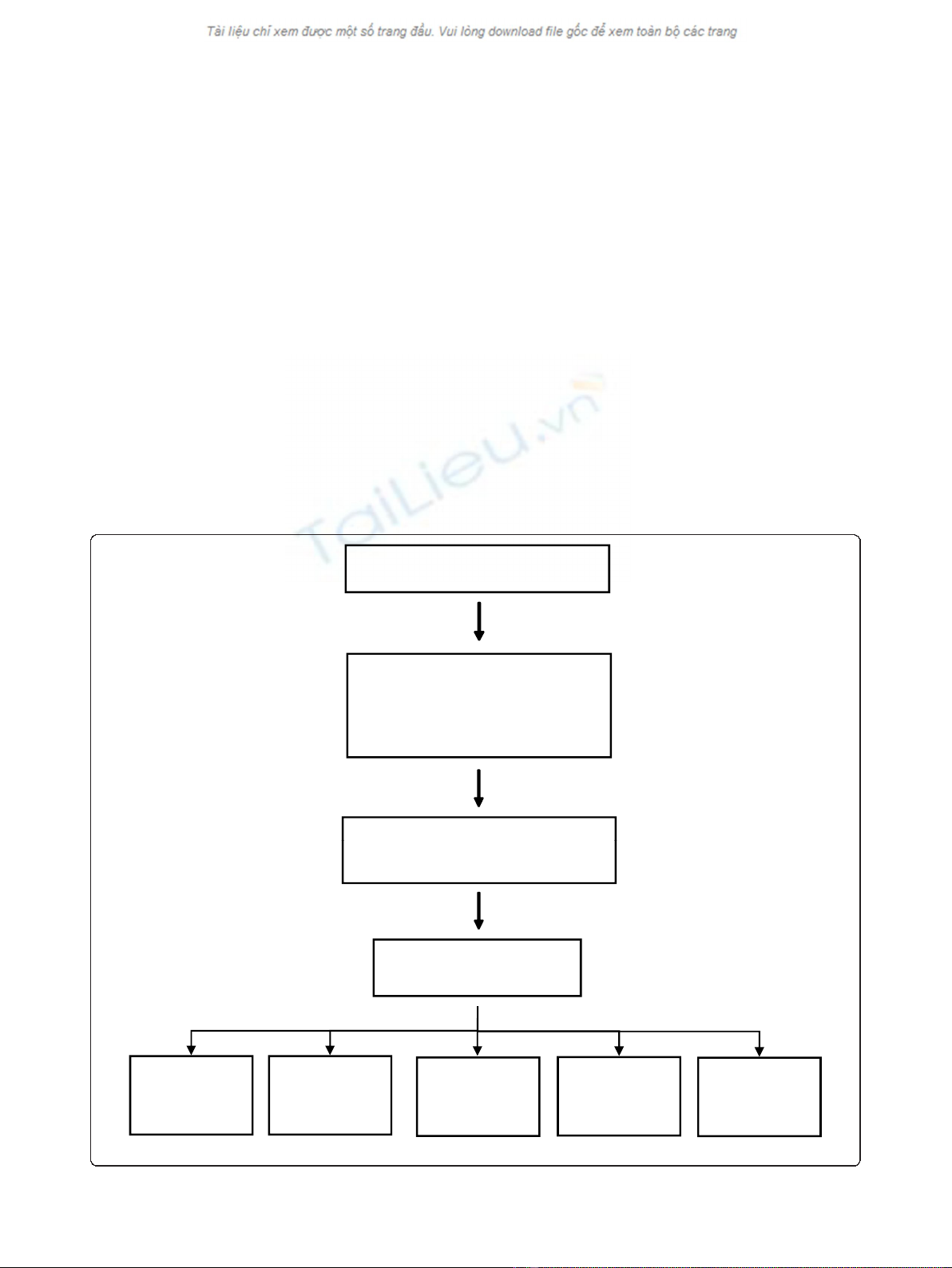
Of 198,919 patients with at least one atypical antipsycho-
tic prescription, 7,169 met full inclusion criteria
(Figure 1). Of these, 776 patients were on aripiprazole,
492 on ziprasidone, 1,919 on olanzapine, 2,497 on
quetiapine and 1,485 on risperidone. Propensity score-
matching enabled matching of: 461 aripiprazole and
ziprasidone patients; 737 aripiprazole and olanzapine
patients; 770 aripiprazole and quetiapine patients; and
771 aripiprazole and risperidone patients. Baseline char-
acteristics after matching are shown in Table 1, demon-
strating that comparable baseline characteristics were
seen across all propensity score-matched treatment
groups.
Clinical outcomes
Table 2 describes the disposition and dosing for patients
in each treatment group. Hospitalization rates among
Treated with atypical antipsychotics
N=198,919
18-65
Not treated with clozapine
No mail order prescriptions
6 months pre-index enrollment
12 months post-index enrollment
N=33,717
No nursing home or hospice care
Bipolar Disorder
No Schizophrenia Codes
N=7,169
Outpatient at least 7 days post-index
N=32,588
Aripiprazole
N=776
Ziprasidone
N=492
Olanzapine
N=1,919
Quetiapine
N=2,497
Risperidone
N=1,485
Figure 1
Kim et al.BMC Psychiatry 2011, 11:6
http://www.biomedcentral.com/1471-244X/11/6
Page 3 of 9

Table 1 Baseline and pre-index characteristics of propensity score-matched study sample
Variable Aripiprazole
(n = 461)
Ziprasidone
(n = 461)
p-value Aripiprazole
(n = 737)
Olanzapine
(n = 737)
p-value Aripiprazole
(n = 770)
Quetiapine
(n = 770)
p-value Aripiprazole
(n = 771)
Risperidone
(n = 771)
p-value
Age, mean (SD) 37.4 (11.6) 37.9 (11.1) 0.514 37.5 (12.0) 37.7 (11.9) 0.758 37.1 (11.9) 36.5 (11.4) 0.315 37.1 (11.9) 37.1 (11.2) 0.998
Sex, n (% men) 337 (73.1) 333 (722) 0.995 483 (65.5) 467 (63.4) 0.384 515 (66.9) 541 (70.3) 0.154 515 (66.8) 511 (66.3) 0.829
Psychiatric hospitalization, n (%) 159 (34.5) 160 (34.7) 0.945 179 (24.3) 182 (24.7) 0.856 178 (23.1) 178 (23.1) 1.000 180 (23.3) 180 (23.3) 1.000
Diabetes, n (%) 36 (7.8) 33 (7.2) 0.707 40 (5.4) 47 (6.4) 0.439 45 (5.8) 38 (4.9) 0.430 45 (5.8) 44 (5.7) 0.913
Hyperlipidemia, n (%) 75 (16.3) 81 (17.6) 0.598 123 (16.7) 131 (17.8) 0.581 130 (16.9) 130 (16.9) 1.000 130 (16.9) 119 (15.4) 0.446
Mood stabilizer exposure, n (%):
Carbamazapine 13 (2.8) 15 (3.3) 0.701 25 (3.4) 27 (3.7) 0.778 28 (3.6) 29 (3.8) 0.893 27 (3.5) 29 (3.8) 0.893
Lamotrigine 72 (15.6) 75 (16.3) 0.787 116 (15.7) 115 (15.6) 0.943 137 (17.8) 134 (17.4) 0.841 136 (17.6) 134 (17.4) 0.841
Lithium 67 (14.5) 70 (15.2) 0.781 106 (14.4) 104 (14.1) 0.882 115 (14.9) 108 (14.0) 0.612 115 (14.9) 108 (14.0) 0.612
Oxcarbazepine 34 (7.4) 38 (8.2) 0.623 60 (8.1) 65 (8.8) 0.640 75 (9.7) 68 (8.8) 0.539 75 (9.7) 68 (8.8) 0.539
Topiramate 43 (9.3) 46 (10.0) 0.738 68 (9.2) 65 (8.8) 0.785 81 (10.5) 85 (11.0) 0.742 80 (10.4) 85 (11.0) 0.742
Valproate 83 (18.0) 84 (18.2) 0.932 159 (21.6) 156 (21.2) 0.849 165 (21.4) 168 (21.8) 0.853 165 (21.4) 168 (21.8) 0.853
Charlson comorbidity index,
mean (SD)
0.3 (0.7) 0.4 (0.9) 0.388 0.3 (0.7) 0.3 (0.8) 0.432 0.2 (0.6) 0.2 (0.7) 0.746 0.3 (0.8) 0.3 (0.8) 0.468
P-values were calculated based on t-tests for continuous variables and chi square tests for categorical variables.
Table 2 Patient disposition and dosing - study sample
Psychiatric
Hospitalization
Medical
Hospitalization
Add/Switch
Antipsychotic
Discontinued
Antipsychotic
Completed
Follow-up
Duration of Antipsychotic
Treatment
Starting Daily
Dose
Maximum Daily
Dose
Index
Antipsychotic
N N (%) N (%) N (%) N (%) N (%) Median days
(Q1, Q3)
Mean mg
(SD)
Mean mg
(SD)
Aripiprazole 461 35 (7.6) 8 (1.7) 28 (6.1) 379 (82.2) 11 (2.4) 30 (30, 71) 11.8 (6.7) 13.4 (8.5)
Ziprasidone 461 59 (12.8) 11 (2.4) 66 (14.3) 307 (66.6) 18 (3.9) 30 (30, 70) 83.2 (49.7) 95.5 (57.2)
Aripiprazole 737 47 (6.4) 11 (1.5) 48 (6.5) 609 (82.6) 22 (3.0) 30 (30, 72) 11.2 (6.5) 12.9 (8.1)
Olanzapine 737 66 (9.0) 14 (1.9) 37 (5.0) 603 (81.8) 17 (2.3) 30 (30, 63) 7.8 (5.4) 8.7 (5.8)
Aripiprazole 770 48 (6.2) 10 (1.3) 49 (6.4) 640 (83.1) 23 (3.0) 30 (30, 72) 11.2 (6.5) 12.8 (8.1)
Quetiapine 770 78 (10.1) 8 (1.0) 34 (4.4) 619 (80.4) 31 (4.0) 30 (30, 73) 140.3 (146.1) 172.2 (200.6)
Aripiprazole 771 49 (6.4) 11 (1.4) 49 (6.4) 639 (82.9) 23 (3.0) 30 (30, 71) 12.8 (8.1) 12.8 (8.1)
Risperidone 771 72 (9.3) 14 (1.8) 59 (7.7) 603 (78.2) 23 (3.0) 30 (30, 73) 1.6 (1.3) 1.6 (1.3)
Kim et al.BMC Psychiatry 2011, 11:6
http://www.biomedcentral.com/1471-244X/11/6
Page 4 of 9

patients treated with aripiprazole ranged from 6.2 to
7.4% depending on the matched cohort, whereas com-
parators ranged from 9.3 to 12.8%. More than two-
thirds of all patients discontinued their index antipsy-
chotic during the 1-year follow-up period, and less than
5% completed a full year of follow-up taking their index
antipsychotic medication. The duration of therapy on
atypical antipsychotics was comparable across all treat-
ment groups and fairly brief, with a median of 30 days
across all treatments. Starting and maximal doses were
relatively similar, suggesting limited titration after
initiation.
Fully adjusted Cox proportional hazards analysis
demonstrated that treatment with aripiprazole was asso-
ciated with a significantly lower risk of hospitalization
than ziprasidone, olanzapine and quetiapine, and not
significantly different than risperidone. Table 3 sum-
marizes the results of these models, in which pre-index
psychiatric hospitalization was significantly associated
with risk of post-index hospitalization in all models. The
number of pre-index mood stabilizers was not signifi-
cantly associated with risk of hospitalization. Gender
andagewerenotassociatedwithriskofhospitalization
in any cohort. There was variability among matched
cohorts regarding the association between post-index
mood stabilizer exposure and risk of hospitalization.
Results of the analysis in unmatched samples are in
Table 4. The effects are directionally the same, statisti-
cally significant, with some effect sizes being even larger
than in the matched analyses.
Economic outcomes
Monthly post-index healthcare cost estimates derived
from the gamma regression are summarized in Table 5.
Adjusted monthly inpatient/ER mental health costs were
significantly lower in the aripiprazole-treated patients
compared with those treated with ziprasidone, olanza-
pine and quetiapine, and numerically lower than risperi-
done in those patients with inpatient costs. Total mental
health costs were lower for aripiprazole compared to
ziprasidone and quetiapine, but not significantly differ-
ent compared to olanzapine and risperidone. Compared
to aripiprazole, total medical costs were higher for
quetiapine but not significantly different for all other
comparators. Pharmacy costs were lower for olanzapine,
risperidone and quetiapine, and not significantly differ-
ent for ziprasidone. Total healthcare costs in the follow-
up period were significantly lower for aripiprazole than
quetiapine, and not significantly different for the other
comparators. Results of the analysis in unmatched
Table 3 Adjusted Cox proportionate hazards models (aripiprazole reference)
Effect Ziprasidone
Hazard Ratio
(95% CI)
Olanzapine
Hazard Ratio
(95% CI)
Quetiapine
Hazard Ratio
(95% CI)
Risperidone
Hazard Ratio
(95% CI)
Age 0.992 (0.973-1.011) 0.997 (0.981-1.014) 0.994 (0.978-1.011) 0.988 (0.971-1.005)
Women vs. Men 1.164 (0.720-1.882) 0.755 (0.510-1.118) 1.269 (0.837-1.924) 0.776 (0.524-1.149)
Charlson Comorbidity Index 1.220 (1.024-1.454)* 1.054 (0.876-1.267) 0.801 (0.548-1.171) 1.109 (0.958-1.284)
Prior Psychiatric Hospitalization 2.910 (1.888-4.484)*** 3.541(2.408-5.207)*** 3.874 (2.703-5.553)*** 2.287 (1.579-3.314)***
Prior Diabetes 0.838 (0.338-2.076) 0.885 (0.358-2.189) 2.222 (0.943-5.232) 1.149 (0.550-2.400)
Prior Hyperlipidemia 0.913 (0.446-1.317) 0.614 (0.324-1.165) 0.895 (0.508-1.579) 1.327(0.776-2.268)
Prior Lipid Test 0.677 (0.348-1.317) 0.715 (0.412-1.243) 1.307 (0.779-2.194) 0.687(0.397-1.189)
Prior Glucose Test 1.172 (0.742-1.849) 1.409 (0.928-2.141) 0.792 (0.519-1.210) 1.476 (0.969-2.248)
Pre-index mood stabilizer
1 vs. none 1.177 (0.648-2.138) 1.194 (0.679-2.098) 1.489 (0.904-2.451) 1.197(0.697-2.056)
2 vs. none 0.765 (0.270-2.171) 0.689 (0.280-1.691) 1.487 (0.704-3.142) 1.250(0.552-2.831)
≥3 vs. none 0.331 (0.035-3.137) 1.068 (0.291-0.919) 0.617 (0.073-5.217) 0.301(0.035-2.567)
Post-index mood stabilizer
Carbamazepine 3.853 (1.623-9.151)** 2.191(0.988-4.859) 1.242 (0.579-2.661) 1.926(0.879-4.219)
Lamotrigine 1.268 (0.640-2.514) 1.233 (0.649-2.344) 0.844 (0.486-1.465) 1.482(0.853-2.573)
Lithium 0.716 (0.317-1.619) 2.287(1.249-4.188)** 0.710 (0.377-1.339) 1.029(0.556-1.904)
Oxcarbazepine 1.660 (0.740-3.726) 1.266 (0.607-2.640) 0.469 (0.201-1.092) 0.877(0.422-1.824)
Topiramate 1.256 (0.536-2.943) 1.699 (0.847-3.407) 0.800 (0.422-1.518) 1.362(0.697-2.663)
Valproate 0.811 (0.399-1.652) 0.754 (0.402-0.414) 0.438 (0.235-0.814)** 0.679(0.364-1.266)
Year of Index Prescription 0.963 (0.733-1.266) 1.047 (0.814-0.345) 0.773 (0.617-0.969) 0.758(0.604-0.952)*
Comparator vs. Aripiprazole 1.962 (1.269-3.033)** 1.554 (1.035-1.333)* 1.556 (1.078-2.245)* 1.368(0.940-1.989)
* p < 0.05.
**p < 0.01.
***p < 0.001.
Kim et al.BMC Psychiatry 2011, 11:6
http://www.biomedcentral.com/1471-244X/11/6
Page 5 of 9