

Renewable
and
Sustainable
Energy
Reviews
16 (2012) 2781–
2805
Contents
lists
available
at
SciVerse
ScienceDirect
Renewable
and
Sustainable
Energy
Reviews
j
ourna
l
h
o
mepage:
www.elsevier.com/locate/rser
Sewage
sludge
pyrolysis
for
liquid
production:
A
review
Isabel
Fontsa,b,∗,
Gloria
Geab,
Manuel
Azuarab,
Javier
Ábregoc,
Jesús
Arauzob
aCentro
Universitario
de
la
Defensa
de
Zaragoza,
Ctra.
Huesca
s/n,
50090
Zaragoza,
Spain
bThermochemical
Processes
Group
(GPT),
Aragón
Institute
for
Engineering
Research
(I3A),
Universidad
de
Zaragoza,
Mariano
Esquillor
s/n,
50018
Zaragoza,
Spain
cInstituto
de
Carboquímica,
CSIC,
Miguel
Luesma
Castán,
4,
50018
Zaragoza,
Spain
a
r
t
i
c
l
e
i
n
f
o
Article
history:
Received
7
September
2011
Accepted
26
February
2012
Available online 24 March 2012
Keywords:
Sewage
sludge
Pyrolysis
Bio-oil
a
b
s
t
r
a
c
t
The
high
output
of
sewage
sludge,
which
is
increasing
during
recent
years,
and
the
limitations
of
the
existing
means
of
disposing
sewage
sludge
highlight
the
need
to
find
alternative
routes
to
manage
this
waste.
Biomass
and
residues
like
sewage
sludge
are
the
only
renewable
energy
sources
that
can
provide
C
and
H,
thus
it
is
interesting
to
process
them
by
means
of
treatments
that
enable
to
obtain
chemically
valuable
products
like
fuels
and
not
only
heat
and
power;
pyrolysis
can
be
one
of
these
treatments.
The
main
objective
of
this
review
is
to
provide
an
account
of
the
state
of
the
art
of
sewage
sludge
pyrolysis
for
liquid
production,
which
is
under
study
during
recent
years.
This
process
yields
around
50
wt%
(daf)
of
liquid.
Typically,
this
liquid
is
heterogeneous
and
it
usually
separates
into
two
or
three
phases.
Some
of
these
organic
phases
have
very
high
gross
heating
values,
even
similar
to
those
of
petroleum-based
fuels.
The
only
industrial
sewage
sludge
pyrolysis
plant
operated
to
date
is
currently
closed
due
to
some
technical
challenges
and
problems
of
economic
viability.
© 2012 Elsevier Ltd. All rights reserved.
Contents
1.
Introduction
.
.
.
.
.
.
.
.
.
.
.
.
.
.
.
.
.
.
.
.
.
.
.
.
.
.
.
.
.
.
.
.
.
.
.
.
.
.
.
.
.
.
.
.
.
.
.
.
.
.
.
.
.
.
.
.
.
.
.
.
.
.
.
.
.
.
.
.
.
.
.
.
.
.
.
.
.
.
.
.
.
.
.
.
.
.
.
.
.
.
.
.
.
.
.
.
.
.
.
.
.
.
.
.
.
.
.
.
.
.
.
.
.
.
.
.
.
.
.
.
.
.
.
.
.
.
.
.
.
.
.
.
.
.
.
.
.
.2782
1.1.
The
problematic
disposal
of
sewage
sludge.
.
.
.
.
.
.
.
.
.
.
.
.
.
.
.
.
.
.
.
.
.
.
.
.
.
.
.
.
.
.
.
.
.
.
.
.
.
.
.
.
.
.
.
.
.
.
.
.
.
.
.
.
.
.
.
.
.
.
.
.
.
.
.
.
.
.
.
.
.
.
.
.
.
.
.
.
.
.
.
.
.
.
.
.
.
.
.
.
.
.
.
.
.
.
.
.
.2782
1.2.
The
need
for
valorization
alternatives
.
.
.
.
.
.
.
.
.
.
.
.
.
.
.
.
.
.
.
.
.
.
.
.
.
.
.
.
.
.
.
.
.
.
.
.
.
.
.
.
.
.
.
.
.
.
.
.
.
.
.
.
.
.
.
.
.
.
.
.
.
.
.
.
.
.
.
.
.
.
.
.
.
.
.
.
.
.
.
.
.
.
.
.
.
.
.
.
.
.
.
.
.
.
.
.
.
.
.
.
.
.
.2782
1.3.
Pyrolysis:
a
potential
method
for
sewage
sludge
management
.
.
.
.
.
.
.
.
.
.
.
.
.
.
.
.
.
.
.
.
.
.
.
.
.
.
.
.
.
.
.
.
.
.
.
.
.
.
.
.
.
.
.
.
.
.
.
.
.
.
.
.
.
.
.
.
.
.
.
.
.
.
.
.
.
.
.
.
.
.
.
.
.
.
.
.
.2784
2.
Sewage
sludge
composition
and
characteristics
.
.
.
.
.
.
.
.
.
.
.
.
.
.
.
.
.
.
.
.
.
.
.
.
.
.
.
.
.
.
.
.
.
.
.
.
.
.
.
.
.
.
.
.
.
.
.
.
.
.
.
.
.
.
.
.
.
.
.
.
.
.
.
.
.
.
.
.
.
.
.
.
.
.
.
.
.
.
.
.
.
.
.
.
.
.
.
.
.
.
.
.
.
.
.
.
.
.
.
.2785
3.
Types
of
studies
about
sewage
sludge
pyrolysis
.
.
.
.
.
.
.
.
.
.
.
.
.
.
.
.
.
.
.
.
.
.
.
.
.
.
.
.
.
.
.
.
.
.
.
.
.
.
.
.
.
.
.
.
.
.
.
.
.
.
.
.
.
.
.
.
.
.
.
.
.
.
.
.
.
.
.
.
.
.
.
.
.
.
.
.
.
.
.
.
.
.
.
.
.
.
.
.
.
.
.
.
.
.
.
.
.
.
.
.2787
3.1.
Thermogravimetric
pyrolysis
studies
.
.
.
.
.
.
.
.
.
.
.
.
.
.
.
.
.
.
.
.
.
.
.
.
.
.
.
.
.
.
.
.
.
.
.
.
.
.
.
.
.
.
.
.
.
.
.
.
.
.
.
.
.
.
.
.
.
.
.
.
.
.
.
.
.
.
.
.
.
.
.
.
.
.
.
.
.
.
.
.
.
.
.
.
.
.
.
.
.
.
.
.
.
.
.
.
.
.
.
.
.
.
.
.2787
3.2.
Analytical
pyrolysis.
.
.
.
.
.
.
.
.
.
.
.
.
.
.
.
.
.
.
.
.
.
.
.
.
.
.
.
.
.
.
.
.
.
.
.
.
.
.
.
.
.
.
.
.
.
.
.
.
.
.
.
.
.
.
.
.
.
.
.
.
.
.
.
.
.
.
.
.
.
.
.
.
.
.
.
.
.
.
.
.
.
.
.
.
.
.
.
.
.
.
.
.
.
.
.
.
.
.
.
.
.
.
.
.
.
.
.
.
.
.
.
.
.
.
.
.
.
.
.
.
.
.2787
3.3.
Pyrolysis
for
the
production
of
solid
adsorbents.
.
.
.
.
.
.
.
.
.
.
.
.
.
.
.
.
.
.
.
.
.
.
.
.
.
.
.
.
.
.
.
.
.
.
.
.
.
.
.
.
.
.
.
.
.
.
.
.
.
.
.
.
.
.
.
.
.
.
.
.
.
.
.
.
.
.
.
.
.
.
.
.
.
.
.
.
.
.
.
.
.
.
.
.
.
.
.
.
.
.
.
.2787
3.4.
Pyrolysis
for
obtaining
a
syn-gas
.
.
.
.
.
.
.
.
.
.
.
.
.
.
.
.
.
.
.
.
.
.
.
.
.
.
.
.
.
.
.
.
.
.
.
.
.
.
.
.
.
.
.
.
.
.
.
.
.
.
.
.
.
.
.
.
.
.
.
.
.
.
.
.
.
.
.
.
.
.
.
.
.
.
.
.
.
.
.
.
.
.
.
.
.
.
.
.
.
.
.
.
.
.
.
.
.
.
.
.
.
.
.
.
.
.
.
.
.2787
3.5.
Pyrolysis
for
liquid
production
.
.
.
.
.
.
.
.
.
.
.
.
.
.
.
.
.
.
.
.
.
.
.
.
.
.
.
.
.
.
.
.
.
.
.
.
.
.
.
.
.
.
.
.
.
.
.
.
.
.
.
.
.
.
.
.
.
.
.
.
.
.
.
.
.
.
.
.
.
.
.
.
.
.
.
.
.
.
.
.
.
.
.
.
.
.
.
.
.
.
.
.
.
.
.
.
.
.
.
.
.
.
.
.
.
.
.
.
.
.
.2787
4.
State
of
the
art
of
sewage
sludge
pyrolysis
for
liquid
production
.
.
.
.
.
.
.
.
.
.
.
.
.
.
.
.
.
.
.
.
.
.
.
.
.
.
.
.
.
.
.
.
.
.
.
.
.
.
.
.
.
.
.
.
.
.
.
.
.
.
.
.
.
.
.
.
.
.
.
.
.
.
.
.
.
.
.
.
.
.
.
.
.
.
.
.
.
.
.
.
.
.
.2787
4.1.
Operational
conditions
in
sewage
sludge
pyrolysis
for
liquid
production
.
.
.
.
.
.
.
.
.
.
.
.
.
.
.
.
.
.
.
.
.
.
.
.
.
.
.
.
.
.
.
.
.
.
.
.
.
.
.
.
.
.
.
.
.
.
.
.
.
.
.
.
.
.
.
.
.
.
.
.
.
.
.
.
.
.2787
4.1.1.
Non-catalytic
pyrolysis
.
.
.
.
.
.
.
.
.
.
.
.
.
.
.
.
.
.
.
.
.
.
.
.
.
.
.
.
.
.
.
.
.
.
.
.
.
.
.
.
.
.
.
.
.
.
.
.
.
.
.
.
.
.
.
.
.
.
.
.
.
.
.
.
.
.
.
.
.
.
.
.
.
.
.
.
.
.
.
.
.
.
.
.
.
.
.
.
.
.
.
.
.
.
.
.
.
.
.
.
.
.
.
.
.
.
.
.
.2788
4.1.2.
Catalytic
pyrolysis
.
.
.
.
.
.
.
.
.
.
.
.
.
.
.
.
.
.
.
.
.
.
.
.
.
.
.
.
.
.
.
.
.
.
.
.
.
.
.
.
.
.
.
.
.
.
.
.
.
.
.
.
.
.
.
.
.
.
.
.
.
.
.
.
.
.
.
.
.
.
.
.
.
.
.
.
.
.
.
.
.
.
.
.
.
.
.
.
.
.
.
.
.
.
.
.
.
.
.
.
.
.
.
.
.
.
.
.
.
.
.
.
.
.2788
4.2.
Liquid
yield:
influence
of
various
parameters
.
.
.
.
.
.
.
.
.
.
.
.
.
.
.
.
.
.
.
.
.
.
.
.
.
.
.
.
.
.
.
.
.
.
.
.
.
.
.
.
.
.
.
.
.
.
.
.
.
.
.
.
.
.
.
.
.
.
.
.
.
.
.
.
.
.
.
.
.
.
.
.
.
.
.
.
.
.
.
.
.
.
.
.
.
.
.
.
.
.
.
.
.
.
.2789
4.2.1.
Influence
of
temperature
.
.
.
.
.
.
.
.
.
.
.
.
.
.
.
.
.
.
.
.
.
.
.
.
.
.
.
.
.
.
.
.
.
.
.
.
.
.
.
.
.
.
.
.
.
.
.
.
.
.
.
.
.
.
.
.
.
.
.
.
.
.
.
.
.
.
.
.
.
.
.
.
.
.
.
.
.
.
.
.
.
.
.
.
.
.
.
.
.
.
.
.
.
.
.
.
.
.
.
.
.
.
.
.
.
.
.2789
4.2.2.
Influence
of
gas
residence
time
.
.
.
.
.
.
.
.
.
.
.
.
.
.
.
.
.
.
.
.
.
.
.
.
.
.
.
.
.
.
.
.
.
.
.
.
.
.
.
.
.
.
.
.
.
.
.
.
.
.
.
.
.
.
.
.
.
.
.
.
.
.
.
.
.
.
.
.
.
.
.
.
.
.
.
.
.
.
.
.
.
.
.
.
.
.
.
.
.
.
.
.
.
.
.
.
.
.
.
.2790
4.2.3.
Influence
of
solid
feed
rate
.
.
.
.
.
.
.
.
.
.
.
.
.
.
.
.
.
.
.
.
.
.
.
.
.
.
.
.
.
.
.
.
.
.
.
.
.
.
.
.
.
.
.
.
.
.
.
.
.
.
.
.
.
.
.
.
.
.
.
.
.
.
.
.
.
.
.
.
.
.
.
.
.
.
.
.
.
.
.
.
.
.
.
.
.
.
.
.
.
.
.
.
.
.
.
.
.
.
.
.
.
.
.
.
.2791
4.2.4.
Influence
of
sewage
sludge
particle
size
.
.
.
.
.
.
.
.
.
.
.
.
.
.
.
.
.
.
.
.
.
.
.
.
.
.
.
.
.
.
.
.
.
.
.
.
.
.
.
.
.
.
.
.
.
.
.
.
.
.
.
.
.
.
.
.
.
.
.
.
.
.
.
.
.
.
.
.
.
.
.
.
.
.
.
.
.
.
.
.
.
.
.
.
.
.
.
.
.
.
.2791
4.2.5.
Influence
of
reaction
atmosphere
composition
.
.
.
.
.
.
.
.
.
.
.
.
.
.
.
.
.
.
.
.
.
.
.
.
.
.
.
.
.
.
.
.
.
.
.
.
.
.
.
.
.
.
.
.
.
.
.
.
.
.
.
.
.
.
.
.
.
.
.
.
.
.
.
.
.
.
.
.
.
.
.
.
.
.
.
.
.
.
.
.
.
.
.
.2792
4.2.6.
Influence
of
sewage
sludge
composition
.
.
.
.
.
.
.
.
.
.
.
.
.
.
.
.
.
.
.
.
.
.
.
.
.
.
.
.
.
.
.
.
.
.
.
.
.
.
.
.
.
.
.
.
.
.
.
.
.
.
.
.
.
.
.
.
.
.
.
.
.
.
.
.
.
.
.
.
.
.
.
.
.
.
.
.
.
.
.
.
.
.
.
.
.
.
.
.
.
.
.2792
∗Corresponding
author
at:
Centro
Universitario
de
la
Defensa
de
Zaragoza,
Ctra.
Huesca
s/n,
50090
Zaragoza,
Spain.
Tel.:
+34
976739832;
fax:
+34
976761879.
E-mail
address:
isabelfo@unizar.es
(I.
Fonts).
1364-0321/$
–
see
front
matter ©
2012 Elsevier Ltd. All rights reserved.
doi:10.1016/j.rser.2012.02.070

2782 I.
Fonts
et
al.
/
Renewable
and
Sustainable
Energy
Reviews
16 (2012) 2781–
2805
4.2.7.
Influence
of
the
catalytic
pyrolysis
.
.
.
.
.
.
.
.
.
.
.
.
.
.
.
.
.
.
.
.
.
.
.
.
.
.
.
.
.
.
.
.
.
.
.
.
.
.
.
.
.
.
.
.
.
.
.
.
.
.
.
.
.
.
.
.
.
.
.
.
.
.
.
.
.
.
.
.
.
.
.
.
.
.
.
.
.
.
.
.
.
.
.
.
.
.
.
.
.
.
.
.
.
.
.
.
.2792
4.3.
Physico-chemical
properties
of
liquid
.
.
.
.
.
.
.
.
.
.
.
.
.
.
.
.
.
.
.
.
.
.
.
.
.
.
.
.
.
.
.
.
.
.
.
.
.
.
.
.
.
.
.
.
.
.
.
.
.
.
.
.
.
.
.
.
.
.
.
.
.
.
.
.
.
.
.
.
.
.
.
.
.
.
.
.
.
.
.
.
.
.
.
.
.
.
.
.
.
.
.
.
.
.
.
.
.
.
.
.
.
.
.2792
4.3.1.
Homogeneity
.
.
.
.
.
.
.
.
.
.
.
.
.
.
.
.
.
.
.
.
.
.
.
.
.
.
.
.
.
.
.
.
.
.
.
.
.
.
.
.
.
.
.
.
.
.
.
.
.
.
.
.
.
.
.
.
.
.
.
.
.
.
.
.
.
.
.
.
.
.
.
.
.
.
.
.
.
.
.
.
.
.
.
.
.
.
.
.
.
.
.
.
.
.
.
.
.
.
.
.
.
.
.
.
.
.
.
.
.
.
.
.
.
.
.
.
.
.
.2793
4.3.2.
Water
content
.
.
.
.
.
.
.
.
.
.
.
.
.
.
.
.
.
.
.
.
.
.
.
.
.
.
.
.
.
.
.
.
.
.
.
.
.
.
.
.
.
.
.
.
.
.
.
.
.
.
.
.
.
.
.
.
.
.
.
.
.
.
.
.
.
.
.
.
.
.
.
.
.
.
.
.
.
.
.
.
.
.
.
.
.
.
.
.
.
.
.
.
.
.
.
.
.
.
.
.
.
.
.
.
.
.
.
.
.
.
.
.
.
.
.
.
.
.2793
4.3.3.
Heating
value
.
.
.
.
.
.
.
.
.
.
.
.
.
.
.
.
.
.
.
.
.
.
.
.
.
.
.
.
.
.
.
.
.
.
.
.
.
.
.
.
.
.
.
.
.
.
.
.
.
.
.
.
.
.
.
.
.
.
.
.
.
.
.
.
.
.
.
.
.
.
.
.
.
.
.
.
.
.
.
.
.
.
.
.
.
.
.
.
.
.
.
.
.
.
.
.
.
.
.
.
.
.
.
.
.
.
.
.
.
.
.
.
.
.
.
.
.
.
.2795
4.3.4.
Solid
content
.
.
.
.
.
.
.
.
.
.
.
.
.
.
.
.
.
.
.
.
.
.
.
.
.
.
.
.
.
.
.
.
.
.
.
.
.
.
.
.
.
.
.
.
.
.
.
.
.
.
.
.
.
.
.
.
.
.
.
.
.
.
.
.
.
.
.
.
.
.
.
.
.
.
.
.
.
.
.
.
.
.
.
.
.
.
.
.
.
.
.
.
.
.
.
.
.
.
.
.
.
.
.
.
.
.
.
.
.
.
.
.
.
.
.
.
.
.
.
.2795
4.3.5.
Viscosity
.
.
.
.
.
.
.
.
.
.
.
.
.
.
.
.
.
.
.
.
.
.
.
.
.
.
.
.
.
.
.
.
.
.
.
.
.
.
.
.
.
.
.
.
.
.
.
.
.
.
.
.
.
.
.
.
.
.
.
.
.
.
.
.
.
.
.
.
.
.
.
.
.
.
.
.
.
.
.
.
.
.
.
.
.
.
.
.
.
.
.
.
.
.
.
.
.
.
.
.
.
.
.
.
.
.
.
.
.
.
.
.
.
.
.
.
.
.
.
.
.
.
.
.2795
4.3.6.
pH
and
ammonia
content
.
.
.
.
.
.
.
.
.
.
.
.
.
.
.
.
.
.
.
.
.
.
.
.
.
.
.
.
.
.
.
.
.
.
.
.
.
.
.
.
.
.
.
.
.
.
.
.
.
.
.
.
.
.
.
.
.
.
.
.
.
.
.
.
.
.
.
.
.
.
.
.
.
.
.
.
.
.
.
.
.
.
.
.
.
.
.
.
.
.
.
.
.
.
.
.
.
.
.
.
.
.
.
.
.
.2795
4.3.7.
Oil/tar
ratio
.
.
.
.
.
.
.
.
.
.
.
.
.
.
.
.
.
.
.
.
.
.
.
.
.
.
.
.
.
.
.
.
.
.
.
.
.
.
.
.
.
.
.
.
.
.
.
.
.
.
.
.
.
.
.
.
.
.
.
.
.
.
.
.
.
.
.
.
.
.
.
.
.
.
.
.
.
.
.
.
.
.
.
.
.
.
.
.
.
.
.
.
.
.
.
.
.
.
.
.
.
.
.
.
.
.
.
.
.
.
.
.
.
.
.
.
.
.
.
.
.2796
4.3.8.
Ultimate
analysis
.
.
.
.
.
.
.
.
.
.
.
.
.
.
.
.
.
.
.
.
.
.
.
.
.
.
.
.
.
.
.
.
.
.
.
.
.
.
.
.
.
.
.
.
.
.
.
.
.
.
.
.
.
.
.
.
.
.
.
.
.
.
.
.
.
.
.
.
.
.
.
.
.
.
.
.
.
.
.
.
.
.
.
.
.
.
.
.
.
.
.
.
.
.
.
.
.
.
.
.
.
.
.
.
.
.
.
.
.
.
.
.
.
.
.2796
4.3.9.
Toxicity
.
.
.
.
.
.
.
.
.
.
.
.
.
.
.
.
.
.
.
.
.
.
.
.
.
.
.
.
.
.
.
.
.
.
.
.
.
.
.
.
.
.
.
.
.
.
.
.
.
.
.
.
.
.
.
.
.
.
.
.
.
.
.
.
.
.
.
.
.
.
.
.
.
.
.
.
.
.
.
.
.
.
.
.
.
.
.
.
.
.
.
.
.
.
.
.
.
.
.
.
.
.
.
.
.
.
.
.
.
.
.
.
.
.
.
.
.
.
.
.
.
.
.
.
.2797
4.4.
Chemical
composition
of
liquid
and
its
phases:
influence
of
various
parameters
.
.
.
.
.
.
.
.
.
.
.
.
.
.
.
.
.
.
.
.
.
.
.
.
.
.
.
.
.
.
.
.
.
.
.
.
.
.
.
.
.
.
.
.
.
.
.
.
.
.
.
.
.
.
.
.
.
.2798
4.4.1.
Effect
of
the
temperature
.
.
.
.
.
.
.
.
.
.
.
.
.
.
.
.
.
.
.
.
.
.
.
.
.
.
.
.
.
.
.
.
.
.
.
.
.
.
.
.
.
.
.
.
.
.
.
.
.
.
.
.
.
.
.
.
.
.
.
.
.
.
.
.
.
.
.
.
.
.
.
.
.
.
.
.
.
.
.
.
.
.
.
.
.
.
.
.
.
.
.
.
.
.
.
.
.
.
.
.
.
.
.
.
.
.
.2799
4.4.2.
Effect
of
the
gas
residence
time
.
.
.
.
.
.
.
.
.
.
.
.
.
.
.
.
.
.
.
.
.
.
.
.
.
.
.
.
.
.
.
.
.
.
.
.
.
.
.
.
.
.
.
.
.
.
.
.
.
.
.
.
.
.
.
.
.
.
.
.
.
.
.
.
.
.
.
.
.
.
.
.
.
.
.
.
.
.
.
.
.
.
.
.
.
.
.
.
.
.
.
.
.
.
.
.
.
.
.
.2799
4.4.3.
Effect
of
the
solid
residence
time
.
.
.
.
.
.
.
.
.
.
.
.
.
.
.
.
.
.
.
.
.
.
.
.
.
.
.
.
.
.
.
.
.
.
.
.
.
.
.
.
.
.
.
.
.
.
.
.
.
.
.
.
.
.
.
.
.
.
.
.
.
.
.
.
.
.
.
.
.
.
.
.
.
.
.
.
.
.
.
.
.
.
.
.
.
.
.
.
.
.
.
.
.
.
.
.
.
.
.2799
4.4.4.
Effect
of
the
reaction
atmosphere
.
.
.
.
.
.
.
.
.
.
.
.
.
.
.
.
.
.
.
.
.
.
.
.
.
.
.
.
.
.
.
.
.
.
.
.
.
.
.
.
.
.
.
.
.
.
.
.
.
.
.
.
.
.
.
.
.
.
.
.
.
.
.
.
.
.
.
.
.
.
.
.
.
.
.
.
.
.
.
.
.
.
.
.
.
.
.
.
.
.
.
.
.
.
.
.
.
.2799
4.4.5.
Effect
of
the
kind
of
sewage
sludge. .
.
.
.
.
.
.
.
.
.
.
.
.
.
.
.
.
.
.
.
.
.
.
.
.
.
.
.
.
.
.
.
.
.
.
.
.
.
.
.
.
.
.
.
.
.
.
.
.
.
.
.
.
.
.
.
.
.
.
.
.
.
.
.
.
.
.
.
.
.
.
.
.
.
.
.
.
.
.
.
.
.
.
.
.
.
.
.
.
.
.
.
.
.
.
.2800
4.5.
By-products
of
sewage
sludge
pyrolysis
for
liquid
production
.
.
.
.
.
.
.
.
.
.
.
.
.
.
.
.
.
.
.
.
.
.
.
.
.
.
.
.
.
.
.
.
.
.
.
.
.
.
.
.
.
.
.
.
.
.
.
.
.
.
.
.
.
.
.
.
.
.
.
.
.
.
.
.
.
.
.
.
.
.
.
.
.
.
.
.
.
.2800
4.5.1.
Char
.
.
.
.
.
.
.
.
.
.
.
.
.
.
.
.
.
.
.
.
.
.
.
.
.
.
.
.
.
.
.
.
.
.
.
.
.
.
.
.
.
.
.
.
.
.
.
.
.
.
.
.
.
.
.
.
.
.
.
.
.
.
.
.
.
.
.
.
.
.
.
.
.
.
.
.
.
.
.
.
.
.
.
.
.
.
.
.
.
.
.
.
.
.
.
.
.
.
.
.
.
.
.
.
.
.
.
.
.
.
.
.
.
.
.
.
.
.
.
.
.
.
.
.
.
.
.
.
.2800
4.5.2.
Gas
.
.
.
.
.
.
.
.
.
.
.
.
.
.
.
.
.
.
.
.
.
.
.
.
.
.
.
.
.
.
.
.
.
.
.
.
.
.
.
.
.
.
.
.
.
.
.
.
.
.
.
.
.
.
.
.
.
.
.
.
.
.
.
.
.
.
.
.
.
.
.
.
.
.
.
.
.
.
.
.
.
.
.
.
.
.
.
.
.
.
.
.
.
.
.
.
.
.
.
.
.
.
.
.
.
.
.
.
.
.
.
.
.
.
.
.
.
.
.
.
.
.
.
.
.
.
.
.
.
.2801
4.6.
Applicability
of
the
process
.
.
.
.
.
.
.
.
.
.
.
.
.
.
.
.
.
.
.
.
.
.
.
.
.
.
.
.
.
.
.
.
.
.
.
.
.
.
.
.
.
.
.
.
.
.
.
.
.
.
.
.
.
.
.
.
.
.
.
.
.
.
.
.
.
.
.
.
.
.
.
.
.
.
.
.
.
.
.
.
.
.
.
.
.
.
.
.
.
.
.
.
.
.
.
.
.
.
.
.
.
.
.
.
.
.
.
.
.
.
.
.
.
.2801
5.
Conclusions
.
.
.
.
.
.
.
.
.
.
.
.
.
.
.
.
.
.
.
.
.
.
.
.
.
.
.
.
.
.
.
.
.
.
.
.
.
.
.
.
.
.
.
.
.
.
.
.
.
.
.
.
.
.
.
.
.
.
.
.
.
.
.
.
.
.
.
.
.
.
.
.
.
.
.
.
.
.
.
.
.
.
.
.
.
.
.
.
.
.
.
.
.
.
.
.
.
.
.
.
.
.
.
.
.
.
.
.
.
.
.
.
.
.
.
.
.
.
.
.
.
.
.
.
.
.
.
.
.
.
.
.
.
.
.
.
.
.2802
Acknowledgements
.
.
.
.
.
.
.
.
.
.
.
.
.
.
.
.
.
.
.
.
.
.
.
.
.
.
.
.
.
.
.
.
.
.
.
.
.
.
.
.
.
.
.
.
.
.
.
.
.
.
.
.
.
.
.
.
.
.
.
.
.
.
.
.
.
.
.
.
.
.
.
.
.
.
.
.
.
.
.
.
.
.
.
.
.
.
.
.
.
.
.
.
.
.
.
.
.
.
.
.
.
.
.
.
.
.
.
.
.
.
.
.
.
.
.
.
.
.
.
.
.
.
.
.
.
.
.
.
.
.2803
References
.
.
.
.
.
.
.
.
.
.
.
.
.
.
.
.
.
.
.
.
.
.
.
.
.
.
.
.
.
.
.
.
.
.
.
.
.
.
.
.
.
.
.
.
.
.
.
.
.
.
.
.
.
.
.
.
.
.
.
.
.
.
.
.
.
.
.
.
.
.
.
.
.
.
.
.
.
.
.
.
.
.
.
.
.
.
.
.
.
.
.
.
.
.
.
.
.
.
.
.
.
.
.
.
.
.
.
.
.
.
.
.
.
.
.
.
.
.
.
.
.
.
.
.
.
.
.
.
.
.
.
.
.
.
.
.
.
.
.2803
1.
Introduction
1.1.
The
problematic
disposal
of
sewage
sludge
Sewage
sludge
is
the
major
waste
generated
in
the
urban
wastewater
treatment
process.
The
implementation
of
the
urban
wastewater
treatment
Directive
(UWWTD)
91/271/EEC
[1],
which
obliges
Member
States
to
provide
a
wastewater
treatment
plant
in
all
agglomerations
of
more
than
2000
population
equivalents
that
discharge
their
wastewater
into
a
river
and
in
all
those
of
more
than
10,000
population
equivalents
that
spill
their
wastewater
into
the
sea,
has
caused
an
important
increase
in
sewage
sludge
production
in
the
last
decade.
Specifically,
in
the
EU
more
than
10
million
tons
(dry
solids)
of
sewage
sludge
are
produced
annually
[2].
As
an
illustration,
the
evolution
of
the
production
of
urban
in
some
Euro-
pean
countries
during
recent
years
is
shown
in
Table
1
[3].
The
management
of
sewage
sludge
is
consequently
one
of
the
most
significant
challenges
in
wastewater
management
[4].
Indeed,
the
urban
wastewater
treatment
process
will
only
be
considered
com-
pleted
when
sewage
sludge,
which
includes
most
organic
water
contaminants,
is
properly
managed
in
an
environmentally
friendly
manner
[5].
1.2.
The
need
for
valorization
alternatives
Nowadays,
the
main
ways
of
disposing
of
sewage
sludge
can
be
classified
in
three
categories:
agricultural
use,
incineration,
and
landfill.
As
Directive
75/442/EEC
[6]
and
Directive
91/156/EEC
[7]
on
waste
establish,
the
last
option
for
sludge
management
should
be
landfill
disposal.
The
Landfill
Directive
99/31/EEC
[8]
aims
to
reduce
the
quantity
of
biodegradable
municipal
waste
to
35%
of
that
landfilled
in
1995
by
2016.
Sludge
production
accounts
for
about
4%
(in
weight)
of
total
municipal
waste
production,
therefore
its
reuse
contributes
to
achieving
the
target
of
Directive
99/31/EEC
[8].
Besides,
sludge
contains
an
elevated
amount
of
organic
matter,
which
generates
a
landfill
gas
rich
in
CH4that
contributes
even
more
than
CO2to
the
greenhouse
effect.
Moreover,
the
cost
of
the
land
needed
for
landfill
is
increasing
because
of
its
decreasing
availability
[9].
The
incineration
of
sludge,
which
can
be
performed
with
and
without
energy
recovery,
has
several
benefits.
It
can
reduce
waste
volume
by
70%
and
it
results
in
the
thermal
destruction
of
pathogens
and
toxic
organic
compounds
[4,10].
Furthermore,
sludge
has
a
calorific
value
similar
to
that
of
low-grade
coal
so
that
if
incineration
is
performed
under
energy
recovery
conditions,
fossil
fuel
savings
would
be
possible.
Another
advantage
of
this
disposal
method
is
that
the
net
CO2addition
to
the
atmosphere
decreases,
thus
contributing
to
overall
CO2reduction.
However,
incineration
is
currently
considered
a
high
cost
alternative
[11].
Sludge
incineration
must
comply
with
Directive
2000/76/EEC
[12]
on
waste
incineration
which
states
that
the
emissions
should
not
exceed
permitted
levels.
The
introduction
of
new
technologies
to
control
gaseous
emissions
has
enabled
compliance
with
the
legisla-
tion
but
increased
costs
are
also
likely.
The
main
scenarios
of
such
incineration
are
the
combustion
of
sewage
sludge
in
wastewater
treatment
plants,
the
co-combustion
of
sewage
sludge
with
coal
or
other
wastes,
or
the
combustion
of
sewage
sludge
in
cement
kilns
[13].
Relatively
few
incinerators
of
sewage
sludge
located
in
wastewater
treatment
plants
recover
the
energy
from
the
process,
and
this
causes
huge
amounts
of
energy
waste
[14].
Currently,
co-
incineration
with
other
waste
such
as
domestic
refuse
or
coal
is
gaining
increasing
importance
over
mono-incineration
in
the
waste
water
treatment
plant
itself.
However,
some
authors
who
have
evaluated
sewage
sludge
ash
toxicity
claim
that
the
ash
from
the
co-combustion
of
coal
and
sewage
sludge
contains
larger
quanti-
ties
of
metals,
namely
Cr,
Cu,
Ni,
Pb,
Zn
and
Fe,
and
is
more
toxic
than
the
ash
from
coal
combustion
[15].
Furthermore,
the
reuse
of
the
ash
generated
during
incineration
is
another
issue
that
has
to
be
addressed.
The
incineration
of
sewage
sludge
in
cement
kilns
could
solve
the
problem
of
ash
disposal
[16,17].
However,
the
main
obstacle
to
the
complete
development
of
sewage
sludge
incinera-
tion
as
a
route
for
its
management
is
the
poor
public
perception
of
this
method
as
a
disposal
alternative.
Finally,
the
third
and
most
extensively
used
disposal
method
for
managing
sludge
is
agricultural
use.
Due
to
the
technology
uti-
lized
in
urban
wastewater
treatment,
the
sludge
contains
organic
matter,
nitrogen
and
phosphorus,
which
are
nutrients
for
soils.
These
components
make
the
sludge
suitable
as
a
fertilizer.
How-
ever,
the
sludge
also
concentrates
heavy
metals,
pathogens,
and

I.
Fonts
et
al.
/
Renewable
and
Sustainable
Energy
Reviews
16 (2012) 2781–
2805 2783
Table
1
Evolution
of
the
production
of
urban
in
some
European
countries
during
recent
years
[3].
1998
1999
2000
2001
2002
2003
2004
2005
2006
2007
2008
2009
Belgium
–
–
101
112
118
109
116
113
128
129
140
–
Bulgaria 52 60
48
45
40
43
58
42
38
40
43
39
Czech
Republic 186
198
207
206
211
180
179
172
175
172
220
–
Denmark
154
–
–
–
–
–
–
–
–
140
–
–
Germany
2482
–
–
2429
–
–
2261
2170
2049
–
–
–
Estonia
–
–
–
–
–
–
–
30
28
29
22
22
Ireland
–
38
34
38
–
–
–
60
–
88
–
–
Greece – – – 68 78 80
83
117
126
134
136
152
Spain 716 785
853
892
987
1012
1092
1121
1065
1153
1156
1205
France 971
–
–
954
–
–
1060
–
–
–
1087
–
Italy
–
–
–
–
–
–
–
1056
–
–
–
–
Cyprus
–
–
–
–
–
–
9
8
–
8
–
–
Latvia
–
–
–
–
21
29
36
29
24
23
–
–
Lithuania 486 535 257 242–––667176
54
50
Luxembourg
–
17
12
12
13
13
14
13
15
16
13
–
Hungary 87
87
102
115
117
152
184
–
–
260
–
–
Malta
–
–
0
0
0
0
0
0
0
0
0
1
Netherlands 358 372 346 358 365
353
354
359
373
353
353
–
Austria
212
–
315
–
323
–
305
–
255
–
254
–
Poland 340
354
360
397
436
447
476
486
501
533
567
563
Portugal
–
–
–
–
–
–
–
–
–
189
–
–
Romania
–
–
–
–
–
–
–
68
226
100
79
120
Slovenia
7
–
9
8
7
9
10
14
19
21
20
27
Slovakia
54
61
56
53
51
54
53
56
–
–
–
–
Finland 158 160 160 –
–
–
–
–
–
–
–
–
Sweden
221
221
220
220
220
220
210
210
210
217
214
212
United
Kingdom 1058
–
–
1527
1544
1656
1721
1771
1809
1825
1814
1761
England
and
Wales
936
1000
937
1399
1394
1512
1578
1598
1647
1664
1654
1607
Scotland
97
–
–
99
113
113
143
140
124
122
122
116
Northern
Ireland 25 – 24 29 37
32
–
32
38
38
38
38
Iceland
0
0
1
1
1
1
–
–
–
–
–
–
Norway – –
–
–
–
–
–
–
–
–
–
–
Switzerland
200
–
202
–
200
–
205
–
210
–
–
–
Turkey –
–
–
–
–
–
–
–
–
–
–
–
some
organic
compounds
which
could
negatively
affect
the
envi-
ronment.
Following
article
14
of
the
UWWTD
[1],
“Sludge
arising
from
wastewater
treatment
shall
be
re-used
whenever
appropri-
ate”,
the
European
Commission
encourages
the
use
of
sludge
in
agriculture
claiming
that
its
use
is
harmless
for
the
environment,
while
Directive
86/278/EEC
[18]
regulates
this
use
of
sludge
to
avoid
harmful
effects.
This
last
Directive
limits
the
heavy
metal
concen-
trations
in
sewage
sludge,
prohibits
the
application
of
untreated
sludge
unless
it
is
injected
or
incorporated
into
the
soil,
for
instance
in
quarry
restoration,
and
obliges
the
sludge
to
be
used
in
such
a
way
that
human
beings,
plants,
animals,
soils
and
water
are
not
damaged.
Currently,
this
Directive
is
under
revision
to
put
stricter
limits
on
the
use
of
untreated
sludge,
the
quantity
of
heavy
met-
als
and
the
concentration
of
some
persistent
organic
contaminants
(PCBs,
Dioxins
and
Furans,
PAHs).
These
contaminants
are
difficult
to
break
down
or
eliminate
during
wastewater
treatment
and
tend
to
accumulate
in
the
soil,
promoting
eco-toxicity
problems
[19].
In
this
scenario,
if
sludge
quality
does
not
improve,
an
important
percentage
of
the
sludge
produced
will
not
be
able
to
be
reused
as
fertilizer
in
the
future
[19].
Another
drawback
of
the
agricul-
tural
use
of
sludge
is
the
seasonal
character
of
fertilization.
Sludge
is
generated
all
the
year
round
but
it
can
only
be
applied
on
the
land
once
or
twice
a
year.
The
sludge
therefore
needs
to
be
stored
for
long
time
periods
with
resulting
problems
[4,20].
Finally,
this
reuse
also
faces
social
obstacles
due
to
poor
public
perception.
For
this
reason,
the
application
of
sludge
on
land
has
decreased
or
even
been
abandoned
during
recent
years
in
several
European
countries
such
as
Finland,
Slovenia,
Sweden,
Holland,
Greece
and
Belgium
[21].
Several
authors
have
compared
various
alternative
disposal
routes
for
sewage
sludge
[4,13,20,22–25].
However,
there
is
no
general
agreement
on
the
most
appropriate
method
for
sewage
sludge
management,
although
the
majority
opinion
is
that
energy
recovery
processes
will
predominate
in
the
near
future
over
other
routes
such
as
agricultural
use
or
landfill
[4,13,20,23–25].
For
exam-
ple,
Stasta
et
al.
[13]
and
Werther
and
Ogada
[25]
recommend
its
management
in
cement
kilns,
Fytili
et
al.
[4]
suggest
alternative
thermal
processes
such
as
pyrolysis,
gasification
or
wet
oxidation,
and
Hospido
et
al.
[22]
argue
for
land
application.
Some
authors
also
emphasize
that
it
is
difficult
to
compare
the
different
kinds
of
sewage
sludge
management
treatment
because
some
are
still
at
the
research
stage
[23,24].
As
can
be
seen
in
Fig.
1,
the
management
methods
used
in
European
countries
is
equally
heterogeneous
[26].
In
view
of
the
current
situation
of
disposal
routes
for
sewage
sludge
as
described
above,
a
high
demand
for
new
alternative
meth-
ods
of
sludge
management
can
be
expected
in
the
near
future.
Lately,
thermal
processes
such
as
wet
oxidation,
pyrolysis
or
gasifi-
cation
have
been
researched
and
suggested
as
potential
alternatives
[25].
Two
earlier
reviews
cover
past
and
future
trends
in
sludge
handling,
focusing
mainly
on
thermal
processes
and
the
utilization
of
sewage
sludge
in
cement
manufacture
as
a
co-fuel
[4,25].
The
main
goal
of
thermochemical
processes,
including
combustion,
is
the
production
of
energy
from
the
organic
fraction
of
the
sludge,
while
affecting
the
environment
as
little
as
possible.
The
pyrolysis
process
has
considerable
potential
for
sewage
sludge
management
since
it
achieves
up
to
50%
reduction
of
the
waste
volume
[27],
the
stabilization
of
the
organic
matter,
and
the
production
of
fuels
and
valuable
chemical
products
from
the
liquid
obtained.
Apart
from
this,
sewage
sludge
pyrolysis
also
enables
the
heavy
metals
from
the
sewage
sludge
to
be
concentrated
in
the
char
obtained
from
the
pyrolysis,
these
metals
being
more
resistant
to
lixiviation
than
those
concentrated
in
the
ash
obtained
from
sewage
sludge
com-
bustion
[28–30].
This
solid
product
may
also
be
used
as
a
reducer
in
metallurgic
processes,
as
an
adsorbent
of
contaminants
or
as
a
fuel
to
maintain
the
process
[31,32].
Furthermore,
unlike
other
thermo-
chemical
processes
such
as
combustion
or
gasification,
pyrolysis

2784 I.
Fonts
et
al.
/
Renewable
and
Sustainable
Energy
Reviews
16 (2012) 2781–
2805
0%
20%
40%
60%
80%
100
%
Belgium(2008)
Bulgary (2009)
Czech Republic (2007)
Denmark (2007)
Germany (2006)
Estonia (2009)
Ireland (2007)
Greece (2009)
Spain (2009)
France (2008)
Italy (2005)
Cyprus (2007)
Latvia (2007)
Lithuania (2009)
Luxembourg (2008)
Hungary (2007)
Malta (2009)
Netherlands (2008)
Austria (2008)
Poland (2009)
Portugal (2007)
Romania (2009)
Solvenia (2009)
Slovakia (2005)
Finland (2000)
Sweden (2009)
United Kingdom (2009)
Iceland (2003)
Switzerland (2006)
Total mass percentaje
Not available data
Others
Incin eration
Landfill
Compost and
other ap
plications
Agriculture use
Fig.
1.
Sewage
sludge
disposal
by
type
of
treatment
(latest
available
year)
[26].
is
an
endothermic
reaction.
This
means
that
the
pyrolysis
prod-
ucts
may
have
a
more
elevated
heating
value
than
the
raw
material
pyrolyzed.
For
example,
Kim
and
Parker
[33]
found
that
the
liquid
and
the
solid
products
of
pyrolysis
at
300 ◦C
of
TWAS
(thickened
waste
activated
sludge)
had
an
energy
content
between
0.16
and
1.9
MJ
kg−1more
than
the
raw
sewage
sludge.
However,
it
must
be
borne
in
mind
that
as
the
reaction
is
endothermic,
it
is
necessary
to
provide
external
energy
to
the
system
for
the
reaction
to
take
place.
This
paper
reviews
the
published
research
on
sewage
sludge
pyrolysis
for
liquid
production
because,
to
the
best
of
the
authors’
knowledge,
there
is
no
review
currently
available
on
this
topic.
The
main
objective
is
to
provide
an
account
of
the
state
of
the
art
of
sewage
sludge
pyrolysis
for
liquid
production.
Furthermore,
based
on
the
data
found
in
the
literature
review
and
on
the
experience
of
the
Thermochemical
Processes
Group
(GPT)
within
this
field,
the
review
will
try
to
establish
the
most
urgent
priorities
for
future
investigations
required
for
the
complete
development
of
this
form
of
waste
management.
1.3.
Pyrolysis:
a
potential
method
for
sewage
sludge
management
Most
of
the
works
concerning
liquid
production
from
sludge
are
based
on
the
literature
relating
to
the
pyrolysis
of
lignocellu-
losic
biomass.
In
fact,
important
efforts
have
been
made
to
convert
biomass
to
liquid
fuels
since
the
oil
crisis
in
1970s
[34].
Therefore,
the
information
published
about
this
process
applied
to
biomass
is
vast
and
provides
a
basis
for
the
application
of
pyrolysis
to
sludge
in
order
to
obtain
bio-oil.
For
this
reason,
before
discussing
sewage
sludge
pyrolysis,
it
is
necessary
to
describe
what
is
meant
by
pyrol-
ysis
and
bio-oil
and
briefly
summarize
how
this
process
should
be
performed
to
obtain
liquid
fuel
according
to
the
experiences
gained
with
wood/biomass
pyrolysis.
Pyrolysis
is
the
thermal
decomposition
of
materials
in
an
inert
atmosphere
producing
vapors,
which
are
formed
by
condensable
and
non-condensable
gases,
and
a
solid
product,
namely
char.
It
is
important
to
distinguish
pyrolysis
from
gasification.
Gasification
mainly
transforms
organic
materials
to
combustible
gas
or
syngas,
using
between
20
and
40%
of
the
oxygen
required
for
total
combus-
tion,
whereas
pyrolysis
is
a
thermochemical
reaction
carried
out
at
elevated
temperatures
(500–1000 ◦C)
and
theoretically
in
an
inert
atmosphere.
Depending
on
the
operational
conditions,
pyrolysis
can
be
aimed
at
obtaining
mainly
char,
liquid
or
gas.
A
pyrolysis
reaction
carried
out
at
high
heating
rates,
moderate
temperatures
(500 ◦C),
short
gas
residence
times
(<2
s),
and
rapid
quenching
of
the
vapors
is
known
as
fast
pyrolysis.
The
major
product
obtained
in
this
process
is
the
pyrolysis
liquid,
also
called
bio-oil
or
pyrolysis
oil,
which
can
be
applied
as
a
fuel
and
also
as
a
source
of
valuable
chemical
products.
In
the
case
of
lignocellulosic
biomass
pyroly-
sis,
the
yields
achieved
are
60–75
wt%
for
the
liquid,
15–25
wt%
for
the
char
and
10–20
wt%
for
the
gas
[34].
Char
and
gas
can
also
be
considered
as
fuels
and
be
reused
in
the
process
itself.
The
choice
of
the
reactor
configuration
is
essential
in
order
to
meet
fast
pyrolysis
requirements
and
maximize
the
liquid
produc-
tion.
There
are
three
main
kinds
of
technologies
for
fast
pyrolysis:
ablative
pyrolysis,
fluid
bed
and
circulating
fluid
bed
pyrolysis,
and
vacuum
pyrolysis
[35].
Fluid
beds
are
the
most
popular
configura-
tions
due
to
their
ease
of
operation
and
ready
scale-up
[35].
In
fact,
nowadays
only
fluid
beds
and
circulating
fluid
beds
are
being
used
on
a
commercial
scale
[36].
Pyrolysis
has
the
advantage
over
other
thermal
treatments
of
producing
mainly
a
liquid
product
that
can
be
easily
stored
and
transported
and
can
therefore
be
used
in
areas
far
away
from
the
liquid
production
plant.
Pyrolysis
liquid
from
lignocellulosic
biomass
has
already
been
successfully
tested
as
a
direct
fuel
in
engines,
turbines
and
boilers
[37,38].
However,
the
potential
direct
substitution
of
pyrolysis
oil
for
conventional
petroleum-based
fuels
in
transport
applications
requires
upgrading
processes
which
are
currently
being
investigated
[39].
Pyrolysis
oil
from
lignocellulosic
biomass
is
a
liquid
which
can
be
considered
as
a
microemulsion
of
organic
macromolecules
stabilized
in
an
aqueous
solution
of
smaller
organic
molecules.
Microemulsion
stabilization
is
achieved
by
hydrogen
bonding
and
nanomicelle
and
micromicelle
formation
[40].
The
main
organic
compounds
found
in
the
pyrolysis
liquid
have
been
classified
in
five
categories:
hydroxyaldehydes,
hydroxyketones,
sugars
and
dehydrosugars,
carboxylic
acids
and
phenolics
compounds
[40].
A
typical
heating
value
of
biomass
pyrolysis
liquid
is
around
17
MJ
kg−1[34]
which
is
40–45%
of
that
exhibited
by
hydrocarbon-
based
fuels
[38].
Two
of
the
main
chemical
differences
between
biomass
pyrolysis
oils
and
hydrocarbons
fuels
are
water
and
oxy-
gen
content.
The
water
content
in
pyrolysis
oils
varies
over
a
wide
range
(15–30
wt%)
depending
on
the
feedstock
and
the
process
con-
ditions
[38].
High
water
contents
deplete
the
lower
heating
value
but
on
the
other
hand
decrease
the
viscosity,
which
is
beneficial
for
its
applications
as
a
fuel.
The
oxygen
content
of
pyrolysis
liquid
is
usually
45–50
wt%
depending
mainly
on
the
liquid
water
con-
tent
[41].
The
oxygen
is
present
in
most
of
the
more
than
300
compounds
that
have
been
identified
in
the
oils
[38].
This
high
oxygen
content
reduces
energy
density
and
provokes
immiscibility
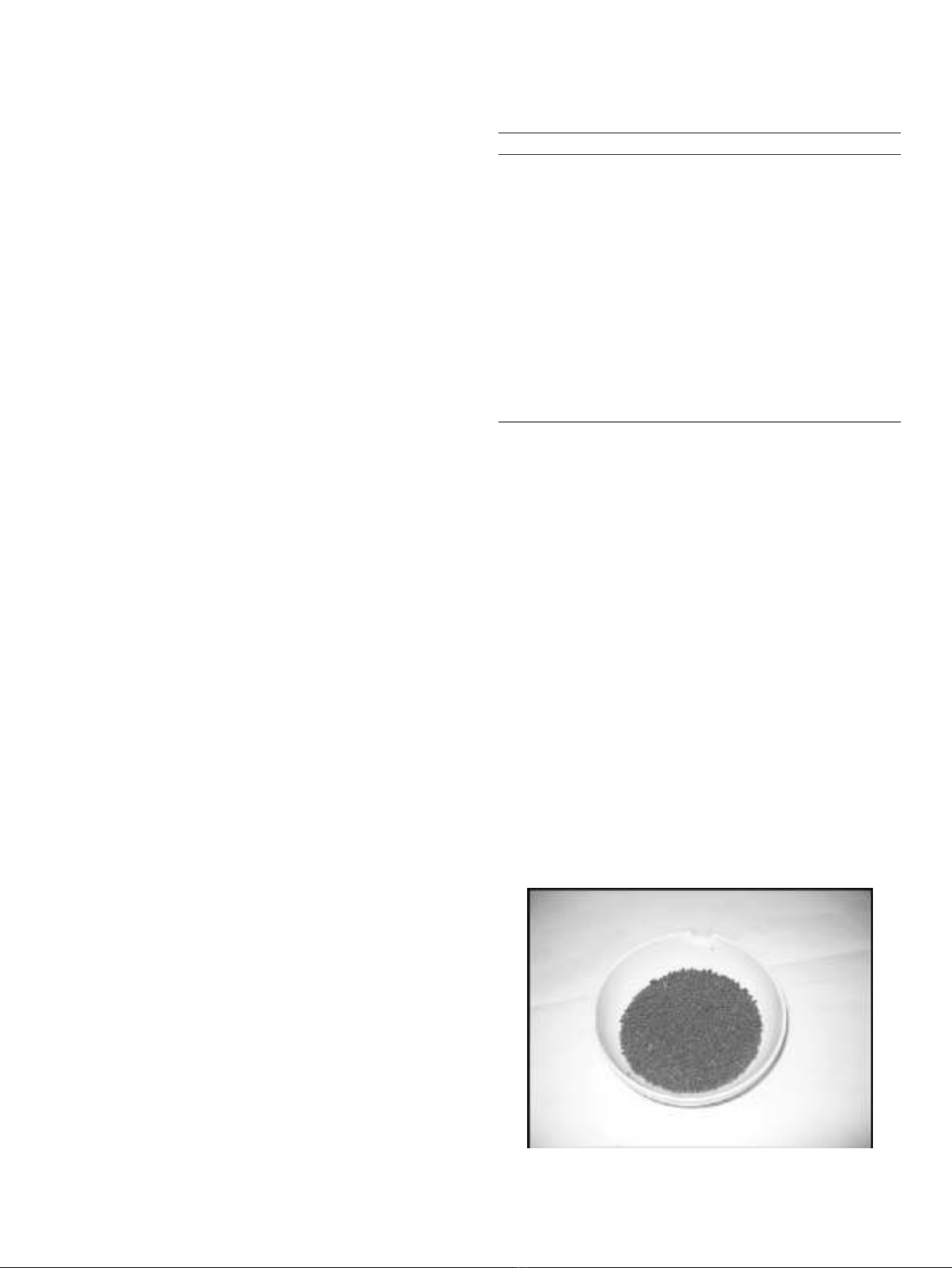
I.
Fonts
et
al.
/
Renewable
and
Sustainable
Energy
Reviews
16 (2012) 2781–
2805 2785
with
hydrocarbon-based
fuels.
It
also
increases
liquid
storage
and
thermal
instability
due
to
the
reactive
oxygen-containing
organic
compounds
present
in
the
pyrolysis
oil
[38].
This
instability
is
also
called
aging,
which
is
an
undesirable
property.
These
reactive
com-
ponents
can
interact
to
form
larger
molecules
and
cause
changes
in
physical
properties
[42],
such
as
water
content
and
viscosity
increase,
and
phase
separation.
Generally,
fresh
pyrolysis
liquid
from
clean
wood
(without
bark
and
needles)
forms
a
stable
single-
phase
and
phase
separation
occurs
with
aging
[43].
However,
phase
separation
can
also
appear
in
fresh
pyrolysis
oils
produced
from
feedstocks
with
high
extractive
content,
such
as
forestry
residues
[44],
and/or
with
high
moisture
which
can
generate
oils
with
water
content
above
35–40
wt%
[43].
Since
1986,
several
authors
have
studied
sewage
sludge
pyrol-
ysis
as
a
potential
method
for
obtaining
a
liquid
fuel
and
chemicals
[40].
Works
relating
to
wood/biomass
pyrolysis
have
frequently
been
cited
as
references
for
investigations
into
the
production
of
liquid
from
sewage
sludge
pyrolysis.
However,
the
differences
in
chemical
composition
between
sewage
sludge
and
lignocel-
lulosic
biomass
involve
important
changes
in
the
chemical
and
physical
properties
of
the
pyrolysis
liquids
obtained
with
each
feedstock.
This
paper
seeks
to
review
the
work
carried
out
into
sewage
sludge
pyrolysis
with
an
emphasis
on
producing
liquid.
Comparisons
are
sometimes
made
between
sewage
sludge
and
lig-
nocellulosic
biomass
pyrolysis
oils
to
indicate
and
discuss
the
main
differences
between
them.
2.
Sewage
sludge
composition
and
characteristics
Sewage
sludge
is
a
complex
heterogeneous
mixture
of
microor-
ganisms,
undigested
organics
such
as
paper,
plant
residues,
oils,
or
fecal
material,
inorganic
materials
and
moisture
[45].
The
undi-
gested
organic
materials
contain
a
highly
complex
mixture
of
molecules
coming
from
proteins
and
peptides,
lipids,
polysaccha-
rides,
plant
macromolecules
with
phenolic
structures
(e.g.
lignins
or
tannins)
or
aliphatic
structures
(e.g.
cutins
or
suberins),
along
with
organic
micropollutants
such
as
polycyclic
aromatic
hydro-
carbons
or
dibenzofurans
[19].
The
inorganic
materials
present
in
the
liquids
come
mainly
from
soil
but
also
from
synthetic
polymers
of
anthropogenic
origin
[2].
The
origin,
the
purification
treatment
applied
to
the
wastewa-
ter
(mainly
active
mud
or
bacteria
beds)
and
the
stabilization
and
conditioning
treatments
applied
to
the
sewage
sludge
affect
signif-
icantly:
(1)
the
level
of
decomposition
of
the
organic
materials,
(2)
the
presence
of
certain
constituents,
such
as
the
inorganic
materials
deriving
from
synthetic
polymers
of
anthropogenic
origin,
and
also
(3)
the
relative
proportion
of
the
sewage
sludge
constituents,
such
as
the
extractives
content
or
the
moisture
content.
Furthermore,
the
wastewater
purification
treatments
and
the
stabilization
and
conditioning
treatments
are
not
standardized
in
wastewater
treat-
ment
plants.
For
this
reason,
even
when
using
the
same
treatments
the
composition
of
sewage
sludge
samples
obtained
from
different
urban
wastewater
treatment
plants
may
vary
significantly
[46].
As
with
lignocellulosic
biomass
pyrolysis
products
[34],
sewage
sludge
pyrolysis
products
come
mainly
from
the
individual
pyroly-
sis
of
their
constituents
[47].
However,
the
simultaneous
pyrolysis
of
all
these
constituents
may
have
a
synergetic
effect
on
the
pyrol-
ysis
products
obtained
from
the
reaction.
This
synergetic
effect
is
related
with
the
secondary
reactions
of
the
primary
pyrolysis
prod-
ucts
obtained
from
the
different
sewage
sludge
constituents.
For
example,
the
primary
pyrolysis
products
obtained
from
cellulose
and
compounds
with
amino
groups
could
produce
aminoacids
[48].
As
can
be
observed
in
Table
2,
sewage
sludge
samples
from
different
treatments
have
been
used
in
pyrolysis
studies
for
liq-
uid
production.
Anaerobically
digested
and
thermally
dried
sewage
Table
2
Characteristics
of
sewage
sludge
samples
used
in
some
investigations
into
the
pyrol-
ysis
of
this
material.
Reference
Sewage
sludge
(SS)
used
Piskorz
et
al.
[49] Digested
and
dry
raw
SS
Digested
and
dry
acid
washed
SS
Kaminsky
et
al.
[50]
Digested
and
dry
SS
Stammbach
et
al.
[51]
Anaerobically
digested
and
dry
SS
from
mechanical-biological
treatment
Inguanzo
et
al.
[27] Anaerobically
digested
SS
Shen
and
Zhang
[52] Activated
and
dry
SS
Dominguez
et
al.
[53–55]
Aerobically
digested
SS
Karayildirim
et
al.
[56]
Chemical
and
activated
sludge,
and
primary
sludge
Park
et
al.
[57]
Digested
and
dry
SS
Kim
and
Parker
[33] Anaerobically
digested
and
dry
SS
treated
with
acids
and
bases
before
the
pyrolysis
Fonts
et
al.
[58–60]
Anaerobically
digested
and
dry
SS
Pokorna
et
al.
[61]
Two
types
of
activated
and
dry
SS.
Digested
and
dry
SS.
Sánchez
et
al.
[62]
Anaerobically
stabilized
SS
Gil-Lalaguna
et
al.
[63]
Anaerobically
digested
and
dry
SS
sludge
samples
are
the
most
commonly
used
in
these
studies,
although
wet
sewage
sludge
or
non-stabilized
samples
have
also
been
utilized.
The
reason
that
the
anaerobically
digested
and
ther-
mally
dried
sewage
sludge
is
the
most
extensively
used
in
the
pyrolysis
investigations
is
probably
that
this
kind
of
sewage
sludge
is
produced
in
high
capacity
urban
wastewater
treatment
plants.
Table
2
also
shows
that
some
sewage
sludge
samples
were
previ-
ously
washed
with
acid
in
order
to
eliminate
ash.
As
mentioned
above,
in
most
studies
the
sewage
sludge
samples
used
were
dried
in
order
to
reduce
their
moisture.
In
the
following
sections,
it
will
be
explained
that
in
pyrolysis
for
liquid
produc-
tion,
the
moisture
of
the
raw
material
ends
up
in
the
liquid
product
unless
a
selective
condensation
system
is
used
[63–65].
Usually,
it
is
attempted
to
avoid
high
water
contents
in
the
liquids
in
order
to
use
them
as
fuels.
Furthermore,
the
dry
sewage
sludge
obtained
in
wastewater
treatment
plants
has
a
granulometric
shape
(see
Fig.
2)
and
is
easily
smashed.
This
favors
its
feed
and
processing
in
con-
ventional
chemical
reactors
such
as
fluidized
beds.
Lastly,
in
general
dry
sewage
sludge
has
good
fluid-dynamic
characteristics
and
can
be
classified
as
a
solid
type
B
according
to
the
Geldart
classification
[66].
In
fact,
some
pyrolysis
experiments
have
been
carried
out
in
a
fluidized
bed
with
a
mixture
of
sand
and
pyrolysis
char
[49]
or
even
without
the
utilization
of
any
coadjutant
solid
and
using
only
the
char
obtained
in
the
reaction
as
bed
material
[67].
Fig.
2.
Sewage
sludge
anaerobically
digested
and
thermally
dried
as
received
from
wastewater
treatment
plants.















