BioMed Central
Page 1 of 12
(page number not for citation purposes)
Journal of NeuroEngineering and
Rehabilitation
Open Access
Review
Recent developments in biofeedback for neuromotor rehabilitation
He Huang1, Steven L Wolf2 and Jiping He*1,3
Address: 1Center for Neural Interface Design in The Biodesign Institute, and Harrington Department of Bioengineering, Arizona State University,
Tempe, Arizona, 85287, USA, 2Department of Rehabilitation Medicine, Emory University School of Medicine, Atlanta, Georgia, 30322, USA and
3Huazhong University of Science and Technology, Wuhan, China
Email: He Huang - he.huang@asu.edu; Steven L Wolf - swolf@emory.edu; Jiping He* - jiping.he@asu.edu
* Corresponding author
Abstract
The original use of biofeedback to train single muscle activity in static positions or movement
unrelated to function did not correlate well to motor function improvements in patients with
central nervous system injuries. The concept of task-oriented repetitive training suggests that
biofeedback therapy should be delivered during functionally related dynamic movement to optimize
motor function improvement. Current, advanced technologies facilitate the design of novel
biofeedback systems that possess diverse parameters, advanced cue display, and sophisticated
control systems for use in task-oriented biofeedback. In light of these advancements, this article:
(1) reviews early biofeedback studies and their conclusions; (2) presents recent developments in
biofeedback technologies and their applications to task-oriented biofeedback interventions; and (3)
discusses considerations regarding the therapeutic system design and the clinical application of
task-oriented biofeedback therapy. This review should provide a framework to further broaden the
application of task-oriented biofeedback therapy in neuromotor rehabilitation.
Review of early biofeedback therapy
Biofeedback can be defined as the use of instrumentation
to make covert physiological processes more overt; it also
includes electronic options for shaping appropriate
responses [1-3]. The use of biofeedback provides patients
with sensorimotor impairments with opportunities to
regain the ability to better assess different physiological
responses and possibly to learn self-control of those
responses [4]. This approach satisfies the requirement for
a therapeutic environment to "heighten sensory cues that
inform the actor about the consequences of actions (for-
ward modeling) and allows adaptive strategies to be
sought (inverse modeling)" [5]. The clinical application
of biofeedback to improve a patient's motor control
begins by re-educating that control by providing visual or
audio feedback of electromyogram (EMG), positional or
force parameters in real time [6,7]. Studies on EMG bio-
feedback indicated that patients who suffer from sensori-
motor deficits can volitionally control single muscle
activation and become more cognizant of their own EMG
signal [8,9]. The neurological mechanisms underlying the
effectiveness of biofeedback training are unclear, how-
ever. Basmajian [10] has suggested two possibilities:
either new pathways are developed, or an auxiliary feed-
back loop recruits existing cerebral and spinal pathways.
Wolf [7], favoring the latter explanation, posited that vis-
ual and auditory feedback activate unused or underused
synapses in executing motor commands. As such, contin-
ued training could establish new sensory engrams and
help patients perform tasks without feedback [7]. Overall,
biofeedback may enhance neural plasticity by engaging
Published: 21 June 2006
Journal of NeuroEngineering and Rehabilitation 2006, 3:11 doi:10.1186/1743-0003-3-11
Received: 25 October 2005
Accepted: 21 June 2006
This article is available from: http://www.jneuroengrehab.com/content/3/1/11
© 2006 Huang et al; licensee BioMed Central Ltd.
This is an Open Access article distributed under the terms of the Creative Commons Attribution License (http://creativecommons.org/licenses/by/2.0),
which permits unrestricted use, distribution, and reproduction in any medium, provided the original work is properly cited.

Journal of NeuroEngineering and Rehabilitation 2006, 3:11 http://www.jneuroengrehab.com/content/3/1/11
Page 2 of 12
(page number not for citation purposes)
auxiliary sensory inputs, thus making it a plausible tool
for neurorehabilitation.
From the 1960s to the 1990s, many studies investigated
the effects of biofeedback therapy on the treatment of
motor deficits in the upper extremity (UE) [11-18] and
lower extremity (LE) [19-30] by comparing the effects of
biofeedback training with no therapy or with conven-
tional therapy (CT). Patients included those with strokes
[12-14,18-24,26-31], traumatic brain injury [15,32], cere-
bral palsy [25,33,34], and incomplete spinal cord injury
[16,17]. Because this review focuses on new technologies
and to avoid repeating past study findings, we only sum-
marize briefly the main characteristics of clinical applica-
tions of biofeedback for neuromotor therapy.
The applied physiological sources to be fed back included
EMG [11-14,17,22-24,26,29,30,35], joint angle
[20,29,31,36], position [37,38], and pressure or ground
reaction force [39-41]. EMG was employed as a primary
biofeedback source to down-train activity of a hyperactive
muscle or up-train recruitment of a weak muscle, thus
improving muscular control over a joint [6]. Angular or
positional biofeedback was used to improve patients' abil-
ity to self-regulate the movement of a specific joint.
Parameters such as center of gravity or center of pressure,
derived from ground reaction forces measured by a force
plate, were often used as feedback sources during balance
retraining programs.
Although EMG was used most frequently, it may not
always be the best biofeedback source for illustrating
motor control during dynamic movement. For example,
Mandel et al. [26] demonstrated that with hemiparetic
patients, rhythmic ankle angular biofeedback therapy
generated a faster walking speed than EMG biofeedback
without increasing the patients' energy cost.
Regardless of the type of biofeedback employed cues in
past designs were usually displayed in a relatively simplis-
tic format with analog, digital or binary values. The feed-
back is indicated through visual display, auditory pitch or
volume, or mechanical tactile stimulation, with the last
arising from a simple mechanical vibrating stimulator
attached to the skin [33].
In addition, patients in older biofeedback studies learned
to regulate a specific parameter through a quantified cue
while in a static position, or they performed a simple
movement unrelated to the activities of daily living (ADL)
[13,23,24,30]. We define this as "static biofeedback";
EMG is a classic form. Traditional EMG biofeedback stud-
ies showed that patients can improve voluntary control of
the activity of the trained muscle and/or increase the range
of motion of a joint that the trained muscle controls
[12,22,23]. The overall effect of this type of biofeedback
training on motor recovery is inconsistent, however.
Meta-analyses of studies on stroke patients exemplify this
[3,42-44]. Schleenbaker and Mainous [42] showed a sta-
tistically significant effect from EMG biofeedback,
whereas the other studies concluded that little, if any,
improvement could be definitively determined [3,43,44].
As is true for many meta-analyses, contradictory conclu-
sions might result from different assessment criteria or
from incongruities in the specification of performance
measurements. Schleenbaker and Mainous [42] included
non-randomized control studies in their analysis; other
analyses considered data only from randomized control-
led trials (RCT) [3,43,44].
Diversity among outcome measurements also promotes
alternative conclusions among biofeedback studies. Glanz
et al. [44] used range of motion as an assessment criterion,
while the other analyses used functional scores. EMG bio-
feedback yielded positive effects if the outcome measure-
ment was related to control of a specific muscle or joint
[12,22,23,45]. Most results and reviews of static biofeed-
back therapy, however, do not demonstrate that it leads to
significant motor function recovery [16,18,30,43,46]. For
example, Wolf et al . down-trained the antagonist and up-
trained the agonist of an elbow extensor by static EMG
biofeedback. This did not help stroke patients to extend
their elbows during a goal-directed reaching task, and
muscle co-contraction still occurred during coordinated
movement [18]. Furthermore, the application of static
EMG biofeedback training to LE of hemiplegic patients
did not affect functional walking [30,43]. Static EMG bio-
feedback therapy may thus produce only specific and lim-
ited effects on motor function recovery [47].
Variables such as the site or size of the brain lesion, the
patient's motivation during therapy, and his/her cognitive
ability may influence the effectiveness of biofeedback or
any therapy. Moreland and colleagues [3,43] included in
their meta-analyses studies with control groups that
received conventional physical therapy, whereas the other
two reports analyzed studies with no therapy in the con-
trol group. The latter are potentially biased in favor of bio-
feedback therapy. These inconsistent experimental
protocols surely contributed to the contradictory conclu-
sions [7]. A better design for experimental protocols to
evaluate the efficacy of biofeedback therapy needs to be
adopted [7,43,44]. Randomized controlled trials (RCT)
are the gold standard for obtaining a statistically accepta-
ble conclusion; double blind experimental designs best
eliminate bias [7]. Given contemporary ethical considera-
tions, however, double blind feedback studies in which
neither the patient nor the evaluator knows if the feed-
back was bogus or real are probably impractical.

Journal of NeuroEngineering and Rehabilitation 2006, 3:11 http://www.jneuroengrehab.com/content/3/1/11
Page 3 of 12
(page number not for citation purposes)
Biofeedback provided during function-related task train-
ing is defined as task-oriented or "dynamic biofeedback"
(in comparison to static biofeedback). While several past
studies employed a form of dynamic biofeedback for
rehabilitation of postural control or walking [26,29,37] or
with reaching and grasping tasks [48], the applied tech-
nology and training protocol were relatively simplistic by
today's standards.
Current developments in biofeedback in
neurorehabilitation
New concept: from static to task-oriented biofeedback
One major goal of rehabilitation is for patients with
motor deficits to reacquire the ability to perform func-
tional tasks. This is intended to facilitate independent liv-
ing. Contemporary opinion on motor control principles
suggests that improvement in functional activities would
benefit from task-oriented biofeedback therapy
[5,30,43,46]. Because any functional ADL task explicitly
requires an interaction between the neuromuscular sys-
tem and the environment, effective motor training should
incorporate movement components and an environment
that resemble the targeted task in the relevant functional
context [49,50]. Thus, task learning must be linked to a
clearly defined functional goal. In neuromotor rehabilita-
tion, task-oriented training encourages a patient to
explore the environment and to solve specific movement
problems [5]. Therefore, effective biofeedback therapy for
patients with motor deficits should re-educate the motor
control system during dynamic movements that are func-
tionally-goal oriented rather than relying primarily upon
static control of a single muscle or joint activity.
Several studies have focused on repetitive task-oriented
training in which real-time biofeedback is provided dur-
ing task performance [20,29,35,37,38,43,51,52]. How-
ever, a task-oriented feedback therapy approach requires
overcoming several difficulties.
During the training of functional tasks, it is important to
choose the best information or variable to feed back. Mus-
cle activity is not always superior [26]. The choice of a bio-
feedback vehicle should depend upon the motor control
mechanism, training task, and therapeutic goal [46].
Assume that the training task for a hemiparetic patient is
to reach for and grasp a cup of coffee using only the
affected arm. Recent motor control models suggest that
the brain may control limb kinematics in a reaching task
by shifting the equilibrium points [53] or creating a "vir-
tual trajectory" of the end-point [54], instead of scaling
individual muscle activity patterns [55]. Therefore, hand
trajectory may be a more viable feedback variable than
muscle activity for reaching related tasks [56]. In addition
to hand transportation, successful reaching and grasping
actions also require a hand orientation permitting the
alignment of the finger-thumb opposition axis with that
of the object [57-59], and control of the finger grip aper-
ture [60]. These variables should be considered when
designing dynamic feedback options to facilitate limb
control [61].
Using multiple indices brings out another difficulty, how-
ever: how does the system feed back multiple sources of
information to patients whose cognition and perception
may also be impaired without overloading them with
information? If the variables were displayed with tradi-
tional abstract and quantitative cues, either visual or audi-
tory, patients may not pay attention to all of them.
Inevitably, the ability to process multiple sources will
become overburdened [50]. The patient may become con-
fused and distracted, resulting in rapid deterioration of
task performance. Designing a biofeedback system that
overcomes the "information overloading" obstacle for
task retraining is both a technical and conceptual chal-
lenge.
Therefore, an effective task-oriented biofeedback system
requires orchestrated feedback of multiple variables that
characterize the task performance without overwhelming
a patient's perception and cognitive ability. A usable sys-
tem of biofeedback for repetitive task training in neuro-
motor rehabilitation requires sophisticated technology
for sensory fusion and presentation to be available for
adoption. Fortunately, technology in this area has
advanced considerably since early studies on biofeedback.
New technologies and applications for task-oriented
biofeedback training
Information fusion
An information/sensory fusion approach is one way to
reduce information overload to patients during biofeed-
back therapy. Information fusion involves integrating a
dynamic and volatile flow of information from multimo-
dal sources and multiple locations to determine the state
of the monitored system. [62-64]. Information fusion can
occur at different conceptual levels, including data acqui-
sition (numerical/symbolic information), processing
(such as features and decisions), and modeling [62]. This
approach is beneficial because it mimics human intelli-
gence. As a result, it improves the robustness of machine
perception or decision making to monitor or control
dynamic systems or those with uncertain states [62].
Information fusion is analogous to augmented feedback
information given by therapists while training patients to
perform a task. It can be designed to identify the patient's
performance based on sensing data and to decide the use-
fulness of providing feedback through cues. The compos-
ite variables that information fusion constructs from
multiple information flows provide intuitive and easily
Journal of NeuroEngineering and Rehabilitation 2006, 3:11 http://www.jneuroengrehab.com/content/3/1/11
Page 4 of 12
(page number not for citation purposes)
presented information relevant for knowledge of perform-
ance (KP) and therapeutic result.
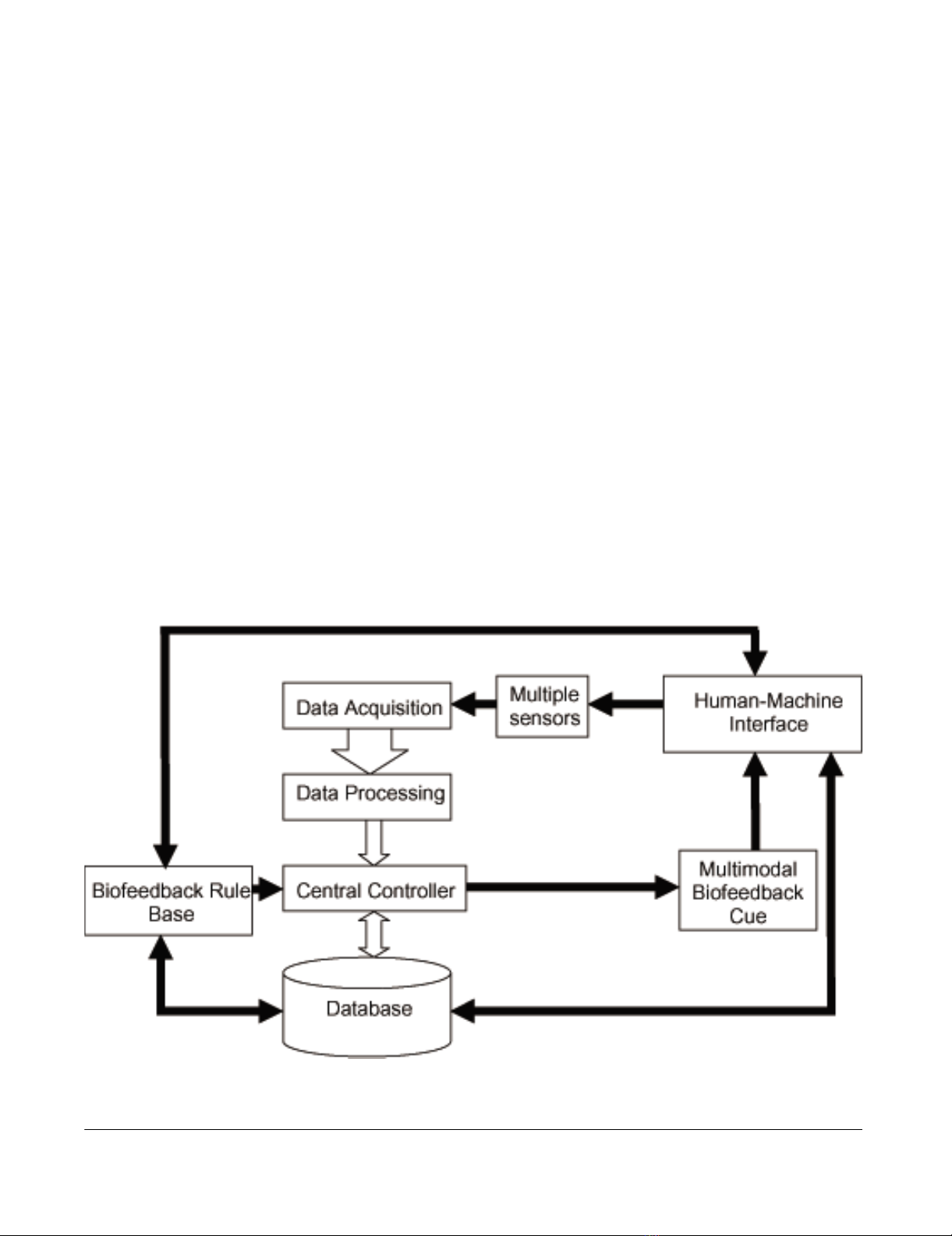
Figure 1 summarizes the general architecture of a task-ori-
ented biofeedback system with multimodal sensor inputs
[65,66]. Table 1 lists the function of each module shown
in Figure 1. The central controller is the system kernel and
contains the fusion algorithms. It receives processed data
observed or derived from sensors, a priori knowledge
from a database or data storage, and biofeedback rules
from the rule base. The embedded fusion algorithm recog-
nizes the current state of the performance based on these
inputs and makes decisions for the feedback display.
The appropriate sensors to use in a biofeedback system
depend on the training task and therapeutic goal. Ever-
increasing processing power allows both data streams
from multiple sensory sources and instant displays of the
parameters derived by a complex algorithm or mathemat-
ical model. For instance, biomechanical models have
been applied in several task-oriented biofeedback studies
to calculate and feed back several variables in real time.
These include joint angles and their derivatives from a
motion capture camera [67,68], the configuration of fin-
gers from an RMII Glove sensitive to fingertip positions
[69], and the patient's self-generated joint torque from
force and angle sensors [70].
A database is classically defined as a collection of informa-
tion organized efficiently for data storage and query [71].
The biofeedback rule database contains rules that define
how sensory information will be processed, how deci-
sions will be made, and in what format information will
be presented to the patient or therapist. They often take
the form of direct mapping from sensory information to
various types of augmented feedback, such as visual, audi-
tory or tactile. Other rules are complex models that proc-
ess the sensory information before feedback. These rules
can be stored with raw data and should be updated and
expanded as technology or knowledge advance. A simple
device may only require data storage, while a complicated
fusion algorithm may require the execution of data min-
ing algorithms to obtain a patient's previous performance
as prior knowledge, and then adjust the rule and decision
criteria to form a user specific training protocol and inter-
face [72].
Previous studies typically used a limited number of sen-
sors so that the data fusion method and the structure of
the applied biofeedback system were relatively simple
[29,35,73]. For example, one study retrained spinal
General architecture of a multisensing task-oriented biofeedback systemFigure 1
General architecture of a multisensing task-oriented biofeedback system. The detailed functions of each module in
the flowchart are described in Table 1.

Journal of NeuroEngineering and Rehabilitation 2006, 3:11 http://www.jneuroengrehab.com/content/3/1/11
Page 5 of 12
(page number not for citation purposes)
injured patients to correct a Trendelenburg gait [35]. The
microcontroller-based portable biofeedback device inte-
grated the data from EMG and insole pressure sensors,
classified the patient's gait into "proper," "improper due
to slow walking speed," or "improper due to low muscle
activities during the swing phase," and then fed back the
classification to patients through different auditory tones.
In this case, the data fusion algorithm was equivalent to a
classifier with manually set threshold. The biofeedback
rules simply mapped a movement condition to a type of
auditory tone. For a complicated task-oriented biofeed-
back system with more sensor inputs and intelligent mon-
itoring and control, effective data fusion may require
more sophisticated algorithms, such as artificial neural
networks or a fuzzy logic based approach [74].
Two examples that apply complex multisensing systems
and fusion algorithms are real-time movement tracking
[75,76] and movement pattern recognition [67]. One
reported multisensing system included magnetic, angular
rate, and gravity sensors to track the 3-D angular motion
of body segments. The sensory fusion employed a
quaternion-based Kalman filter [75,77]. The movement
status was fed back by animating a virtual human on the
screen. In another study, a Kalman filter-based fusion
algorithm fused data from a tri-axis accelerometer, gyro
and magnetometer to more accurately track the position
and orientation of human body segments [76]. The
authors proposed that the system could be applied to vir-
tual reality for medicine without discussing details.
In addition, a research team from the Arts, Media, and
Engineering program at Arizona State University applied
information fusion to an interactive art performance.
They developed a fusion algorithm to recognize gesture
patterns presented by dancers in real-time. The informa-
tion was then fed back through digital graphics and
sounds that reacted to, accompanied, and commented on
the choreography [78]. A motion capture system with
multiple cameras was used to monitor the position in 3D
space of markers attached to a dancer. Postural features
such as joint angles were extracted and then fused for rec-
ognition of movement patterns [67]. Due to variations in
dancers' morphology and execution of the same gestures,
a database was developed to store fusion algorithms in
addition to customized parameters that allowed the algo-
rithm to adapt to different users. However, none of these
studies reported technical details on the implemented
fusion algorithms [67,75,76].
Although information fusion is a potentially powerful
tool for advanced biofeedback systems integrating multi-
modal and multisensor information, the challenge of
determining the most appropriate and effective means to
provide feedback remains.
Virtual reality: technology and application
Multimedia based cue design for task-oriented biofeedback
A challenge in neuromotor rehabilitation is to identify the
best methods to provide repetitive therapy for task train-
ing; these should involve multimodal processes to facili-
tate motor function recovery [61]. Task-oriented
Table 1: Function of Basic Modules in Multisensing Biofeedback Systems for Task Training.
Component Function
Multiple Sensors Multiple sensors transform various physiological or movement related information into recordable electronic
signals.
Data Acquisition Analog signals from multiple sensors are sampled, quantified and streamed into a control system.
Data Processing The digital filter smoothes the data. The embedded algorithm or mathematical model can derive the secondary
parameters as biofeedback indices.
Central Controller The central controller is the kernel of the system. This module receives data from multiple sensors. Based on
the biofeedback rules and user's pervious performance, the fusion algorithm in the controller identifies the
participant's current state of task performance and decides the cue display.
Biofeedback Rule Base This module stores a set of rules or criteria that can be defined by therapist via user interface or by prior
knowledge of performance contained in the database. The rules or criteria are elements of the fusion
algorithm. Decision making regarding the feedback display must obey these rules.
Multimodal Biofeedback Cue This component configures the display hardware such as the screen, speaker, and haptic device. The program
controls the display of augmented multimodal feedbacks based on commands from the controller.
Database The database functions the same as traditional memory but with a more efficient structure for data
management. It stores the parameters that are important to quantitatively evaluate the motor performance of
patient. The controller and rule base access the database, query the patient's prior performance, and then
adjust the feedback parameters and display. The database also allows direct access from authorized users.
Human-Machine Interface This module configures the operation setting, rule choosing, etc. Through the human-machine interface, clients
can customize the biofeedback training program based on their preferences. Authorized therapists or clients
can access the record of a specific patient from the database to evaluate progress toward recovery.


![Báo cáo seminar chuyên ngành Công nghệ hóa học và thực phẩm [Mới nhất]](https://cdn.tailieu.vn/images/document/thumbnail/2025/20250711/hienkelvinzoi@gmail.com/135x160/47051752458701.jpg)