

RESEARC H Open Access
Do urinary tract infections affect morale among
very old women?
Irene Eriksson
1,2*
, Yngve Gustafson
1*
, Lisbeth Fagerström
3
, Birgitta Olofsson
1,4
Abstract
Background: Urinary tract infection (UTI) is among the most common bacterial infections in women of all ages
but the incidence increases with older age. Despite the fact that UTI is a common problem it is still poorly
investigated regarding its connection with experienced health and morale. The aim of this study was to explore
the impact of a diagnosed, symptomatic urinary tract infection (UTI) with or without ongoing treatment on morale
or subjective wellbeing among very old women.
Methods: In a cross-sectional, population-based study, 504 women aged 85 years and older (range 84-104) were
evaluated for ongoing UTI. Of these, 319 (63.3%), were able to answer the questions on the Philadelphia Geriatric
Center Morale Scale (PGCMS) which was used to assess morale or subjective wellbeing.
Results: In the present study sample of 319 women, 46 (14.4%) were diagnosed as having had a UTI with or
without ongoing treatment when they were assessed. Women with UTI with or without ongoing treatment had
significantly lower PGCMS scores (10.4 vs 11.9, p = 0.003) than those without UTI, indicating a significant impact on
morale or subjective wellbeing among very old women. Depression (p < 0.001), UTI (p = 0.014) and constipation
(p = 0.018) were the medical diagnoses significantly and independently associated with low morale in a
multivariate regression model.
Conclusions: As UTI seems to be independently associated with low morale or poor subjective wellbeing, there
needs to be more focus on prevention, diagnosis and treatment of UTI in old women.
Background
Urinary tract infection (UTI) is among the most com-
mon bacterial infections in women of all ages but the
incidence increases with olderage.Almosthalfofall
women have suffered from at least one UTI sometime
during their reproductive years and this increases to at
least 60% in postmenopausal women [1-3]. Important
risk factors are oestrogen deficiency, urinary retention,
urinary incontinence, a prior history of UTI, sexual
activity and diabetes [2-5]. UTI in older patients can be
a complex problem in terms of approach to diagnosis,
treatment and prevention because in older patients it
frequently presents with a range of atypical symptoms
such as delirium, gastrointestinal signs and falls [6-11].
Caregivers may not always understand the impact that
an apparently trivial illness such as UTI has on the
patient and successful treatment from a medical point
of view may not always translate into enhanced quality
of life [12].
Although uncomplicated UTI in women is considered
to be a relatively benign and self-limiting condition, it
has an effect on the quality of life and causes unneces-
sary suffering, for example in the form of weakness and
a feeling of being ill [13,14]. Any illness, even if short-
lived and not life-threatening, can have an important
impact on the patient’s daily activities, social functioning
and wellbeing [15,16]. Acute cystitis, as well as a failure
of the treatment, and adverse effects of antibiotics can
reduce women’s quality of life [17].
Quality of life is a multidimensional concept and
could be difficult to define faced with the lack of a con-
sensual definition. Subjective indicators, however, such
as sense of wellbeing and satisfaction with life can
describe the concept. The World Health Organization
Quality of Life Group (WHOQOL) (1995) defined qual-
ity of life as the “individual’s perception of their position
in life in the context of the culture and value systems in
* Correspondence: irene.eriksson@his.se; yngve.gustafson@germed.umu.se
1
Department of Community Medicine and Rehabilitation, Geriatric Medicine,
Umeå University, Umeå, Sweden
Eriksson et al.Health and Quality of Life Outcomes 2010, 8:73
http://www.hqlo.com/content/8/1/73
© 2010 Eriksson et al; licensee BioMed Central Ltd. This is an Open Access article distributed under the terms of the Creative Commons
Attribution License (http://creativecommons.org/licenses/by/2.0), which permits unrestricted use, distribution, and reproduction in
any medium, provided the original work is properly cited.

which they live and with regard to their goals, expecta-
tions, standards and concerns”(p. 1403). Quality of life
includes at a minimum physical, psychological and
social dimensions. The physical dimension describes the
individual’s perception of their physical state, the psy-
chological dimension the individual’s perception of their
cognitive and affective states and the social dimension
describes the individual’s perception of the interpersonal
relationships and social roles in their life [18]. Various
concepts, such as life satisfaction, subjective or psycho-
logical wellbeing and morale are used synonymously in
the literature [19]. Morale, which we chose to use in
this study, is defined by Lawton as a basic sense of satis-
faction with oneself, a feeling that there is a place in the
environment for oneself, and a certain acceptance of
what cannot be changed [20]. Morale has been reported
to be influenced by different medical conditions such as
diabetes, stroke, depression, Parkinson’s disease and
heart failure [21-23]. Those with high morale are often
active, sociable and optimistic in their attitudes but
these attributes are not essential components of high
morale [20]. Morale can be influenced by depression but
it is not known whether low morale is a predictor of
depression [22,23]. People can still have high morale
even if their philosophy of life is pessimistic and if they
are inactive and solitary [20]. Despite the fact that UTI
is a common problem it is still poorly investigated
regarding its connection with experienced health and
morale. There is a lack of population-based studies in
very old women with ongoing UTI and its association
with morale. The purpose of this study was to explore
whether a diagnosed symptomatic UTI with or without
ongoing treatment had any impact on morale or subjec-
tive wellbeing among very old women.
Methods
Sample
ThisstudyisapartoftheGErontologicalRegional
DAtabase project (GERDA project), itself a continuation
oftheUmeå85+studythattookplaceintheurban
municipality of Umeå and five rural municipalities in
the county of Västerbotten in Sweden 2005-2007 and in
the municipalities of Vaasa and Mustasaari in Finland
during 2005-2006 [24]. The subjects were selected from
the population record, acquired from the Swedish and
Finnish tax agencies respectively. A random sample,
comprising half of the 85-year-olds, and the total popu-
lation of 90-year-olds and ≥95-year-olds was selected for
participation. Of the total sample of 698 women, 271
(38.8%) were from Finland and 427 (61.2%) from
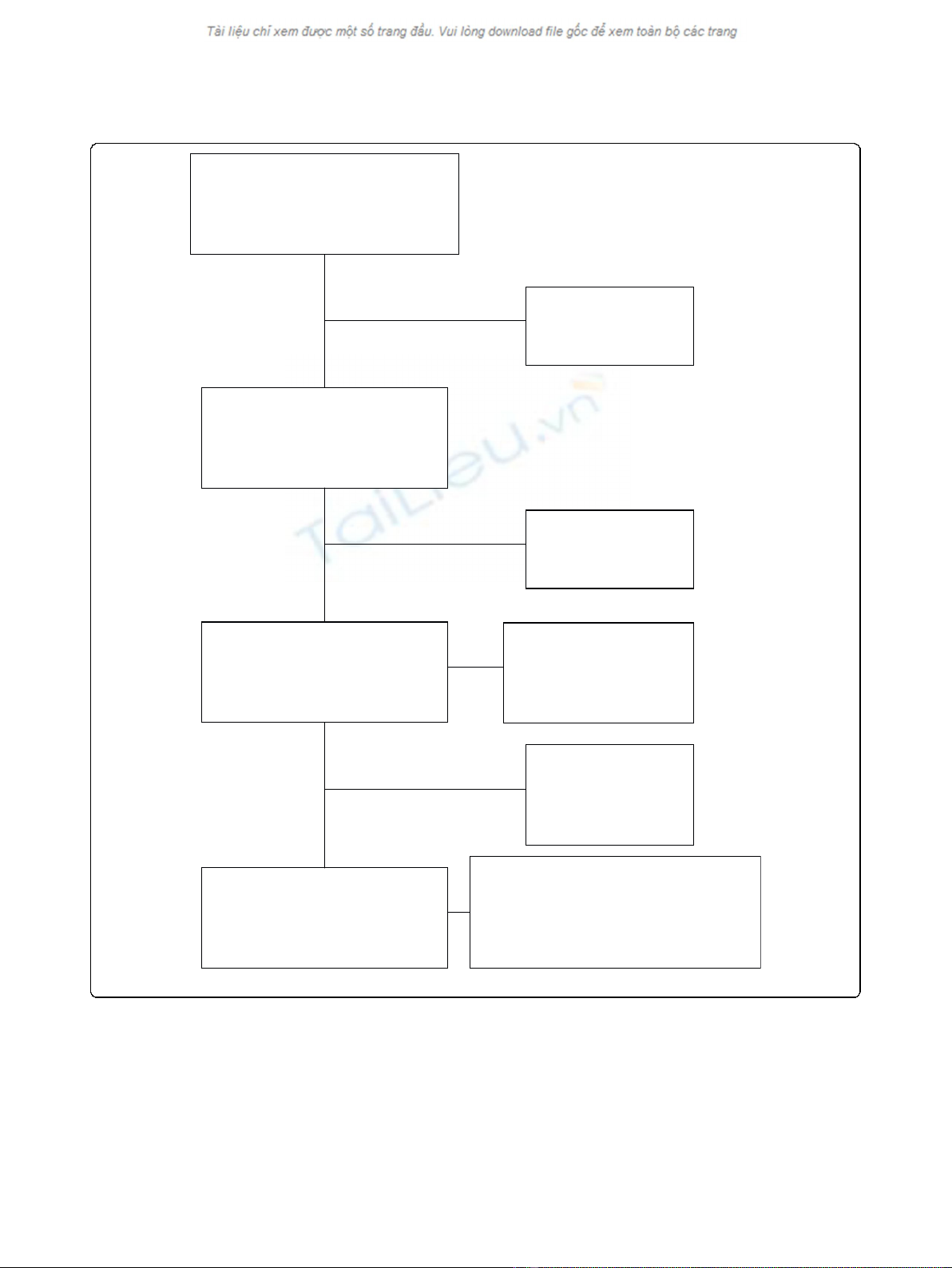
Sweden and 504 could be evaluated for UTI (Figure 1).
These 504 women comprised 85-year-olds (n = 172),
90-year-olds (n = 169) and ≥95-year-olds (n = 163). The
Philadelphia Geriatric Center Morale Scale (PGCMS)
wasusedtoassessmoraleand185ofthe504women
were unable to answer the questions or declined to
receivehomevisits.Theydidnotdifferfromthe
remaining sample regarding the prevalence of UTI but
they were older and a larger proportion suffered from
dementia. The final study sample consisted of 319 parti-
cipants and comprised 85-year-olds (n = 119), 90-year-
olds (n = 110) and ≥95-year-olds (n = 90).
Procedure
The same procedure was used, as in the Umeå 85+
study, which has been described in detail earlier [24].
The investigator, who was a nurse, a physician, a phy-
siotherapist or a medical student, made one or more
home visits to those who gave their consent. Each home
visit, including assessments and a structured interview,
took approximately two hours to complete. Data were
also collected from medical records, from hospitals and
from the patient’s general practitioner, and from care-
givers and relatives.
Social factors
The GERDA project includes information about social
background variables such as living conditions and both
participants living in their own homes and those living
in institutions were included.
Medical factors
Medical history and current health status as well as cur-
rent drug use - both prescription and non-prescription
drugs - were also included in the information. Reliable
and well-known assessment scales were used. The Mini
Mental State Examination (MMSE) was used to assess
cognition in the participants. The scale has a maximum
scoreof30withascoreof23orlessindicating
impaired cognition [25]. The Geriatric Depression Scale-
15 (GDS-15) was used to assess depressive symptoms.
Scores of between five and nine indicate mild depres-
sion, and a score of ten or more indicates moderate to
severe depression [26]
Functional factors
Dependency in activities of daily living was assessed
using the ADL Staircase (including the KATZ Index of
ADL) which measures both Instrumental ADL and Per-
sonal ADL [27] and the Barthel ADL Index with a maxi-
mum score of 20 indicating independence in all personal
ADL activities [28]. The participants’height and weight
were assessed and Body Mass Index (BMI) calculated
(kg/m
2
).
Based on all assessments, drug treatments and all doc-
umentation in medical records a specialist in geriatric
medicine evaluated all data, in order to arrive at diag-
noses, using the same criteria for all participants.
Eriksson et al.Health and Quality of Life Outcomes 2010, 8:73
http://www.hqlo.com/content/8/1/73
Page 2 of 8
Dementia and depression were diagnosed according to
the DSM IV criteria, based on medical history, test
results and medical record notes.
Morale
Quality of life instruments for old people were reviewed
by the British Geriatrics Society and the Royal College
of Physicians of London. They recommend the use of
the PGCMS for assessment of morale or subjective well-
being among old people [29]. This study assessed mor-
ale using the 17-item British English version of the
PGCMS, translated into Swedish [20,22,30]. The scores
range from 0 to 17, where scores of 17-13 indicate high
morale, 12-10 middle range and 9-0 low morale. The
In the study, n=504
85: n=172 (34.1%)
90: n=169 (33.5%)
≥95:n=163 (32.3%)
77.9% of 647
Died before
request made
n=51
7.3% of 698
Final study sample, n=319
85: n=119 (37.3%)
90: n=110 (34.5%)
≥95: n=90 (28.2%)
49.3% of 647
Not able to complete
the PGCMS
n=185
36.7% of 504
Urinary tract infection with on-going
treatment
85: n=10 (8.4%)
90: n=12 (10.9%)
≥95: n=24 (26.7%)
Asked to participate
n=647
85-year-olds: n=225 (34.8%)
90-year-olds: n=216 (33.4%)
≥95-year-olds:n=206 (31.8%)
Selected participants
n=698
85-year-olds: n=241 (34.5%)
90-year-olds: n=230 (33.0%)
≥95-year-olds:n=227 (32.5%)
Declined
participation
n=143
22.1% of 647
Urinary tract infection
with on-going treatment
85: n=18 (10.5%)
90: n=26 (15.4%)
≥95:n=43(26.4%)
Figure 1 Flow chart of the study population.
Eriksson et al.Health and Quality of Life Outcomes 2010, 8:73
http://www.hqlo.com/content/8/1/73
Page 3 of 8

PGCMS is also comparatively easy to use in people with
mild to moderate cognitive impairment since the ques-
tions only require yes/no answers [20,29]. In this study,
the scale was interviewer administered.
Definition of UTI
UTI was diagnosed if the person had a documented
symptomatic UTI, with either short or long-term
ongoing treatment with antibiotics, or symptoms and
laboratory tests judged to indicate a UTI by the respon-
sible physician or the assessor. Medical records from the
general practitioner, from the hospitals in the catchment
area or records from the caring institutions were also
investigated to evaluate and validate the UTI diagnosis.
The UTI diagnosis in the medical records was based on
urinary tests in combination with symptoms that were
judged to be associated with UTI by the responsible
physician. In addition, the results from all urinary cul-
tures registered at the regional bacteriological laboratory
were reviewed. This means that the UTI diagnose was
registered if the participants had symptoms and/or signs
of UTI when they were assessed or had had a recent
diagnosis of UTI.
Data analysis
The c
2
and Student’s t-tests were used to analyze differ-
ences between groups and Pearson’s correlation analyses
were used for associations between continuous variables.
A multivariate linear regression model was constructed,
based on a priori hypotheses that morale could be influ-
enced by medical conditions such as infections, diabetes,
stroke, depression, Parkinson’s disease and heart failure.
Diagnoses that had a statistically significant association
with low PGCMS scores were included in multivariate
linear regression models to find the independent diag-
noses associated with PGCMS scores. A p-value of < .05
was regarded as statistically significant. The Predictive
Analytics Software (PASW) Statistics version 18 (SPSS
Inc., Chicago, IL) was used for the calculations.
Ethics
The study was approved by the Regional Ethical Review
Board in Umeå (registration number 05-063M) and the
Ethics Committee of Vaasa Central Hospital (registra-
tion number 05-87).
Results
In the present study sample of 319 women, 46 (14.4%)
were diagnosed as having had a UTI with or without
ongoing treatment when they were assessed. Of the 46
women with a UTI, 10/119 (8.4%) were 85 years old,
12/110 (10.9%) were 90 years old and 24/90 (26.7%)
were ≥95 years old. Almost two thirds of the 46 women
had had two or more UTIs in the preceding year. The
clinical characteristics of women who suffered from a
UTI compared to those who did not are shown in Table
1. Of the 46 women with UTI, 31 had an ongoing treat-
ment for UTI and in 15 cases, the assessor who made
the home-visit, found documentation in the records
and/or received information from the staff (responsible
nurse) indicating UTI. In 12 of the 46 cases documenta-
tion of laboratory tests such as urinary cultures were
found. The documentation included symptoms and
laboratory tests. Participants diagnosed with depression,
dementia, constipation, heart failure, stroke, impaired
vision and UTI had significantly reduced morale accord-
ing to the PGCMS, compared with those without these
diagnoses (Table 2). Women with UTI had a mean
score on the PGCMS of 10.4 ± 3.6 versus 11.9 ± 3.1
(p = 0.003) for those without UTI.
Participants living alone or in institutions had signifi-
cantly reduced morale, according to the PGCMS.
Lower PGCMS scores were also seen in participants
who were dependent in eating, transfer and toileting,
did not go outside, had an indwelling catheter and
reduced vision (Table 2). The low PGCMS scores cor-
related significantly with high age, large number of
drugs and low scores on Barthel’sADLindex,GDS
and MMSE (Table 3).
In the final multivariate linear regression model the
diagnoses independently associated with low PGCMS
scores were, depression (b= 3.31, p < 0.001), UTI (b=
1.07, p = 0.014) and constipation (b= 0.74, p = 0.018)
and these three factors explained 31% of the variations
of the PGCMS score (Table 4) while diagnoses such as
urinary incontinence, heart failure, dementia and stroke
did not qualify for the final multivariate linear regression
model.
Discussion
In the present study sample, 14% of very old women
had a diagnosed UTI with or without ongoing treatment
and the prevalence increased with age. UTI was asso-
ciated with a significantly lower PGCMS score in this
study and UTI, depression and constipation were the
diagnoses independently associated with low morale in a
multivariate regression model in old women. Diagnoses
such as malignancies, rheumatic diseases, stroke,
dementia, heart failure and diabetes were not signifi-
cantly associated with low morale in the regression
model. It was remarkable that although the women with
UTI were receiving ongoing treatment at the time that
they were assessed using the PGCMS, they nevertheless
experienced low morale.
Old age is associated with reduced reserve capacity
and in addition many old women suffer from multiple
diseases. Very old women, as in this study, may have
major responses to relatively minor insults such as
Eriksson et al.Health and Quality of Life Outcomes 2010, 8:73
http://www.hqlo.com/content/8/1/73
Page 4 of 8

infections and constipation. Thus, in a frail old woman a
UTI might have a more serious impact on morale than
in younger and healthier people. Another possible expla-
nation might be that these women felt ill as a result of
the medical treatment itself or because the treatment
did not have the expected effect on the UTI. It has pre-
viously been shown that adverse effects of antibiotics as
well as treatment failure can reduce quality of life [17].
Another explanation might be that these women have
an enduring feeling of poor wellbeing over a long period
of time, despite medical treatment of their UTI.
The association between UTI and morale among these
old women in the present study is in line with previous
findings from studies among younger women [14,16,31].
Women with UTI experience the symptoms in various
ways but descriptions of the difficulty of enduring such
symptoms as burning are common [31]. The symptoms
are also described as a general feeling of being physically
miserable as well as tired and irritable. The results indi-
cate that UTI has a significant effect on morale despite
the fact that the general opinion is that it is a “harmless”
disease. A somewhat surprising finding in this study was
that UTI with or without ongoing treatment - but not
urinary incontinence - had a significant impact on mor-
ale in these old women. Especially since previous studies
have found that, old women, suffering from urinary
incontinence often have a reduced quality of life [32,33].
However, in the present study UTI in old women seems
to be more important for morale than urinary inconti-
nence. It is not unusual for UTI and urinary inconti-
nence to have similar symptoms and sometimes
incontinence itself is a symptom of a UTI. Thus it is
sometimes possible to deal with urinary incontinence
problems by treating the UTI. Nevertheless, it is impor-
tant for the caregivers to be aware of both UTI and
urinary incontinence, since both might have an impact
on old women’s morale.
As one might expect, in the present study depression
was associated with low morale according to the
PGCMS in the univariate analyses and also remained so
in the final multivariate linear regression model. These
findings are supported by previous studies [23,34] which
Table 1 Characteristics of women (n = 319) with and without urinary tract infection with ongoing treatment
UTI (n = 46) NO UTI (n = 273) THE TOTAL SAMPLE (n = 319)
Social factors n % n % p- value n %
Civil status (single) (n = 46/271) 45 97.8 246 90.8 0.107 291 91.8
Living alone 44 95.7 232 85.0 0.050 276 86.5
In institutional care 28 60.9 85 31.1 <0.001 113 35.4
Medical factors
Constipation - current 23 50.0 102 37.4 0.104 125 39.2
Dementia 25 54.3 77 28.2 <0.001 102 32.0
Depression 22 47.8 100 36.6 0.148 122 38.2
Diabetes 8 17.4 41 15.0 0.680 49 15.4
Heart failure 23 50.0 82 30.0 0.008 105 32.9
Hip fractures 10 21.7 25 9.2 0.012 35 11.0
Indwelling catheter 5 10.9 1 0.4 <0.001 6 1.9
Impaired hearing (n = 45/270) 14 31.1 40 14.8 0.008 54 17.1
Impaired vision (n = 46/272) 9 29.6 45 16.5 0.354 54 17.0
Malignancies 6 13.0 19 7.0 0.156 25 7.8
Rheumatic disease 4 8.7 31 11.4 0.593 35 11.0
Stroke in the preceding five years 7 15.2 23 8.4 0.144 30 9.4
Urinary incontinence - current 20 43.5 78 28.6 0.043 98 30.7
Functional factors
Eats independently according to KATZ (n = 46/272) 44 95.7 266 97.8 0.391 310 97.5
Goes outside independently according to KATZ (n = 45/271) 19 42.2 184 67.9 0.001 203 64.2
Independent in toileting according to KATZ (n = 46/272) 30 65.2 235 86.4 <0.001 265 83.3
Transfers independently (n = 46/272) 32 69.6 245 90.1 <0.001 277 87.1
Mean ± SD Mean ± SD Mean ± SD
Barthel’s ADL index (n = 46/269) 13.7 ± 6.2 17.4 ± 4.1 <0.001 16.9 ± 4.7
BMI (n = 42/264) 25.0 ± 3.9 25.7 ± 4.5 0.356 25.6 ± 4.4
GDS (n = 45/271) 4.4 ± 2.7 3.5 ± 2.4 0.018 3.6 ± 2.5
MMSE (n = 46/272) 19.7 ± 6.2 22.5 ± 5.4 0.002 22.0 ± 5.6
Number of drugs 9.2 ± 3.9 6.6 ± 3.9 <0.001 7.0 ± 4.0
Eriksson et al.Health and Quality of Life Outcomes 2010, 8:73
http://www.hqlo.com/content/8/1/73
Page 5 of 8



%20--%3e%3cdefs%3e%3cstyle%3e%20.st0%20{%20fill:%20%23fff;%20}%20.st1%20{%20fill:%20%237800fa;%20}%20%3c/style%3e%3c/defs%3e%3cpath%20class='st1'%20d='M117.78,12.18H43.11c2.9,3.47,4.65,7.94,4.65,12.82,0,5.6-2.3,10.66-6.01,14.29h76.02l7.22-13.56-7.22-13.56Z'/%3e%3cg%3e%3cpath%20class='st0'%20d='M53.58,26.17h-.59v-1.46h.59v-4.96h2.83c1.78,0,2.67.94,2.67,2.82v5.76c0,1.87-.89,2.81-2.67,2.81h-2.83v-4.96ZM55.36,21.37v3.34h1.1v1.46h-1.1v3.34h1.01c.61,0,.91-.37.91-1.1v-5.93c0-.74-.3-1.1-.91-1.1h-1.01Z'/%3e%3cpath%20class='st0'%20d='M65.99,31.14h-1.8l-.31-2.07h-2.19l-.31,2.07h-1.64l1.82-11.39h2.62l1.82,11.39ZM65.28,18.04c-.25.46-.51.77-.75.94-.21.15-.47.22-.79.22-.26,0-.57-.07-.92-.22l-.38-.15c-.14-.05-.26-.07-.37-.07-.3,0-.53.18-.71.54l-.91-.68c.25-.46.51-.77.75-.94.21-.14.48-.21.79-.21.26,0,.57.07.92.21l.38.15c.14.05.26.07.37.07.3,0,.53-.18.71-.54l.91.68ZM61.91,27.52h1.73l-.87-5.76-.87,5.76Z'/%3e%3cpath%20class='st0'%20d='M74.53,26.89v1.52c0,1.91-.89,2.86-2.67,2.86s-2.67-.95-2.67-2.86v-5.93c0-1.91.89-2.86,2.67-2.86s2.67.95,2.67,2.86v1.11h-1.69v-1.22c0-.75-.31-1.12-.93-1.12s-.93.37-.93,1.12v6.15c0,.74.31,1.11.93,1.11s.93-.37.93-1.11v-1.63h1.69Z'/%3e%3cpath%20class='st0'%20d='M81.4,31.14h-1.8l-.31-2.07h-2.19l-.31,2.07h-1.64l1.82-11.39h2.62l1.82,11.39ZM75.9,19.2l1.52-1.91h1.71l1.51,1.91h-1.61l-.76-.95-.75.95h-1.61ZM77.32,27.52h1.73l-.87-5.76-.87,5.76ZM83.1,15.99l-1.76,1.91h-1.26l1.17-1.91h1.86Z'/%3e%3cpath%20class='st0'%20d='M84.86,19.75c1.78,0,2.67.94,2.67,2.82v1.48c0,1.87-.89,2.81-2.67,2.81h-.85v4.28h-1.79v-11.39h2.64ZM84.01,21.37v3.86h.85c.58,0,.87-.36.87-1.08v-1.71c0-.71-.29-1.07-.87-1.07h-.85Z'/%3e%3cpath%20class='st0'%20d='M93.51,19.75c1.78,0,2.67.94,2.67,2.82v1.48c0,1.87-.89,2.81-2.67,2.81h-.85v4.28h-1.79v-11.39h2.64ZM92.66,21.37v3.86h.85c.58,0,.87-.36.87-1.08v-1.71c0-.71-.29-1.07-.87-1.07h-.85Z'/%3e%3cpath%20class='st0'%20d='M98.8,31.14h-1.79v-11.39h1.79v4.88h2.03v-4.88h1.83v11.39h-1.83v-4.88h-2.03v4.88Z'/%3e%3cpath%20class='st0'%20d='M105.36,24.55h2.46v1.62h-2.46v3.34h3.09v1.63h-4.88v-11.39h4.88v1.63h-3.09v3.18ZM108.17,17.29l-1.76,1.91h-1.26l1.17-1.91h1.86Z'/%3e%3cpath%20class='st0'%20d='M112.2,19.75c1.78,0,2.67.94,2.67,2.82v1.48c0,1.87-.89,2.81-2.67,2.81h-.85v4.28h-1.79v-11.39h2.64ZM111.35,21.37v3.86h.85c.58,0,.87-.36.87-1.08v-1.71c0-.71-.29-1.07-.87-1.07h-.85Z'/%3e%3c/g%3e%3ccircle%20class='st1'%20cx='25'%20cy='25'%20r='20'/%3e%3cpath%20class='st0'%20d='M32.78,19.27c2.92,0,4.43,2.55,5.28,5.33l.71,2.17c.14.38-.33.75-.71.75h-5.61c.19-.33.24-.71.09-1.08l-.75-2.45c-.43-1.32-.99-2.64-1.79-3.77.75-.57,1.65-.94,2.78-.94h0ZM25,18.38c3.25,0,4.9,2.78,5.89,5.89l.76,2.45c.14.42-.33.8-.8.8h-11.69c-.42,0-.94-.38-.8-.8l.75-2.45c.99-3.11,2.64-5.89,5.89-5.89h0ZM25,11.35c1.74,0,3.11,1.37,3.11,3.11s-1.37,3.11-3.11,3.11-3.11-1.41-3.11-3.11,1.41-3.11,3.11-3.11h0ZM17.27,19.27c1.08,0,1.98.38,2.73.94-.8,1.13-1.37,2.45-1.74,3.77l-.8,2.45c-.14.38-.05.75.09,1.08h-5.56c-.42,0-.9-.38-.75-.75l.71-2.17c.9-2.78,2.41-5.33,5.33-5.33h0ZM17.27,12.91c1.51,0,2.78,1.27,2.78,2.83s-1.27,2.83-2.78,2.83-2.83-1.27-2.83-2.83,1.27-2.83,2.83-2.83h0ZM32.78,12.91c1.56,0,2.78,1.27,2.78,2.83s-1.23,2.83-2.78,2.83-2.83-1.27-2.83-2.83,1.27-2.83,2.83-2.83h0ZM27.07,28.56v.09c0,.57-.24,1.08-.61,1.46h0v.05c-.38.33-.9.57-1.46.57s-1.08-.24-1.46-.61h0c-.38-.38-.61-.9-.61-1.46v-.09h1.41v.09c0,.19.05.38.19.47v.05c.09.09.28.19.47.19s.38-.09.47-.19v-.05c.14-.09.24-.28.24-.47t-.05-.09h1.41ZM30.99,28.56v.09c0,1.65-.66,3.16-1.74,4.24-1.08,1.08-2.59,1.79-4.24,1.79s-3.16-.71-4.24-1.79l-.05-.05c-1.04-1.08-1.7-2.55-1.7-4.2v-.09h1.41v.09c0,1.27.47,2.4,1.27,3.25h.05c.85.85,1.98,1.37,3.25,1.37s2.4-.52,3.25-1.37c.85-.8,1.37-1.98,1.37-3.25v-.09h1.37ZM34.99,28.56v.09c0,2.78-1.13,5.28-2.92,7.07-1.79,1.79-4.29,2.92-7.07,2.92s-5.23-1.13-7.07-2.92c-1.79-1.79-2.92-4.29-2.92-7.07v-.09h1.41v.09c0,2.4.94,4.53,2.5,6.08,1.56,1.56,3.72,2.5,6.08,2.5s4.52-.94,6.08-2.5c1.56-1.56,2.5-3.68,2.5-6.08v-.09h1.41Z'/%3e%3c/svg%3e)