BioMed Central
Page 1 of 11
(page number not for citation purposes)
Implementation Science
Open Access
Research article
Improving eye care for veterans with diabetes: An example of using
the QUERI steps to move from evidence to implementation:
QUERI Series
Sarah L Krein*1,2, Steven J Bernstein1,2, Carol E Fletcher2, Fatima Makki2,
Caroline L Goldzweig3, Brook Watts4, Sandeep Vijan1,2 and
Rodney A Hayward1,2
Address: 1Health Services Research and Development, VA Ann Arbor Healthcare System, Ann Arbor, Michigan, USA, 2Department of Internal
Medicine, University of Michigan, Ann Arbor, Michigan, USA, 3General Internal Medicine and Clinical Informatics, VA Greater Los Angeles
Healthcare System, Los Angeles, California, USA and 4Louis Stokes Cleveland VA Medical Center, Cleveland, Ohio, USA
Email: Sarah L Krein* - sarah.krein@va.gov; Steven J Bernstein - sbernste@umich.edu; Carol E Fletcher - carol.fletcher@va.gov;
Fatima Makki - fatima.makki@va.gov; Caroline L Goldzweig - caroline.goldzweig@va.gov; Brook Watts - brook.watts@va.gov;
Sandeep Vijan - svijan@umich.edu; Rodney A Hayward - rhayward@umich.edu
* Corresponding author
Abstract
Background: Despite being a critical part of improving healthcare quality, little is known about how best to move
important research findings into clinical practice. To address this issue, the Department of Veterans Affairs (VA)
developed the Quality Enhancement Research Initiative (QUERI), which provides a framework, a supportive structure,
and resources to promote the more rapid implementation of evidence into practice.
Methods: This paper uses a practical example to demonstrate the use of the six-step QUERI process, which was
developed as part of QUERI and provides a systematic approach for moving along the research to practice pipeline.
Specifically, we describe a series of projects using the six-step framework to illustrate how this process guided work by
the Diabetes Mellitus QUERI (DM-QUERI) Center to assess and improve eye care for veterans with diabetes.
Results: Within a relatively short time, DM-QUERI identified a high-priority issue, developed evidence to support a
change in the diabetes eye screening performance measure, and identified a gap in quality of care. A prototype scheduling
system to address gaps in screening and follow-up also was tested as part of an implementation project. We did not
succeed in developing a fully functional pro-active scheduling system. This work did, however, provide important
information to help us further understand patients' risk status, gaps in follow-up at participating eye clinics, specific
considerations for additional implementation work in the area of proactive scheduling, and contributed to a change in
the prevailing diabetes eye care performance measure.
Conclusion: Work by DM-QUERI to promote changes in the delivery of eye care services for veterans with diabetes
demonstrates the value of the QUERI process in facilitating the more rapid implementation of evidence into practice.
However, our experience with using the QUERI process also highlights certain challenges, including those related to the
hybrid nature of the research-operations partnership as a mechanism for promoting rapid, system-wide implementation
of important research findings. In addition, this paper suggests a number of important considerations for future
implementation work, both in the area of pro-active scheduling interventions, as well as for implementation science in
general.
Published: 19 March 2008
Implementation Science 2008, 3:18 doi:10.1186/1748-5908-3-18
Received: 8 August 2006
Accepted: 19 March 2008
This article is available from: http://www.implementationscience.com/content/3/1/18
© 2008 Krein et al; licensee BioMed Central Ltd.
This is an Open Access article distributed under the terms of the Creative Commons Attribution License (http://creativecommons.org/licenses/by/2.0),
which permits unrestricted use, distribution, and reproduction in any medium, provided the original work is properly cited.

Implementation Science 2008, 3:18 http://www.implementationscience.com/content/3/1/18
Page 2 of 11
(page number not for citation purposes)
Background
The need to more rapidly move important research find-
ings into clinical practice is recognized as a critical part of
closing the quality chasm [1,2]. Often, the transition from
research breakthrough to clinical practice takes many
years and progresses haphazardly due to fragmentation in
funding, a lack of partnerships and no consistent frame-
work or incentives to encourage movement along the
research to practice pipeline [3]. Moreover, quality gaps
can occur due to a number of "translation blocks" [3,4],
including a potential block in actual implementation that
historically has received little attention from the research
community or research funding agencies. To address these
issues, the Department of Veterans Affairs (VA) developed
the Quality Enhancement Research Initiative (QUERI),
which provides tools as well as a supportive structure and
resources to promote the rapid implementation of evi-
dence into practice [5].
This article is one in a Series of articles documenting
implementation science frameworks and approaches
developed by the U.S. Department of Veterans Affairs
(VA) Quality Enhancement Research Initiative. QUERI is
briefly outlined in Table 1 and is described in more detail
in previous publications [6,7]. The Series' introductory
article [8] highlights aspects of QUERI that are related spe-
cifically to implementation science, and describes addi-
tional types of articles contained in the QUERI Series. The
Diabetes Mellitis QUERI (DM-QUERI) is one of the cur-
rent QUERI Centers, and is one of the original eight Cent-
ers established in 1998 [5,9]. Type 2 diabetes affects
nearly 20% of veterans who use the VA health care system,
or more than one million veterans at any given time. Not
only is diabetes a prevalent condition, it is also associated
with substantial morbidity, mortality, and increased
healthcare costs [10-13]. Among people with diabetes, the
presence of specific risk factors, such as persistently ele-
vated glucose levels and poorly controlled hypertension,
can lead to severe and devastating complications includ-
ing end-stage renal disease, amputation and blindness.
Further, up to 80% of patients with diabetes will develop
or die from macrovascular disease, such as heart attack
and stroke [14,15]. Reducing preventable morbidity and
mortality among veterans with diabetes is the primary
objective of DM-QUERI, with specific diabetes-related pri-
ority areas that include: 1) optimizing management of
cardiovascular risk factors; 2) decreasing rates of diabetes-
related complications, including visual loss, kidney dis-
ease, and lower-extremity ulcers and amputation; 3)
improving patient self-management; 4) better manage-
ment of patients with diabetes and other chronic comor-
bid conditions; and 5) advancing clinically-meaningful
quality/performance measurement as an important tool
for promoting and assessing quality improvement inter-
ventions. Examples of work by DM-QUERI that address
these different priority areas can be found in prior publi-
cations [16-19]
In this paper we illustrate the use of the QUERI six-step
process (Table 1) as a framework for improving the deliv-
ery of VA eye care services for veterans with diabetes. Spe-
cifically, we describe an integrated series of projects,
guided by the QUERI process, which progressed from
identifying a high-priority condition to an implementa-
tion intervention in approximately five years. The impor-
tance of a funding mechanism to support QUERI projects,
including implementation work, also is discussed. We
identify several important considerations for future
implementation work, both specific to proactive schedul-
ing and in general, as well as some challenges with the
QUERI process. The information provided in this paper is
intended to help inform researchers, policymakers and
Table 1: The VA Quality Enhancement Research Initiative (QUERI)
The U.S. Department of Veterans Affairs' (VA) Quality Enhancement Research Initiative (QUERI) was launched in 1998. QUERI was designed to
harness VA's health services research expertise and resources in an ongoing system-wide effort to improve the performance of the VA healthcare
system and, thus, quality of care for veterans.
QUERI researchers collaborate with VA policy and practice leaders, clinicians, and operations staff to implement appropriate evidence-based
practices into routine clinical care. They work within distinct disease- or condition-specific QUERI Centers and utilize a standard six-step process:
1) Identify high-risk/high-volume diseases or problems.
2) Identify best practices.
3) Define existing practice patterns and outcomes across the VA and current variation from best practices.
4) Identify and implement interventions to promote best practices.
5) Document that best practices improve outcomes.
6) Document that outcomes are associated with improved health-related quality of life.
Within Step 4, QUERI implementation efforts generally follow a sequence of four phases to enable the refinement and spread of effective and
sustainable implementation programs across multiple VA medical centers and clinics. The phases include:
1) Single site pilot,
2) Small scale, multi-site implementation trial,
3) Large scale, multi-region implementation trial, and
4) System-wide rollout.
Researchers employ additional QUERI frameworks and tools, as highlighted in this Series, to enhance achievement of each project's quality
improvement and implementation science goals.

Implementation Science 2008, 3:18 http://www.implementationscience.com/content/3/1/18
Page 3 of 11
(page number not for citation purposes)
managers who might be studying or engaged in imple-
menting research into practice.
Methods
Using the QUERI Steps to improve eye care for veterans
with diabetes
Although work by the diabetes QUERI is multi-faceted,
preventing diabetes-related visual loss is a specified area
of concern. As depicted in the QUERI six-step process,
implementation is part of a continuum or pipeline that
progresses from identifying high priority conditions/pop-
ulations to determining evidence-based practices and
quality gaps to designing, implementing and evaluating
quality improvement programs. In the following sections,
we describe a series of projects using the six QUERI steps
to illustrate how this process guided work by DM-QUERI
to assess and improve eye care for veterans with diabetes.
We begin with an overview of the scope of the problem
(QUERI Step 1) and then focus on specific projects for
Steps 2–6, including a brief discussion of the project back-
ground, methods, results and implications, as the full
results of these projects are published elsewhere [20,21].
Given the focus on implementation, we provide greater
detail about the eye care implementation project (QUERI
Steps 4/5/6) and end with a more general discussion and
conclusion section that summarizes key considerations
drawn from this body of work, as well as our experiences
using the QUERI process.
QUERI Step 1: Priority conditions/issue
Diabetes is the leading cause of new cases of blindness in
adults ages 20–74 in the U.S. [22]. In the VA, approxi-
mately one-quarter of all eye procedures performed in
FY1998 were for veterans with diabetes, and among
patients with diabetes examined by an ophthalmologist
nearly 5% were blind [23]. Providing training for blind
veterans through the Blind Rehabilitation Center costs
approximately $20,000–$25,000 during the first year
[23], and this is only the monetary cost that does not take
into account the significant impact of blindness on
patient quality of life. Thus, preventing blindness among
veterans with diabetes is a high-priority issue for the VA
and, as part of our goal to reduce preventable morbidity
and mortality among veterans with diabetes as previously
described, one of several important issues for DM-QUERI.
QUERI Step 2: Evidence-based practices
Evidence suggests that 90% of visual loss due to diabetic
retinopathy can be prevented through optimal medical
and ophthalmologic care, including early detection and
laser therapy [24-27]. There is little disagreement that
laser therapy for established diabetic retinal complica-
tions is an effective treatment. However, the costs and
trade-offs of the standard recommendation to screen all
diabetes patients annually to promote early detection ver-
sus tailoring screening frequency to patient need has been
a topic of debate. To address this issue, a cost-utility study
was conducted to examine the marginal cost-effectiveness
of different screening intervals for patients with type 2 dia-
betes [20].
This research was conducted using simulation techniques
(a Markov model) and a population of patients with dia-
betes based on data from the Third National Health and
Nutrition Examination Survey (NHANES III) [20]. The
simulation model included information about disease
progression, utility estimates, mortality rates, and the rela-
tionship between glycemic control and retinopathy
obtained from prior studies, such as the UK Prospective
Diabetes Study [27]. Costs were estimated from the per-
spective of a third-party payer and were based primarily
on Medicare reimbursement rates [20].
The study showed that risk of blindness varies by both age
and a patient's level of glycemic control over the past 2–3
months. The patients who benefit most from annual
screening and for whom it is cost-effective are those with
very poor glycemic control. However, for those patients
whose previous exam was normal [20], routine annual
screening is not appreciably better in preventing blindness
than screening every 2–3 years, and annual screening
could be an unnecessary burden for some patients. Closer
monitoring of those with known disease also appeared to
be a key factor in preventing diabetes-related blindness.
The results of this Step 2 project, along with similar find-
ings by other researchers [28,29], provided some of the
evidence for review and discussion by a multidisciplinary
panel of a proposed change in the prevailing quality
standard from requiring annual screening for all patients
with diabetes to a risk-stratified approach. In addition,
this study helped identify lack of close follow-up as a pos-
sible quality gap that could result in preventable visual
loss among patients with diabetes, thus leading to Step 3
in the QUERI process.
QUERI Step 3: Quality/performance gaps
Eye screening is important, but screening alone does not
prevent visual loss or blindness. In fact, since FY2002 ret-
inal screening rates for VA patients with diabetes have
been greater than 70% according to performance meas-
urement reports prepared by the VA Office of Quality and
Performance. To better understand the circumstances sur-
rounding preventable visual loss among patients with dia-
betes, a study was undertaken that focused specifically on
the timing of retinal photocoagulation (i.e., laser eye sur-
gery) as a key issue in preventing visual loss [21].
Physician reviewers examined medical records from a uni-
versity ophthalmologic center and two VA Medical Cent-

Implementation Science 2008, 3:18 http://www.implementationscience.com/content/3/1/18
Page 4 of 11
(page number not for citation purposes)
ers for 238 patients who had photocoagulation for
proliferative diabetic retinopathy or macular edema.
Based on pre-specified criteria [21], the reviewers identi-
fied more than 100 patients (43%) whose visual loss was
considered preventable by earlier treatment. Screening-
related failures accounted for approximately one-third of
the cases of suboptimal timing. However, all of these fail-
ures were for patients who had gone more than three years
without an exam. Not a single case of preventable visual
loss was identified for patients who had gone 1–3 years
without a screening exam. More importantly, two-thirds
of cases were associated with problems related to surveil-
lance of those with identified disease, including inade-
quate follow-up, delays in treatment scheduling, or
unexpectedly rapid disease progression.
The results of this Step 3 study identified a lack of close
follow-up of those with known disease as a potentially
important gap in quality of care. Moreover, these findings
suggested that the prevailing performance measure, which
encouraged an annual exam for all patients with diabetes,
could potentially decrease true quality. Trying to screen
everyone annually consumes much of the eye care clinics'
limited resources, thereby making it more difficult to
aggressively monitor and follow veterans at highest risk of
blindness [21].
QUERI Steps 4/5/6: Implementation and evaluation of
improvement program/project
With a high-priority issue identified (QUERI Step 1), evi-
dence to support a change in the diabetes eye screening
performance measure (QUERI Step 2), and an identified
gap in quality of care (QUERI Step 3), the next step was
implementation. Accordingly, DM-QUERI focused on
two initiatives: 1) an intensive lobbying effort to revise the
existing Health Plan Employer Data and Information Set
(HEDIS®) [30] and VA performance measures for diabetes
eye care, and 2) an implementation project to promote
close follow-up of high-risk patients. First, as mentioned
in our discussion of QUERI step 2, changing the diabetes
eye care quality measure used in HEDIS® and the VA's
quality monitoring system was actively being debated.
Efforts directed toward changing the current measurement
policies began well before the eye care implementation
project and continued throughout much of the study
period, as described in more detail in the next section. Sec-
ond, DM-QUERI received funding through VA's Health
Services Research and Development Service's (HSR&D)
service-directed project mechanism, which was specifi-
cally established for implementation studies, to support
an eye care implementation project. The proposed imple-
mentation project was a small scale multi-site study (or
phase 2 project as described in Table 1) with a quasi-
experimental design. However, the design was changed to
a single-site pilot (or phase 1 project as described in Table
1) because of difficulty with implementation. Institu-
tional review board approval for this project was obtained
from the participating VA medical centers.
Results
Implementation project design
There are many studies of interventions to improve the
management of patients with diabetes [31,32]. However,
given that the focus of the proposed eye care implementa-
tion project was on scheduling and follow-up, rather than
diabetes care per se, we chose a conceptual design based
on successful strategies used in other types of scheduling
interventions [33] and a general model of organizational
change as described by Gustafson et al. [34]. Specifically,
it has been shown that improvements in rates of adult
immunization and cancer screening are most likely to
occur through organizational changes in staffing and clin-
ical processes [33]. These changes include: (1) establish-
ing a separate clinic devoted to screening and prevention
activities, (2) using planned clinic visits for prevention,
(3) using techniques similar to continuous quality
improvement, and (4) delegating specific prevention
responsibilities to non-physician staff. Accordingly, the
planned change for the eye care project was to shift the
coordination of diabetes eye care from primary care to the
eye clinic, and to provide the eye clinic staff with auto-
mated tools that would facilitate the scheduling of less fre-
quent screening exams for low-risk patients and more
aggressive follow-up of veterans at higher risk.
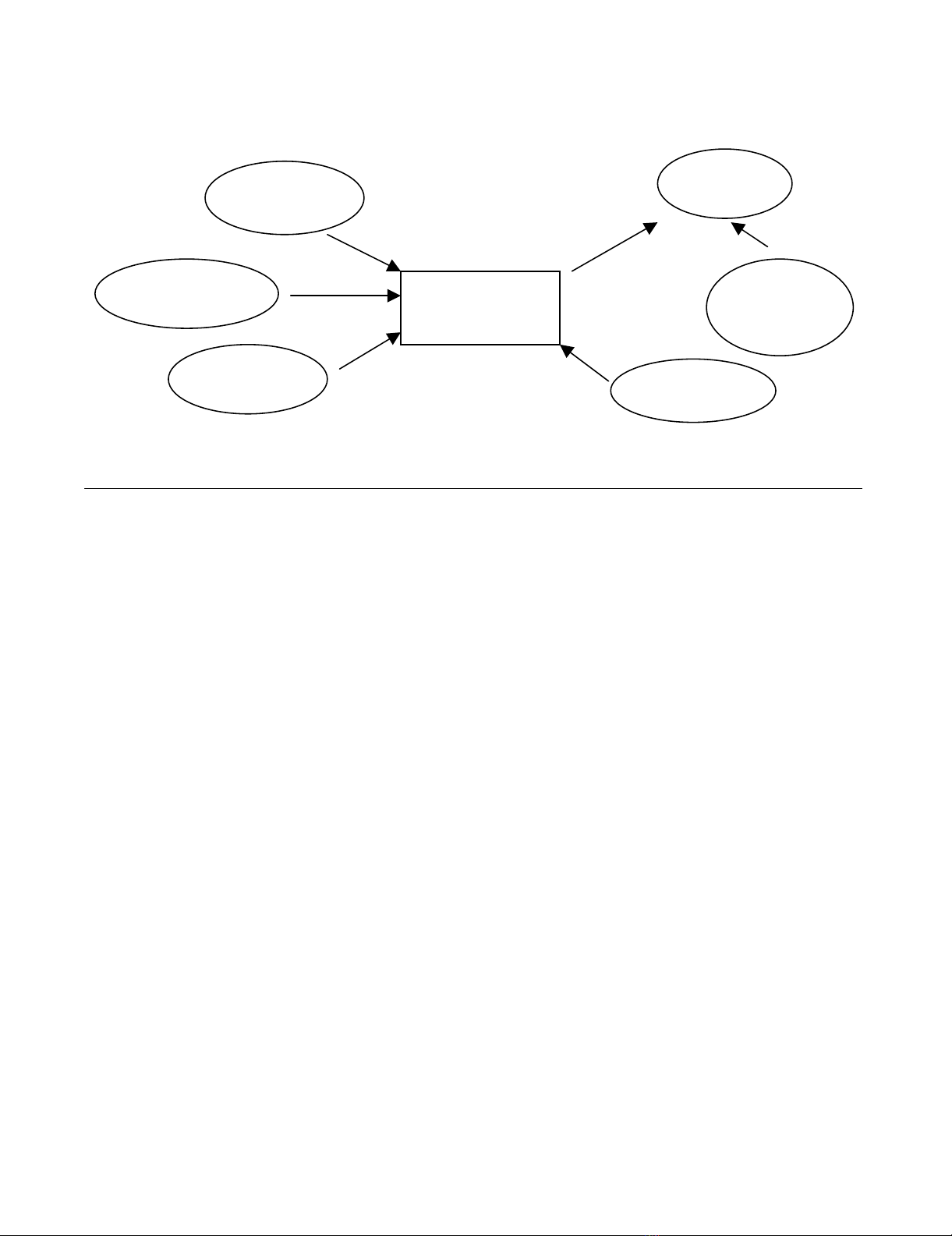
To help guide the implementation process [35], we
employed an implementation model derived from prior
work in the area of organizational and individual change
(Figure 1) [34]. This model consisted of: 1) creating ten-
sion for change, 2) identifying effective alternatives, 3)
developing social support, 4) developing skills, and 5)
building infra-structure. During the initial stages, a major
focus of the diabetes eye care project was on building the
infrastructure required to support the proposed changes
and improve the care of patients with diabetes.
Building infrastructure
A cornerstone of the eye care intervention was a system for
automatically tracking patients based on risk status –
"Progressive Reminder and Scheduling System (PRSS)"
(Figure 2). The PRSS required three basic pieces of infor-
mation: 1) risk status, which is assigned by the eye care
provider following a clinical exam; 2) follow-up interval,
which is the recommended time for the patient's next
visit; and, 3) appointment status, which includes whether
an appointment is scheduled, whether a visit is made, or
if the appointment is cancelled or missed.
Despite the sophistication of VA's health information
technology [36], only appointment status is currently
Implementation Science 2008, 3:18 http://www.implementationscience.com/content/3/1/18
Page 5 of 11
(page number not for citation purposes)
available in an extractable electronic format. Risk status
and recommended follow-up are generally part of the
electronic health record, but are in text format only as part
of the clinician's medical note. The appointment and
scheduling system is distinct from the rest of the electronic
health record. Consequently, a mechanism to capture
patient-risk status and recommended follow-up time had
to be developed along with a process for combining this
information with appointment and scheduling data.
Working with local information technology personnel,
we tested a number of strategies for obtaining and inte-
grating the necessary information; however, the inability
to connect the scheduling system with the clinical data
system prevented the development of a fully automated
proactive scheduling system. So, after several months a
simplified, manual version of the PRSS was developed
using a Microsoft® Access database. Initial development of
the PRSS took place at one study site (Site A) with the
intent of developing similar but organizationally tailored
systems at two other study sites (Sites B and C).
The database was populated by identifying a cohort of
patients with diabetes using encounter and prescription
data obtained from national VA databases [37,38]. Next,
in collaboration with the Site A eye clinic, an existing
"check out form" was modified to collect risk status infor-
mation and the recommended follow-up interval. The
modified form prompted the provider (generally an oph-
thalmology resident) to record risk status using three risk
categories: 1) low risk or normal exam, 2) early disease
(e.g., micro aneurysms without macular edema), and 3)
high-risk (i.e., patients with disease progression, neo-vas-
cularization on the disc or macular edema). An "other"
category was included to identify diabetes patients who
might require closer follow-up due to eye problems other
than retinopathy, such as glaucoma or cataracts. The pro-
vider was asked to indicate a follow-up timeframe for
those patients who were identified as high risk or in the
other category.
Information about risk status and recommended follow-
up time from the check-out forms was entered into the
Access database. Based on the number of months speci-
fied by the provider, a recommended follow-up date was
calculated for those patients identified as high risk. Diabe-
tes patients who had a normal exam, and no other condi-
tion specified, were automatically assigned a two-year
follow-up appointment, while those with mild disease
were assigned a one-year follow-up appointment. This
information could then be merged with data from the
scheduling system to identify patients with high-risk eye
conditions who either were not scheduled for an appoint-
ment within the recommended time-frame or who were
already past the time for their recommended appoint-
ment (e.g., 30 days past the recommended follow-up
date). This information also facilitated the pro-active fol-
low-up, by clinic staff, of those individuals at greatest risk
for preventable visual loss.
In addition, the PRSS database was used to identify
patients with no eye appointment in the past two years.
This step was not part of the original study plan but was
requested by the service-directed project review commit-
tee. After discussions with VA Ophthalmology personnel
and the ambulatory care service leadership at Site A, it was
decided to send a letter to individuals with no identified
appointment in the past two years, signed by the Associate
Chief Of Staff for primary care. Along with the letter, vet-
Eye Care Scheduling Intervention Implementation FrameworkFigure 1
Eye Care Scheduling Intervention Implementation Framework. Based on Gustafson, et al. [34].
Create tension
for change
Identify effective
alternatives
Develop
social support Develop skills
Build
supporting
infrastructure
Intention to
change
Change