
applied
sciences
Review
Extraction, Characterization, and Applications of Pectins from
Plant By-Products
Anissa Belkheiri 1, Ali Forouhar 2, Alina Violeta Ursu 1, Pascal Dubessay 1, Guillaume Pierre 1,
Cedric Delattre 1,3 , Gholamreza Djelveh 1, Slim Abdelkafi 4, Nasser Hamdami 2and Philippe Michaud 1,*
Citation: Belkheiri, A.; Forouhar, A.;
Ursu, A.V.; Dubessay, P.; Pierre, G.;
Delattre, C.; Djelveh, G.; Abdelkafi, S.;
Hamdami, N.; Michaud, P. Extraction,
Characterization, and Applications of
Pectins from Plant By-Products. Appl.
Sci. 2021,11, 6596. https://doi.org/
10.3390/app11146596
Academic Editor: Gohar Khachatryan
Received: 14 June 2021
Accepted: 14 July 2021
Published: 18 July 2021
Publisher’s Note: MDPI stays neutral
with regard to jurisdictional claims in
published maps and institutional affil-
iations.
Copyright: © 2021 by the authors.
Licensee MDPI, Basel, Switzerland.
This article is an open access article
distributed under the terms and
conditions of the Creative Commons
Attribution (CC BY) license (https://
creativecommons.org/licenses/by/
4.0/).
1
CNRS, SIGMA Clermont, Institut Pascal, UniversitéClermont Auvergne, F-63000 Clermont-Ferrand, France;
anissa.belkheiri@etu.uca.fr (A.B.); alina_violeta.ursu@uca.fr (A.V.U.); pascal.dubessay@uca.fr (P.D.);
guillaume.pierre@uca.fr (G.P.); cedric.delattre@uca.fr (C.D.); gholamreza.djelveh@sigma-clermont.fr (G.D.)
2Food Science and Technology Department, College of Agriculture, Isfahan University of Technology,
Isfahan 84156, Iran; a.forouhar@ag.iut.ac.ir (A.F.); hamdami@cc.iut.ac.ir (N.H.)
3Institut Universitaire de France, 1 Rue Descartes, 75005 Paris, France
4Laboratoire de Génie Enzymatique et Microbiologie, Equipe de Biotechnologie des Algues, Ecole Nationale
d’Ingénieurs de Sfax, Universitéde Sfax, Sfax 3029, Tunisia; slim.abdelkafi@enis.tn
*Correspondence: philippe.michaud@uca.fr; Tel.: +33-473407425
Abstract:
Currently, pectins are widely used in the cosmetic, pharmaceutical, and food industries,
mainly as texturizing, emulsifying, stabilizing, and gelling agents. Pectins are polysaccharides
composed of a large linear segment of
α
-(1,4) linked D-galactopyranosyluronic acids interrupted by
β
-
(1,2)-linked L-rhamnoses and ramified by short chains composed of neutral hexoses and pentoses. The
characteristics and applications of pectins are strongly influenced by their structures depending on
plant species and tissues but also extraction methods. The aim of this review is therefore to highlight
the structures of pectins and the various methods used to extract them, including conventional
ones but also microwave heating, ultrasonic treatment, and dielectric barrier discharge techniques,
assessing physico-chemical parameters which have significant effects on pectin characteristics and
applications as techno-functional and bioactive agents.
Keywords: pectin; extraction method; techno-functional properties; agricultural waste
1. Introduction
Among the 30% of foods wasted annually, 45% are from fruits and vegetables. The
drink industry (26%), followed by the dairy and ice cream industry (21.3%) and the
production and preservation of fruits and vegetables (14.8%), produces the largest amounts
of food wastes [
1
]. Effective utilization of food wastes protects the environment and shows
great potential for the production of functional substances such as bioactive secondary
metabolites, essential oils, pigments, enzymes, and non-starch polysaccharides [
2
]. The
recovery of non-starch polysaccharides from fruit by-products is a promising strategy for
the development of natural biopolymers, although pectin is currently extracted from citrus
and apple wastes [3].
Watermelon (Citrullus lanatus) is an important crop around the world and is native to
Africa. It has been cultivated for thousands of years in many Middle Eastern and South-East
Asian countries. Currently, China, Turkey, and Iran are the leading watermelon-producing
countries (https://www.worldatlas.com/articles/top-watermelon-producing-countries-
in-the-world.html (accessed on 15 July 2021)). Spain is the main producer of watermelon
for the European community. Watermelon has been introduced as a source of vitamins (A,
B, C, and E), free amino acids (citrulline and arginine), mineral salts (Mg, K, Ca, and Fe),
carotenoids, and phenolic compounds (such as flavonoids and lycopene) [
4
]. The citrulline
in watermelon rinds gives it antioxidant effects. Citrulline is good for the heart, circulatory
system, and immune system [
5
]. Watermelon biomass can be categorized into three main
Appl. Sci. 2021,11, 6596. https://doi.org/10.3390/app11146596 https://www.mdpi.com/journal/applsci
Appl. Sci. 2021,11, 6596 2 of 25
components, which are the flesh, seed, and rind. The watermelon rind, the area of white-
colored flesh between the colored flesh and the outer skin, accounts for approximately
one-third of the total fruit mass [
6
]. The rind contains mineral salts (13.09%), fat (2.44%),
protein (11.17%), carbohydrates (56%), vitamins, and phytochemicals [
7
]. Carbohydrates
are the main compounds of the watermelon rind which can be a raw material for pectin
extraction. However, it is considered as waste and has no commercial value [8].
Pectins are a family of complex polysaccharides present within the primary cell wall
and intercellular regions of dicotyledons, that impart flexibility and mechanical strength
to plants [
9
]. In the 1920s and 1930s, many companies began producing pectin because of
the large quantities of fruit left over from the juice and wine industries, especially apple or
citrus pulps [
10
]. Pectins are used in the cosmetics, pharmaceutical, and food industries
to stabilize acidified milk drinks or juice and as a gelling or thickening agent. In Europe,
they are an approved food additive, coded E440a for low- and high-methoxyl pectins and
E440b for amidated pectin [
11
]. Pectins have also been the subject of special attention from
nutritionists. They are used as dietary fiber and exert physiological effects on the intestinal
tract by increasing the transit time and the absorption of glucose [12].
2. Structure and Production of Pectins
2.1. Structure
Pectin compositions and structures are strongly dependent on the pectin source,
developmental stages of plants, and extraction conditions. Pectin is composed of D-
galacturonic acids (GalpA)
α
-(1,4) linked to form a backbone interrupted by (1,2)-linked
β
-
L-rhamnose (Rhap) [
13
]. Indeed, they encompass a very complex group of polysaccharides
covalently linked to each other and the most abundant classes are homogalacturonan (HG)
and rhamnogalacturonan I (RG-I). Minor components are substituted galacturonans which
include rhamnogalacturonan II (RG-II), xylogalacturonan (XGA), and apiogalacturonan
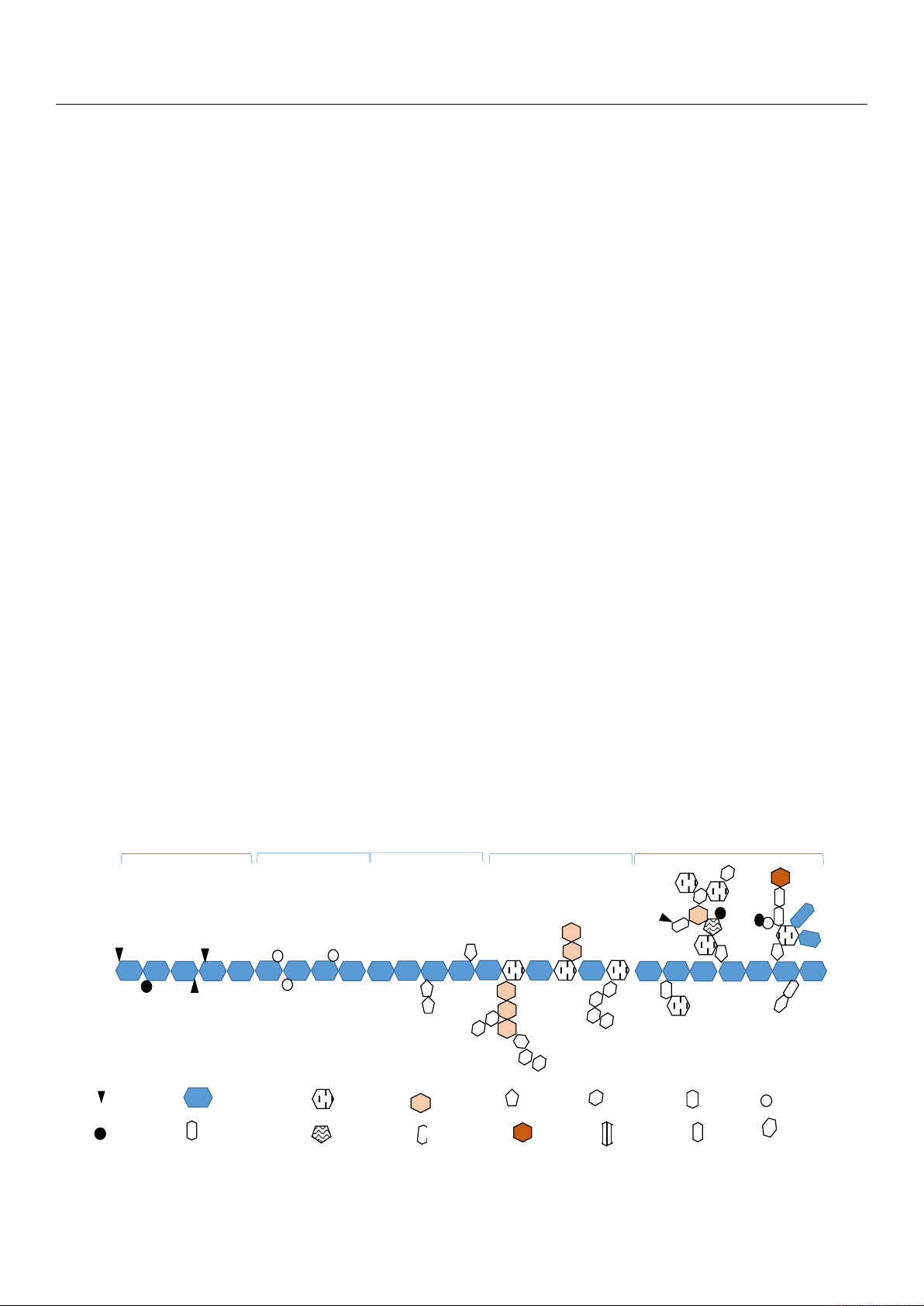
(AGA). The latter has been reported only in aquatic plants (Figure 1). In dicots, ferulates are
ester linked to arabinose and galactose residues in pectin. On the backbone, a proportion
of the carboxyl groups can be methyl esterified, while a certain number of short chains
composed of galactose (Galp), arabinose (Ara), xylose, and glucuronic acid (GlcpA) might
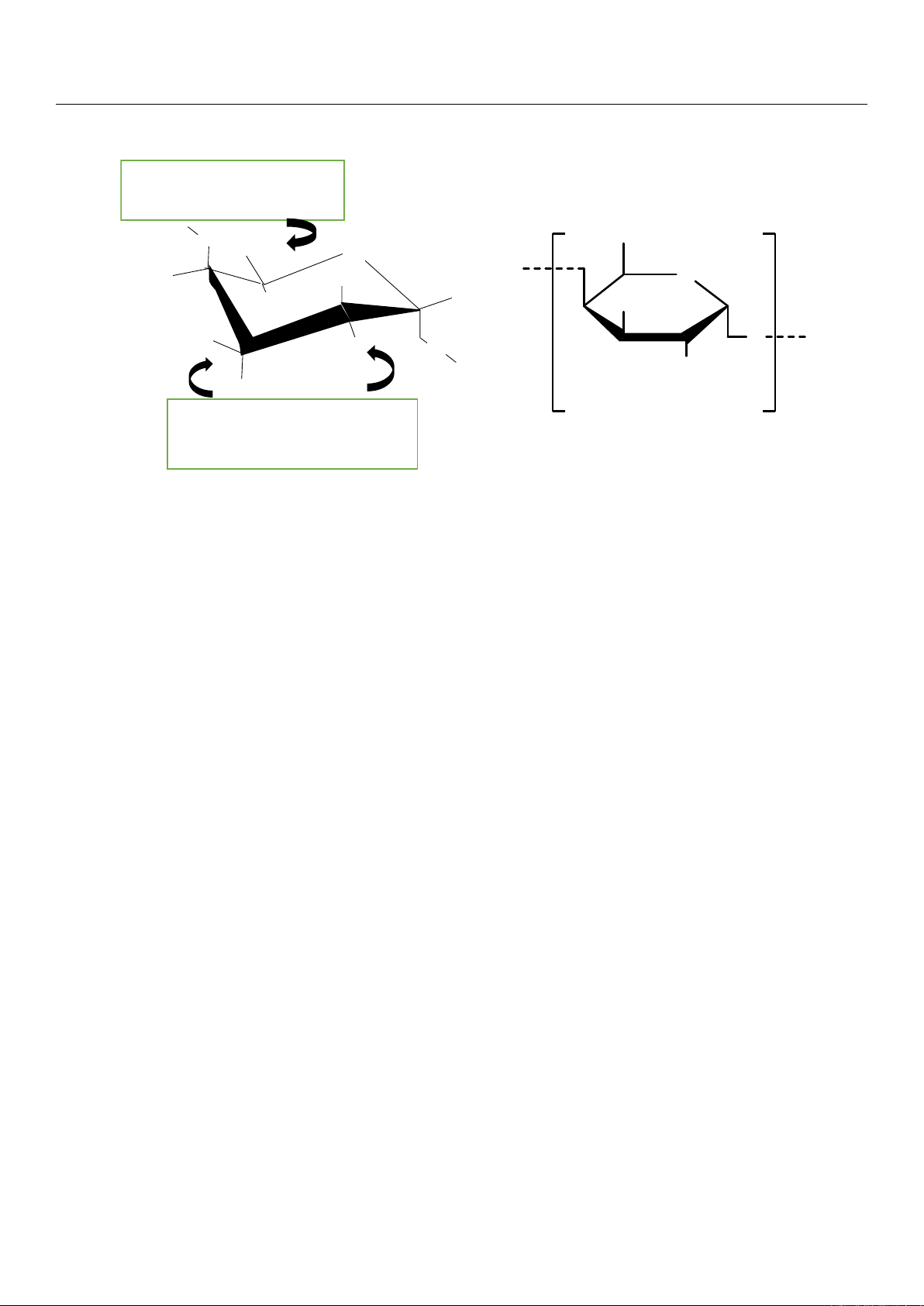
be present as side chains (hairy regions). Acetyl groups can esterify GalpA at C2 and/or
C3 positions, giving a degree of acetylation (DAC) (especially in sunflower or beet pectins)
(Figure 2). Mono- or divalent ions can neutralize carboxylic groups of pectins. The pectic
chains, in a solid state or solution, have a helical conformation [6,14].
Appl. Sci. 2021, 11, x FOR PEER REVIEW 3 of 25
Figure 1. Pectin structure [15,16].
Figure 2. Substitution of galacturonic acid [17].
2.1.1. Homogalacturonan
Partially C-6 carboxylated and O-2 or O-3 acetylated HGs are the most abundant
forms in pectin [2,18] as they represent between 57% to 70% of them [19]. The methyl
esterification of the homogalacturonan regions partly determines the extent of industrial
applications of pectins and their capacity for interaction [20]. This methyl esterification
corresponds to the degree of methylation (DM) as a percentage. HGs form the smooth
zone of pectins.
2.1.2. Rhamnogalacturonan I
RG-I (Figure 1) is a region that makes up 7–14% of the pectin and is made up of al-
ternating GalpA and Rha. Interruption of the galacturonan backbone by L-Rha, forming a
(1,4)-α-D-galacturonic acid-(1,2)-α-L-rhamnose repeating unit, forms the backbone of
rhamnogalacturonan I [21]. Twenty to eighty percent of L-Rha present in this region is
substituted by Galp or Ara at the C-4 position. The GalpA residues from this region can
also be methylated or acetylated but at a lower frequency compared with homogalac-
turonan regions [14,19]. In some plants (beetroot, spinach, etc.), the side chains can be
substituted by phenolic acids (ferulic or coumaric acids) esterifying the alcohol functions
in position 6 of galactose residues or in position 2 of arabinoses [22].
D-Glucose
Kdo = ketodeoxyoctonic acid Dha= 3-deoxy-D-lyxo-2-heptulosaric acid
Methyl ester Galacturonic acid
Acetyl
Xylose
Rhamnose D-Galactose Apiose Arabinose Kdo
Aceric acid Dha
Fucose
Glucuronic acid L-Galactose
Homogalacturonan Xylogalacturonan Rhamnogalacturonan I
Apiogalacturonan Rhamnogalacturonan II
L-Galactose
HO
HO
H
H
H
H
COOH
O
O
O
Esterification= CO-OCH
3
Glycosylation by
oligosaccharidic short chains
Esterification=CO-OCH
3
Amidation= CO-NH
2
H
O
OH
OH
COO
O
n
Figure 1. Pectin structure [15,16].
Appl. Sci. 2021,11, 6596 3 of 25
Appl. Sci. 2021, 11, x FOR PEER REVIEW 3 of 25
Figure 1. Pectin structure [15,16].
Figure 2. Substitution of galacturonic acid [17].
2.1.1. Homogalacturonan
Partially C-6 carboxylated and O-2 or O-3 acetylated HGs are the most abundant
forms in pectin [2,18] as they represent between 57% to 70% of them [19]. The methyl
esterification of the homogalacturonan regions partly determines the extent of industrial
applications of pectins and their capacity for interaction [20]. This methyl esterification
corresponds to the degree of methylation (DM) as a percentage. HGs form the smooth
zone of pectins.
2.1.2. Rhamnogalacturonan I
RG-I (Figure 1) is a region that makes up 7–14% of the pectin and is made up of al-
ternating GalpA and Rha. Interruption of the galacturonan backbone by L-Rha, forming a
(1,4)-α-D-galacturonic acid-(1,2)-α-L-rhamnose repeating unit, forms the backbone of
rhamnogalacturonan I [21]. Twenty to eighty percent of L-Rha present in this region is
substituted by Galp or Ara at the C-4 position. The GalpA residues from this region can
also be methylated or acetylated but at a lower frequency compared with homogalac-
turonan regions [14,19]. In some plants (beetroot, spinach, etc.), the side chains can be
substituted by phenolic acids (ferulic or coumaric acids) esterifying the alcohol functions
in position 6 of galactose residues or in position 2 of arabinoses [22].
D-Glucose
Kdo = ketodeoxyoctonic acid Dha= 3-deoxy-D-lyxo-2-heptulosaric acid
Methyl ester Galacturonic acid
Acetyl
Xylose
Rhamnose D-Galactose Apiose Arabinose Kdo
Aceric acid Dha
Fucose
Glucuronic acid L-Galactose
Homogalacturonan Xylogalacturonan Rhamnogalacturonan I
Apiogalacturonan Rhamnogalacturonan II
L-Galactose
HO
HO
H
H
H
H
COOH
O
O
O
Esterification= CO-OCH
3
Glycosylation by
oligosaccharidic short chains
Esterification=CO-OCH
3
Amidation= CO-NH
2
H
O
OH
OH
COO
O
n
Figure 2. Substitution of galacturonic acid [17].
2.1.1. Homogalacturonan
Partially C-6 carboxylated and O-2 or O-3 acetylated HGs are the most abundant
forms in pectin [
2
,
18
] as they represent between 57% to 70% of them [
19
]. The methyl
esterification of the homogalacturonan regions partly determines the extent of industrial
applications of pectins and their capacity for interaction [
20
]. This methyl esterification
corresponds to the degree of methylation (DM) as a percentage. HGs form the smooth zone
of pectins.
2.1.2. Rhamnogalacturonan I
RG-I (Figure 1) is a region that makes up 7–14% of the pectin and is made up of
alternating GalpA and Rha. Interruption of the galacturonan backbone by L-Rha, forming
a (1,4)-
α
-D-galacturonic acid-(1,2)-
α
-L-rhamnose repeating unit, forms the backbone of
rhamnogalacturonan I [
21
]. Twenty to eighty percent of L-Rha present in this region is
substituted by Galpor Ara at the C-4 position. The GalpA residues from this region can also
be methylated or acetylated but at a lower frequency compared with homogalacturonan
regions [
14
,
19
]. In some plants (beetroot, spinach, etc.), the side chains can be substituted
by phenolic acids (ferulic or coumaric acids) esterifying the alcohol functions in position 6
of galactose residues or in position 2 of arabinoses [22].
2.1.3. Rhamnogalacturonan II
RG-II (Figure 1) is a substituted galacturonan representing 10 to 11% of the pectin
and whose complex structure is highly conserved in plant species [
19
]. RG-II exists in
primary walls as a dimer covalently cross-linked by a borate diester. It comprises at least
eight galacturonic acids linked in 1–4 and constituting the main chain, onto which four
different glycosidic complexes are grafted. These glycosidic complexes are composed
of arabinofuranose, arabinopyranose, glucopyranose, fucopyranose, apiofuranose, galac-
topyranose, and other unusual sugars such as 3-deoxy-D-lyxo-2-heptulosaric acid (Dha),
ketodeoxyoctonic acid (Kdo), and aceric acid. They also contain rare methylated sugars
such as 2-O-methylxylose and 2-O-methylfucose [23].
2.1.4. Xylogalacturonan and Apiogalacturonan
Xygolacturoanan and apiogalacturonan are regions found to be much less complex
(Figure 1). They have a homogalacturonan structure substituted with xylose for xylogalac-
turonan and monosaccharide or disaccharide apiofuranosyl for apiogalacturonan [23].
Appl. Sci. 2021,11, 6596 4 of 25
The pectin extracted from unconventional resources such as watermelon rind is mainly
composed of linear HG chains (71.8%) with a high degree of esterification and the RG-I
(25.8%) region is substituted with short chains of
β
-(1–4) galactans. Its monosaccharide
composition consists of galacturonic acid (74%), galactose (20.2%), rhamnose (2.4%), glu-
cose (1.4%), arabinose (0.7%), xylose (0.5%), mannose (0.4%), and fucose (0.2%) [6].
2.2. Structure Classification
2.2.1. Degree of Methylation
Pectins can be classified according to their degree of methylation (DM) [
1
] expressed
as a percentage, which corresponds to the number of methylated carboxylic functions per
100 units of galacturonic acid in the main chain. According to their degree of methylation,
a distinction is made between:
•
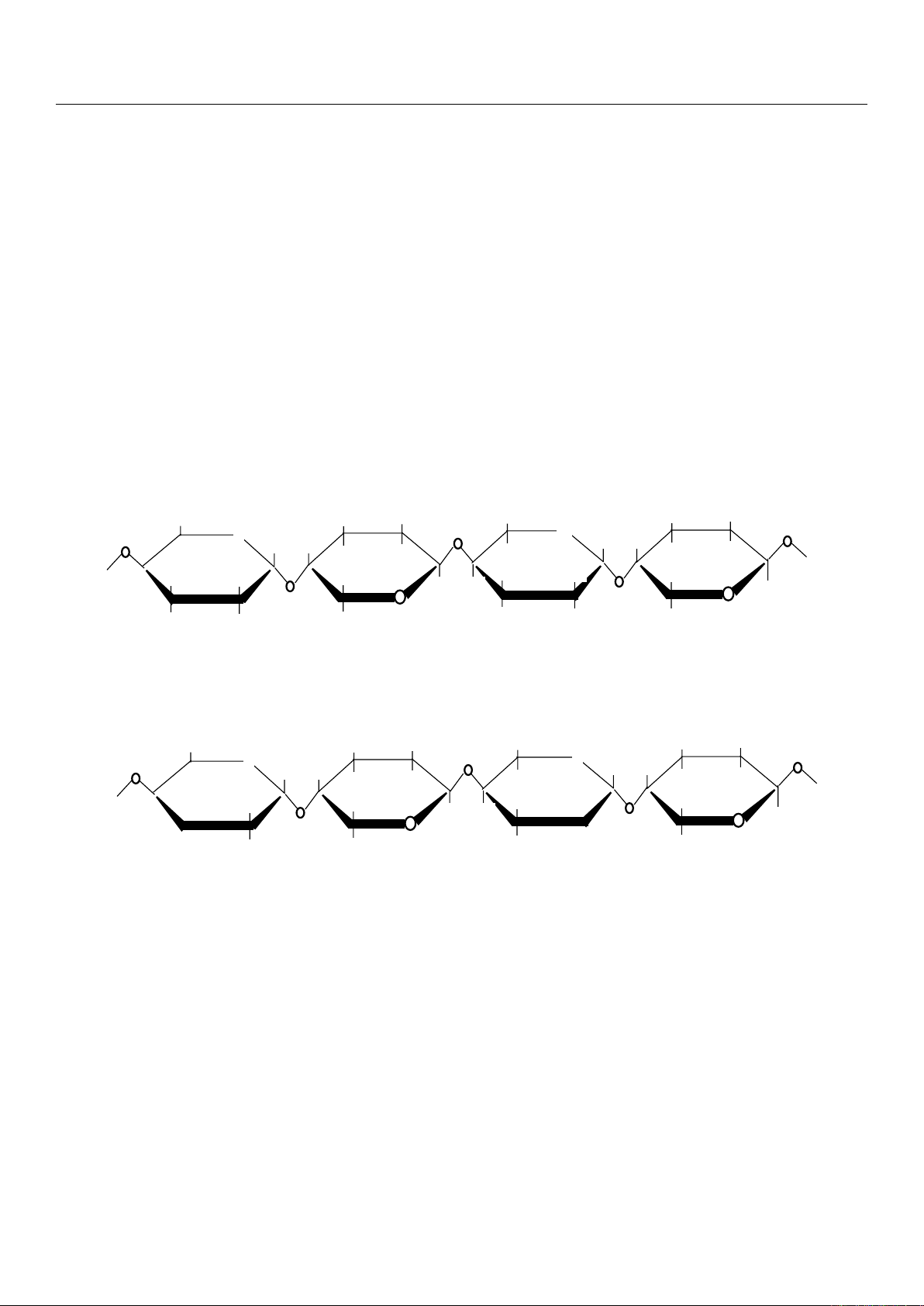
High-methoxyl (HM) pectin (Figure 3A) with a DM > 50%, mostly present in nature
as native pectin.
•
Low-methoxyl (LM) pectin (Figure 3B) with a DM < 50%. This LM pectin is only
obtained after demethylation by enzymatic (methylesterases) or alkaline treatments of
HM pectin. There are also several unconventional sources of low-methoxy pectin.
Appl. Sci. 2021, 11, x FOR PEER REVIEW 4 of 25
2.1.3. Rhamnogalacturonan II
RG-II (Figure 1) is a substituted galacturonan representing 10 to 11% of the pectin
and whose complex structure is highly conserved in plant species [19]. RG-II exists in pri-
mary walls as a dimer covalently cross-linked by a borate diester. It comprises at least
eight galacturonic acids linked in 1–4 and constituting the main chain, onto which four
different glycosidic complexes are grafted. These glycosidic complexes are composed of
arabinofuranose, arabinopyranose, glucopyranose, fucopyranose, apiofuranose, galacto-
pyranose, and other unusual sugars such as 3-deoxy-D-lyxo-2-heptulosaric acid (Dha),
ketodeoxyoctonic acid (Kdo), and aceric acid. They also contain rare methylated sugars
such as 2-O-methylxylose and 2-O-methylfucose [23].
2.1.4. Xylogalacturonan and Apiogalacturonan
Xygolacturoanan and apiogalacturonan are regions found to be much less complex
(Figure 1). They have a homogalacturonan structure substituted with xylose for xylogalac-
turonan and monosaccharide or disaccharide apiofuranosyl for apiogalacturonan [23].
The pectin extracted from unconventional resources such as watermelon rind is
mainly composed of linear HG chains (71.8%) with a high degree of esterification and the
RG-I (25.8%) region is substituted with short chains of β-(1–4) galactans. Its monosaccha-
ride composition consists of galacturonic acid (74%), galactose (20.2%), rhamnose (2.4%),
glucose (1.4%), arabinose (0.7%), xylose (0.5%), mannose (0.4%), and fucose (0.2%) [6].
2.2. Structure Classification
2.2.1. Degree of Methylation
Pectins can be classified according to their degree of methylation (DM) [1] expressed
as a percentage, which corresponds to the number of methylated carboxylic functions per
100 units of galacturonic acid in the main chain. According to their degree of methylation,
a distinction is made between:
• High-methoxyl (HM) pectin (Figure 3A) with a DM > 50%, mostly present in nature
as native pectin.
• Low-methoxyl (LM) pectin (Figure 3B) with a DM < 50%. This LM pectin is only ob-
tained after demethylation by enzymatic (methylesterases) or alkaline treatments of
HM pectin . There are also several unconventional sources of low-methoxy pectin.
Figure 3. Partially methylated galacturonans. (A) Low-methoxyl and (B) high-methoxyl pectin
structures [11].
The methoxyl content reflects the dispersibility of pectin in water and its ability to
form a hydrogel [24]. Low- and high-methoxyl pectins have different physico-chemical
HH
COOCH3
O
OH
H
H
OH
OH
H
COOH
H
O
OH
COOCH3
H
OH
H
H
HH
H
OH
OH
H
H
COOCH3
H
H H
COOH
O
OH
H
H
OH
OH
H
COOH
H
O
OH
COOCH3
OH
H
H
H
H H
H
OH
OH
H
H
COOH
H
H
OH
H
OH
A
B
Figure 3. Partially methylated galacturonans. (A) Low-methoxyl and (B) high-methoxyl pectin structures [11].
The methoxyl content reflects the dispersibility of pectin in water and its ability to
form a hydrogel [
24
]. Low- and high-methoxyl pectins have different physico-chemical
properties and thus diverse applications. The degree of methylation of the extracted
pectin depends on the type of plant, its age, and degree of maturation (notably for fruits).
Therefore, pectins from fruits do not have the same degree of methylation. Pectins with a
low degree of methylation form gels in the presence of calcium ions whereas those with a
high degree of methylation gellify with the addition of different sugars, such as sucrose,
under acidic conditions [10,25]. The extraction methods affect the structure of pectin.
2.2.2. Degrees of Acetylation and Amidation
The degree of acetylation (DAC) is defined as the percentage of galacturonosyl residues
esterified (on the hydroxyl group) with acetyl (Figure 1). Acetylation prevents gel formation
but increases the stabilizing and emulsifying effects of pectins [
26
–
28
]. The presence of
multiple acetyl groups on sugar beet pectin gives it a surfactant behavior that can be used
to stabilize emulsions [
29
,
30
]. Pectins having a high degree of acetylation (DAC up to 25%)
do not have good gelling properties [11].

Appl. Sci. 2021,11, 6596 5 of 25
Amidated pectins are synthetized through the reaction of pectin carboxymethyl groups
(-COOCH
3
) with ammonia [
31
,
32
]. The degree of amidation (DA) is the percentage of
carboxylic groups in the amide form. It mainly concerns weakly low-methoxy amidated
pectin (LMAP). The amidation of pectin enables it to withstand more calcium variation
and be more thermoreversible [31]. It also increases the water solubility of pectins [32].
3. Pectin Extraction Methods
Extraction of pectin is governed by mass transfer into the process medium and thus
the suitability of the extraction method can be assessed by the yield and quality of extracted
pectins [
2
]. The pectin in the cell wall is insoluble and is called “protopectin”. Its extraction
begins by hydrolysis of the protopectin with a hot diluted mineral acid. The bonds between
the sugars on the side chains and the cell wall are broken and the pectin is released into the
aqueous medium [
33
]. The pectin is then concentrated and separated in various ways and
finally dried (Figure 4).
3.1. Traditional Methods for the Pectin Extraction
In industry, pectin extraction is generally performed using strong acid solutions such
as nitric, sulfuric, phosphoric, and hydrochloric acids, under heating [
34
]. Conventional
pectin extraction takes several hours to obtain a good yield using boiling water [
35
,
36
].
During the long heating process, the thermal degradation of pectins by beta-elimination and
debranching leads to low-quality pectins. Therefore, pectin is extracted in acidic aqueous
medium (pH 1.5–3) between 75 and 100
◦
C for 1–3 h with continuous stirring. In pectin
extraction, the use of mineral acids has been related to environmental issues and increased
costs. With regard to the emerging concept of “green chemistry” and “green technology”,
the focus is now shifting to organic acids (acetic and citric acids). Organic acids possess
lower hydrolysis abilities compared to mineral ones [
2
]. Conventional extraction depends
on several factors, such as temperature, pH, solvent properties, solid to solvent ratio,
particle size, and diffusion rate [1]. After pretreatments of washing with water, blanching
with hot water to inactivate enzymes, drying to remove water, and grinding to increase the
exchange surface, pectin is extracted in an acidic aqueous medium and separated by alcohol
precipitation from many other materials. The coagulate obtained is then filtered to clarify
the extract, washed, dried under vacuum, and finally ground into a fine powder. Between
the filtration and washing, the extract can undergo different steps. For example, the color
of apple pectin can be removed by using activated carbon, and the residual starch can be
degraded using amylase. Additionally, chemical, acid, and/or alkaline de-esterification
can be used to obtain LM pectin. The extracted pectins generally have a DM between 55
and 75% and high molecular weights. The choice of solvent is based on several criteria,
which are: dissolving of the specific components, high capacity for the solute separated
into it, selectivity, stability, renewability, and low viscosity [
37
]. Chelating agents (CHAs),
such as oxalate, have been used for pectin extraction. The efficiency of chelating agents
for pectin extractions is impacted by the Ca
2+
content and the distribution of free acid
groups in the HG chain [
36
]. CHAs solubilize high molecular weight pectins with a high
DM [
38
]. Acidic aqueous medium with low pH stimulates protopectin hydrolysis and
solubility and promotes Ca
2+
and Mg
2+
removal, thus enabling higher isolated yields of HG-
enriched pectin. Alkaline-extracted pectins have usually many RG-I oligomers branched
with arabinan and galactan side chains, low DM, and low yields [
36
]. Conventional
pectin extraction using mineral acids has some important drawbacks, such as degradation
of pectin, losses of some volatile compounds, increased costs for manufacturers, and
environmental problems. Therefore, organic acids such as citric and acetic acids have
attracted considerable interest [
39
]. Although strong mineral acids are cheaper and more
effective than organic acids to extract pectin, The use of organic acid in the extraction of
pectin leads to less hydrolysis and less depolymerization of the extracted pectin than the
use of mineral acid [
1
]. Using citric acid with microwave heating provided higher DE
values than using HCl with the same method [
40
]. This might have been due to the strong











![Giáo trình Công nghệ sản xuất bánh kẹo (Nghề Chế biến thực phẩm - Trình độ trung cấp) - Trường Cao đẳng Cơ điện Hà Nội [Mới nhất]](https://cdn.tailieu.vn/images/document/thumbnail/2026/20260323/lionelmessi01/135x160/52561774426348.jpg)


![Giáo trình Hoá sinh thực phẩm - Trường Cao đẳng Cơ điện Hà Nội [Mới nhất]](https://cdn.tailieu.vn/images/document/thumbnail/2026/20260323/lionelmessi01/135x160/29921774423858.jpg)


