03/04/18
1
DINH Tien Minh
Chapter 6: Retailing Structures and
Strategies
LEARNING OBJECTIVES
Describe the types of retail structures that exist worldwide.
Explain how a retail positioning strategy flows from both
cost-side and demand- side factors.
Define the retailers positioning strategy as a set of service
outputs delivered to the market.
Recognize important trends and developments on the
consumer and channel sides that affect retail management.
Outline the power and coordination issues facing retailers
and their suppliers, as well as how suppliers respond to
retailers’ use of power to influence channel behavior.
RETAIL STRUCTURES
Retailing consists of the activities involved in selling goods
and services to ultimate consumers for their personal
consumption.
A retail sale is one in which the buyer is the ultimate
consumer, rather than a business or institutional purchaser.
A wholesale sale refers to purchases for resale or for
business, industrial, or institutional uses.
03/04/18
2
RETAIL POSITIONING STRATEGIES
Cost-Side Positioning Strategies
Demand-Side Positioning Strategies
Cost-Side Positioning Strategies
In a high-service retailing system, margins are higher, but
turnover (i.e., the number of times inventory on the shelf
turns over in a specified period, usually a year) is lower.
In low-price retailing systems, the opposite holds: low
margins, high inventory turnover, and minimal service levels.
Whether the retail strategy should emphasize the low
margins and high turnover or else seek high margins at low
turnover?
Cost-Side Positioning Strategies
Strategic profit model (SPM)
Gross margin return on inventory investment (GMROI)
Gross margin per full-time equivalent employee (GMROL)
Gross margin per square foot (GMROS)
03/04/18
3
Demand-Side Positioning Strategies
Bulk breaking
Spatial convenience
Waiting and delivery time
Product variety
Customer service
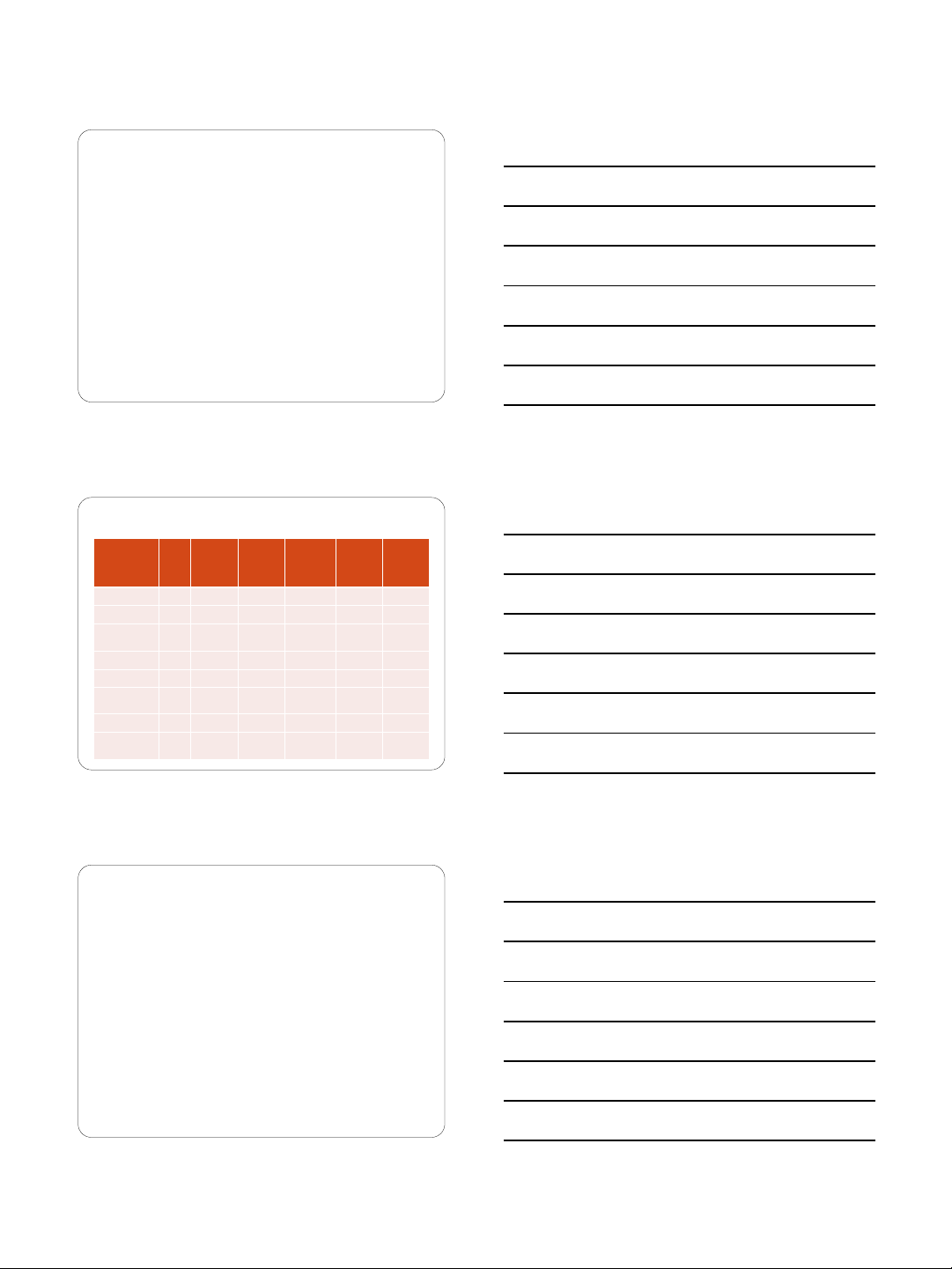
Taxonomy of Retail Positioning Strategies
Retailer Type
Main
Focus on
Margin
or
Turnover
Bulk
Breaking
Spatial
Convenience
Waiting and
Delivery Time
Variety
(Breadth)
Assortment
(Depth)
Department store (e.g.,
May Co.)
Margin
Yes Moderate Low wait time Broad
Moderate/Shall
ow
Specialty store (e.g.,
The Gap)
Margin
Yes Moderate Low wait time Narrow Deep
Mail order/catalog
(e.g., Lands' End)
Margin
Yes
Extremely high
Moderate/high
wait time Narrow Moderate
Convenience store
(e.g., 7
-Eleven)
Both
Yes Very high Low wait time Broad Shallow
Category killer (e.g.,
Best Buy)
Turnover
Yes Moderate Low wait time Narrow Deep
Mass merchandiser
(e.g., Wal
-Mart)
Turnover
Yes Low
Moderate wait
time (may be out
of stock)
Broad Shallow
Hypermarket (e.g.,
Carrefour)
Turnover
Yes Low Moderate wait
time Broad Moderate
Warehouse club (e.g.,
Sam's Club)
Turnover
No Low
Moderate/high
wait time (may be
out of stock)
Broad Shallow
MULTICHANNEL RETAIL STRATEGIES
Internet Retail Channel
Direct Selling Channel
Direct selling is defined as “the sale of a consumer product or
service in a face to face manner away from a fixed retail
location.”
Hybrid Retail Channels